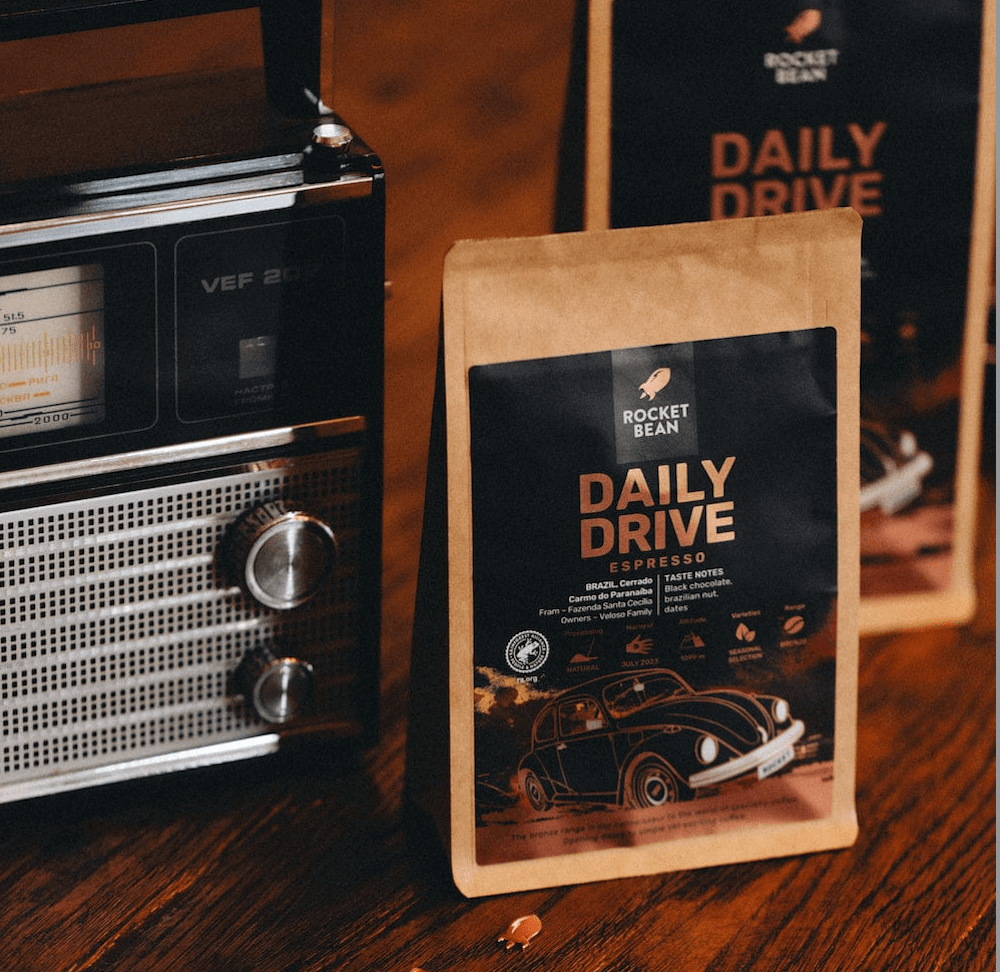
Fresh coffee beans are one of the biggest factors affecting espresso quality. Even the best espresso machine cannot produce rich crema and balanced flavor if the coffee is stale.
But many home baristas are surprised to learn that “fresh” coffee does not always mean coffee roasted yesterday.
Espresso coffee usually performs best after a short resting period following roasting. During this time, carbon dioxide levels stabilize and extraction becomes more balanced.
In this guide, we’ll explain how fresh coffee beans should be for espresso, why roast dates matter, and how freshness affects crema, flavour, and extraction.
Quick Answer: How Fresh Should Espresso Beans Be?
For most home espresso setups, coffee beans taste best between 7 and 30 days after roasting.
This usually provides:
- Better crema
- More balanced extraction
- Sweeter flavor
- Improved espresso consistency
Very fresh coffee can sometimes be unstable during extraction, while old coffee often tastes flat and lifeless.
Why Coffee Freshness Matters
After roasting, coffee beans release carbon dioxide in a process called degassing.
This gas plays an important role in espresso because it helps create:
- Crema
- Texture
- Body
- Aroma
As coffee ages, these gases slowly disappear, reducing espresso quality over time.
This is why freshly roasted coffee usually produces richer crema and more vibrant flavor.
Can Coffee Be Too Fresh?
Yes. Extremely fresh coffee can sometimes create unstable espresso extraction.
Coffee roasted only 1–3 days ago may:
- Extract unevenly
- Produce excessive crema
- Taste sharp or grassy
- Create inconsistent flow rates
Many espresso coffees perform better after resting for several days.
| Days After Roasting | Typical Espresso Performance |
|---|---|
| 1–3 Days | Very unstable extraction |
| 4–7 Days | Improving balance |
| 7–30 Days | Ideal espresso freshness |
| 30–60 Days | Gradual flavor decline |
| 60+ Days | Noticeably stale espresso |
How Old Coffee Affects Espresso
Old coffee beans usually create espresso that tastes:
- Flat
- Dull
- Dry
- Weak
- Lifeless
Stale coffee also produces:
- Less crema
- Weaker aroma
- Poor extraction consistency
If your espresso suddenly loses crema, old coffee may be the reason.
You can also read our guide about why espresso has no crema and how to fix it.
Do Different Roast Levels Age Differently?
Yes. Roast level affects how quickly coffee changes after roasting.
- Light roasted coffee usually stays stable slightly longer
- Dark roasted coffee often loses freshness faster
- Medium roasted espresso blends typically offer the best balance
Very dark oily coffee can oxidize more quickly after opening.
How to Store Espresso Beans Properly
Proper storage helps preserve espresso freshness longer.
For best results:
- Store coffee in an airtight container
- Keep beans away from heat and sunlight
- Avoid moisture exposure
- Buy smaller amounts more frequently
For daily espresso use, storing coffee at room temperature is usually best.
Should You Freeze Coffee Beans?
Freezing coffee beans can work for long-term storage, but daily opening and closing may introduce moisture and condensation.
For most home baristas:
- Room-temperature airtight storage is simplest
- Freezing works best for unopened coffee
- Avoid frequent temperature changes
Fresh Coffee and Espresso Grind Size
Fresh coffee behaves differently during extraction.
Compared to older coffee, fresh beans often require:
- Finer grind settings
- Slightly different extraction times
- More dialing-in adjustments
This is completely normal for espresso brewing.
You can also read our guide about the best grind size for espresso at home.
How Coffee Shops Handle Freshness
Most specialty coffee shops carefully manage roast dates and coffee rotation.
Many cafés:
- Use coffee within specific freshness windows
- Rest espresso blends before serving
- Adjust grinder settings daily
- Monitor extraction consistency closely
This is one reason café espresso often tastes more balanced and consistent.
Frequently Asked Questions
How fresh should coffee beans be for espresso?
Most espresso beans perform best between 7 and 30 days after roasting.
Can coffee be too fresh for espresso?
Yes. Very fresh coffee can create unstable extraction and inconsistent crema.
Do old coffee beans affect crema?
Yes. Old coffee usually produces weaker crema and flatter flavor.
Should I keep coffee in the fridge?
Usually no. Airtight room-temperature storage is better for daily espresso use.
How do I know if coffee is stale?
Stale coffee often tastes flat, dull, dry, and produces weak crema.
Final Thoughts
Freshness plays a major role in espresso quality.
For most home espresso setups, coffee tastes best after a short resting period and within about one month after roasting.
If you want sweeter espresso, richer crema, and more balanced extraction, freshly roasted coffee is one of the easiest upgrades you can make.