You make an espresso shot, look into the cup… and there’s almost no crema.
No golden foam. No rich texture. Just flat coffee.
For many home baristas, poor crema is one of the first signs that something in the espresso setup is wrong. The good news is that crema problems are usually easy to diagnose.
In most cases, weak crema is caused by old coffee beans, incorrect grind size, poor extraction, or low-quality coffee.
In this guide, we’ll explain what crema actually is, why espresso sometimes has no crema, and how to improve espresso quality at home.
What Is Crema?
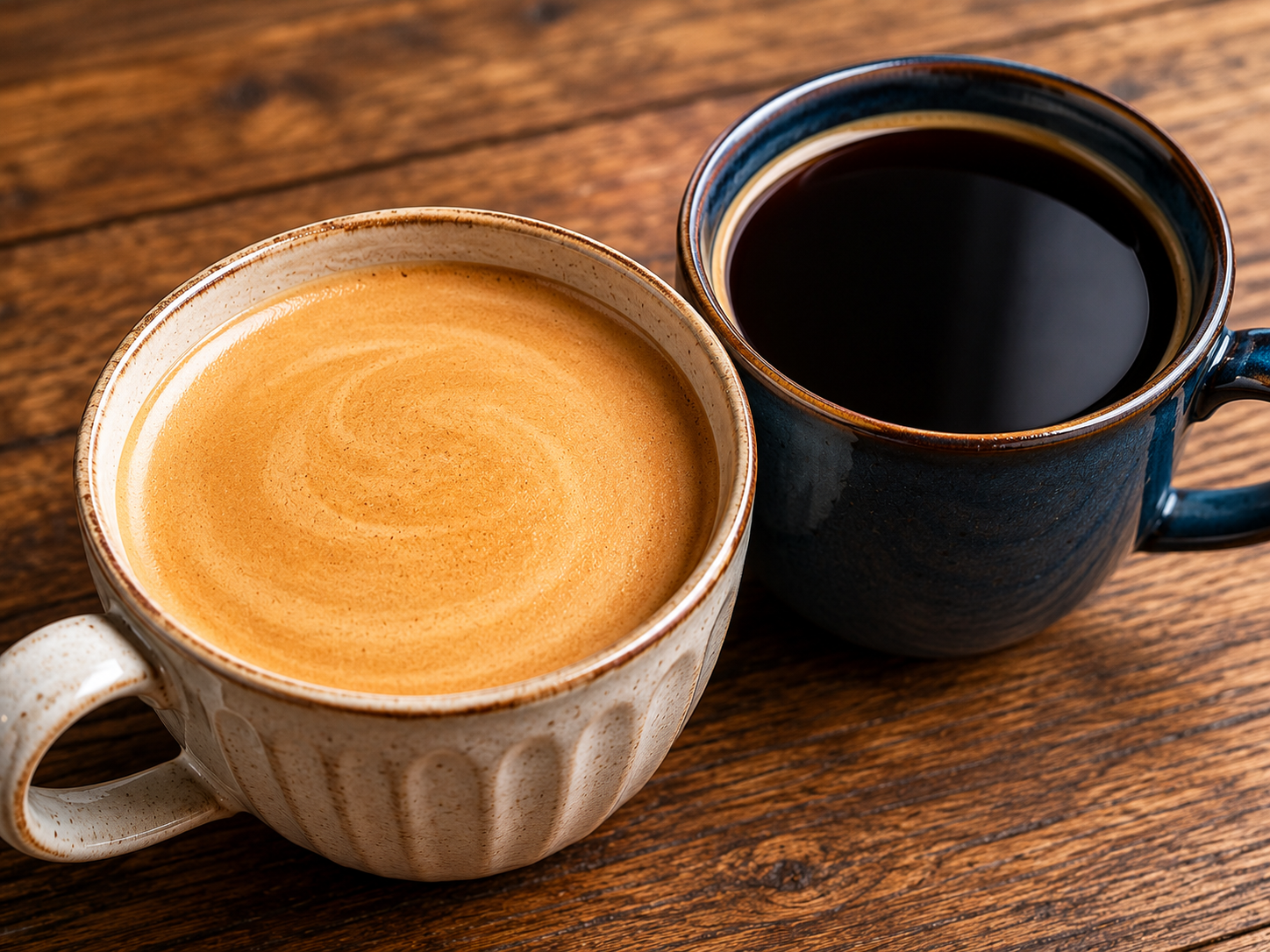
Crema is the golden-brown foam that forms on top of espresso during extraction.
It is created when hot water under pressure emulsifies coffee oils and releases carbon dioxide trapped inside freshly roasted coffee beans.
Good crema usually indicates:
- Fresh coffee beans
- Balanced espresso extraction
- Correct pressure
- Proper grind size
While crema alone does not guarantee great espresso, weak or missing crema often signals a problem in the brewing process.
Quick Answer: Why Does Espresso Have No Crema?
The most common reasons for weak or missing crema are:
- Old coffee beans
- Coffee ground too coarsely
- Under-extraction
- Low-quality coffee
- Incorrect espresso pressure
- Very light roasted coffee
Fresh coffee and proper grinder settings usually improve crema immediately.
The Biggest Problem: Old Coffee Beans
Freshness is one of the most important factors for crema.
Coffee beans naturally release gas after roasting. Over time, this gas disappears, which reduces crema during espresso extraction.
If your coffee:
- Has no roast date
- Was roasted months ago
- Comes pre-ground
- Tastes flat and lifeless
…there is a high chance freshness is the problem.
For best results, espresso beans should ideally be used within 2–6 weeks after roasting.
You can also read our guide about the best coffee beans for espresso at home.
Grind Size Affects Crema
If espresso is ground too coarsely, water flows too quickly through the coffee puck and extraction becomes weak.
This often creates:
- Thin crema
- Sour espresso
- Weak body
- Fast extraction times
Most home espresso machines perform best when extraction takes around 25–30 seconds.
If your espresso tastes acidic or thin, read our guide about why espresso tastes sour and how to fix it.
Does Coffee Type Matter?
Yes — some coffee naturally produces more crema than others.
Robusta coffee beans contain more carbon dioxide and create thicker crema compared to Arabica coffee.
| Coffee Type | Crema Production | Flavor Style |
|---|---|---|
| 100% Arabica | Moderate | Smooth and sweet |
| Arabica + Robusta Blend | High | Strong and balanced |
| High Robusta Blend | Very High | Bold and intense |
If you want thicker crema, espresso blends containing a small amount of Robusta can help significantly.
You can also read our comparison guide about Arabica vs Robusta for espresso.
Light Roast Coffee Produces Less Crema
Very light roasted specialty coffee often creates less crema than medium or dark roasted espresso blends.
This is completely normal.
Light roast coffee focuses more on:
- Acidity
- Fruitiness
- Clarity
- Complex flavor notes
Traditional Italian espresso styles usually prioritize:
- Body
- Texture
- Crema
- Intensity
Can Your Espresso Machine Cause Poor Crema?
Yes. Inconsistent pressure, poor temperature stability, or dirty equipment can negatively affect crema.
Home espresso machines like Sage, Delonghi, and Lelit usually produce very good crema when:
- Fresh coffee is used
- Grind size is correct
- Extraction is balanced
- Equipment is clean
If you use a Sage machine, you may also find our guide about the best coffee beans for Sage espresso machines helpful.
How to Improve Crema at Home
If your espresso has little or no crema, try these steps:
- Use freshly roasted coffee beans
- Grind coffee finer
- Use coffee roasted specifically for espresso
- Increase extraction time slightly
- Clean your espresso machine regularly
- Try espresso blends containing some Robusta
Small adjustments often make a dramatic difference.
Common Crema Myths
“More crema always means better espresso.”
Not necessarily. Some Robusta-heavy coffees create huge crema but may taste harsh or bitter.
“Light roast coffee is bad for espresso.”
False. Light roast espresso can taste amazing, but it usually produces less crema and requires more precise extraction.
“Crema should last forever.”
Crema naturally fades over time. Fresh espresso should be enjoyed quickly after brewing.
Frequently Asked Questions
Why does my espresso have no crema?
The most common causes are stale coffee beans, coarse grind size, or under-extraction.
Do fresh coffee beans improve crema?
Yes. Freshly roasted coffee contains more trapped gas, which helps create crema during extraction.
Does Robusta create more crema?
Yes. Robusta beans naturally produce thicker crema than Arabica beans.
Why does light roast espresso have less crema?
Light roasted coffee usually contains less surface oil and behaves differently during extraction.
What espresso roast creates the best crema?
Medium-dark espresso blends typically create the most balanced crema and body for home espresso.
Final Thoughts
Weak crema is usually a sign that something in the espresso process needs adjustment.
For most home baristas, the biggest improvements come from:
- Using fresh coffee beans
- Improving grind size
- Choosing espresso-focused coffee blends
- Maintaining proper extraction time
Once your espresso setup is properly dialed in, crema becomes much more stable and consistent.