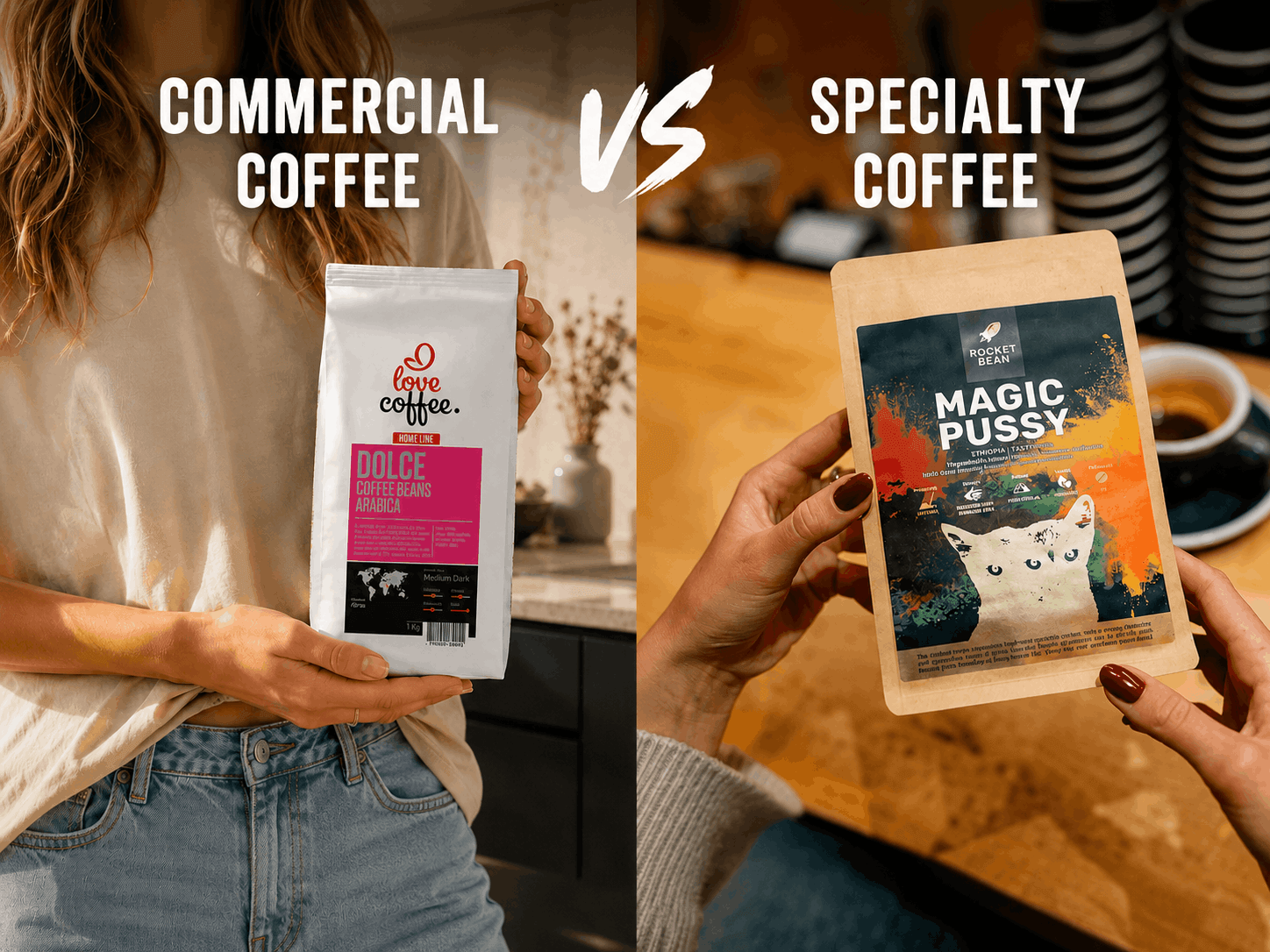
Walk into any coffee shop or browse an online coffee store, and you will likely come across the term specialty coffee. It is often associated with premium quality, unique flavours, and higher prices. But what exactly makes specialty coffee different from commercial coffee?
Is specialty coffee always better? Is commercial coffee really as bad as some coffee enthusiasts claim?
The truth is more nuanced. Both specialty and commercial coffee have their place, and understanding the differences can help you choose the coffee that best suits your taste preferences, brewing habits, and budget.
What Is Specialty Coffee?
Specialty coffee refers to coffee that meets strict quality standards throughout the entire supply chain, from cultivation and harvesting to roasting and brewing.
According to the Specialty Coffee Association, specialty coffee must score 80 points or higher on a 100-point quality scale when evaluated by certified coffee tasters.
Specialty coffee is typically characterised by:
- Carefully selected coffee cherries
- Minimal defects in the beans
- Transparent sourcing
- Traceable origin
- Precise roasting profiles
- Distinct flavour characteristics
Rather than tasting simply strong or bitter, specialty coffee often offers complex notes such as chocolate, caramel, citrus, berries, fruits, nuts, and floral aromas.
What Is Commercial Coffee?
Commercial coffee is produced on a much larger scale and is primarily designed for consistency, affordability, and mass-market appeal.
Large coffee brands typically source beans from multiple countries and blend them together to create a uniform taste profile year after year.
Commercial coffee often prioritises:
- High production volumes
- Consistent flavour
- Lower production costs
- Wide availability
- Longer shelf life
This does not necessarily mean commercial coffee is poor quality. Many well-known brands maintain strict quality control and deliver enjoyable coffee experiences for millions of consumers worldwide. Illy for example. However, flavour complexity and traceability are usually less important than consistency.
The Biggest Differences Between Specialty and Commercial Coffee
1. Bean Quality
The most significant difference lies in the quality of the raw coffee beans.
Specialty coffee producers carefully sort coffee cherries and remove defective beans. Every stage of production is closely monitored to preserve quality.
Commercial coffee often uses larger-scale harvesting methods and may allow a higher percentage of defective beans, as long as the final product remains consistent.
2. Traceability
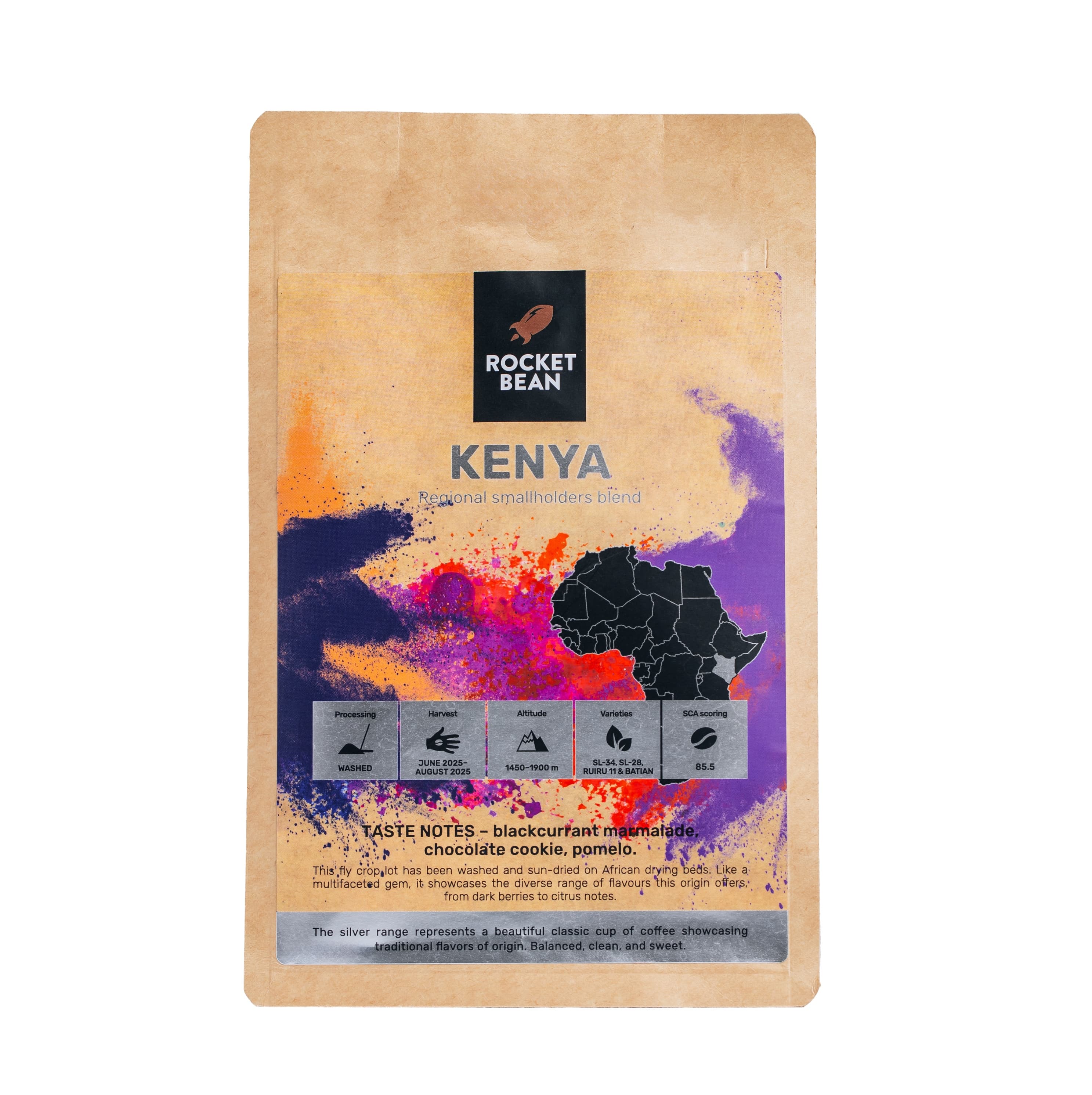
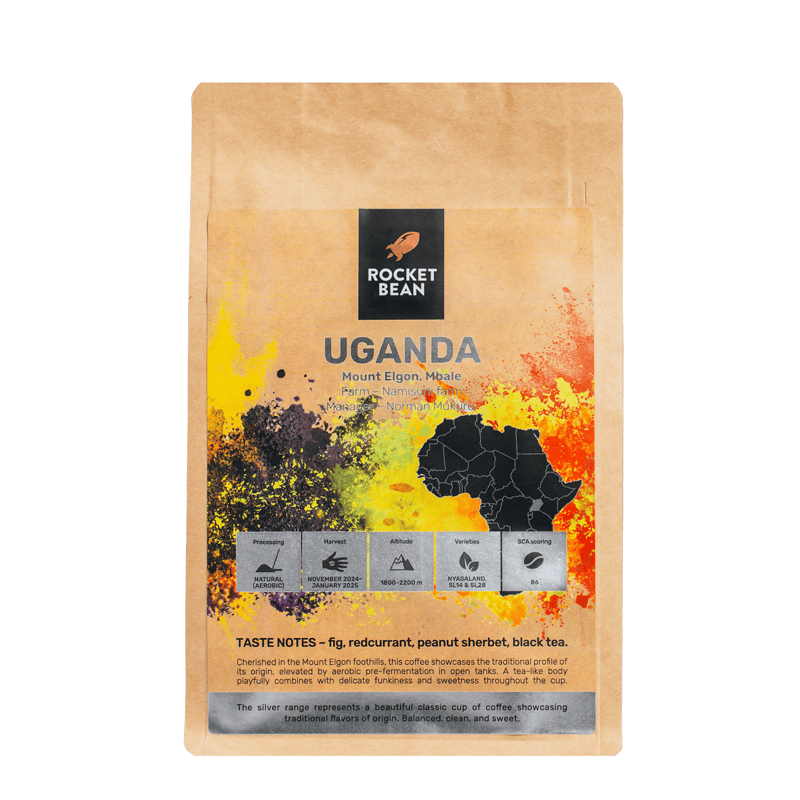
Specialty coffee roasters usually provide detailed information about the coffee's origin, including country, region, farm, producer, altitude, and processing method.
For example, a specialty coffee bag may tell you that the beans come from a specific farm in Ethiopia at 2,000 meters above sea level. Commercial coffee blends rarely provide this level of detail.
3. Roasting Style
Specialty roasters often use lighter to medium roast profiles to preserve the coffee's unique flavour characteristics.
Commercial coffee is frequently roasted darker to create a stronger and more uniform flavour profile across large production batches.
Dark roasting can mask differences between bean qualities, helping maintain consistency.
4. Flavour Experience
Specialty coffee aims to showcase origin-specific flavours. You may notice fruity sweetness, bright acidity, floral notes, and a complex aftertaste.
Commercial coffee often delivers a stronger body, chocolate-like bitterness, lower acidity, and a familiar, predictable flavour.
Neither approach is inherently right or wrong. It depends on personal preference.
5. Sustainability and Farmer Relationships
Many specialty coffee roasters work directly with producers and pay premium prices for higher-quality harvests.
This often encourages sustainable farming practices, better working conditions, and long-term producer relationships.
Commercial coffee supply chains can be more complex and less transparent, although many major brands have significantly improved their sustainability programs in recent years.
Is Specialty Coffee Always Better?
Not necessarily.
Specialty coffee may be a better choice when you enjoy exploring flavours, brew coffee manually, appreciate origin transparency, and want the highest bean quality available.
Commercial coffee may be a better fit when you prefer a stronger traditional coffee taste, value consistency above complexity, drink several cups daily, or want a more budget-friendly option.
For many coffee drinkers, the ideal solution is having both options available.
Examples You Might Recognise
The Baltic coffee market offers excellent examples of both approaches.
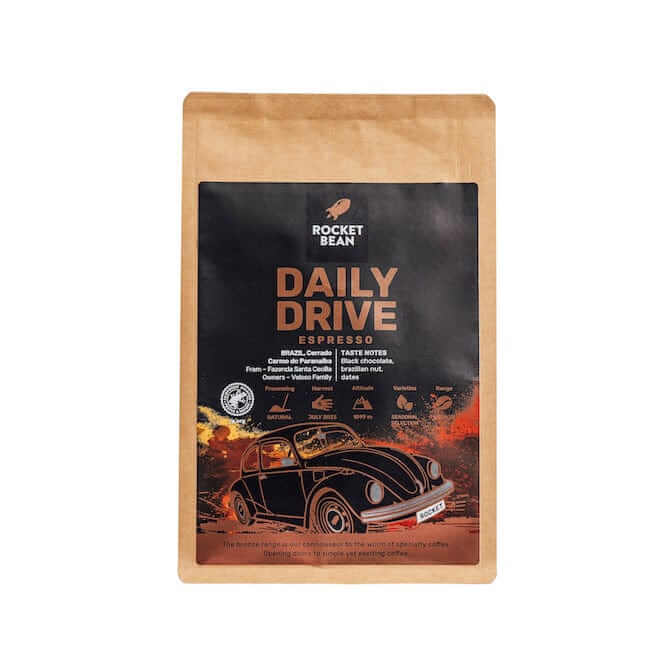
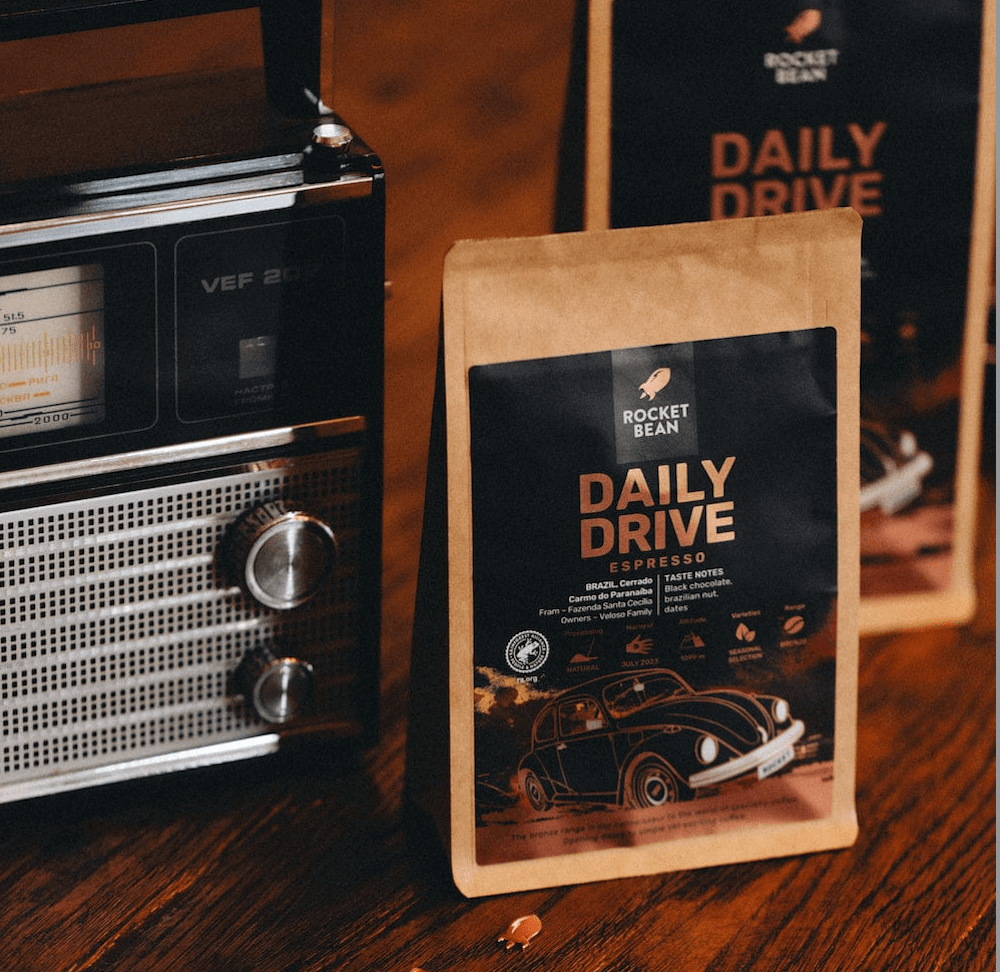
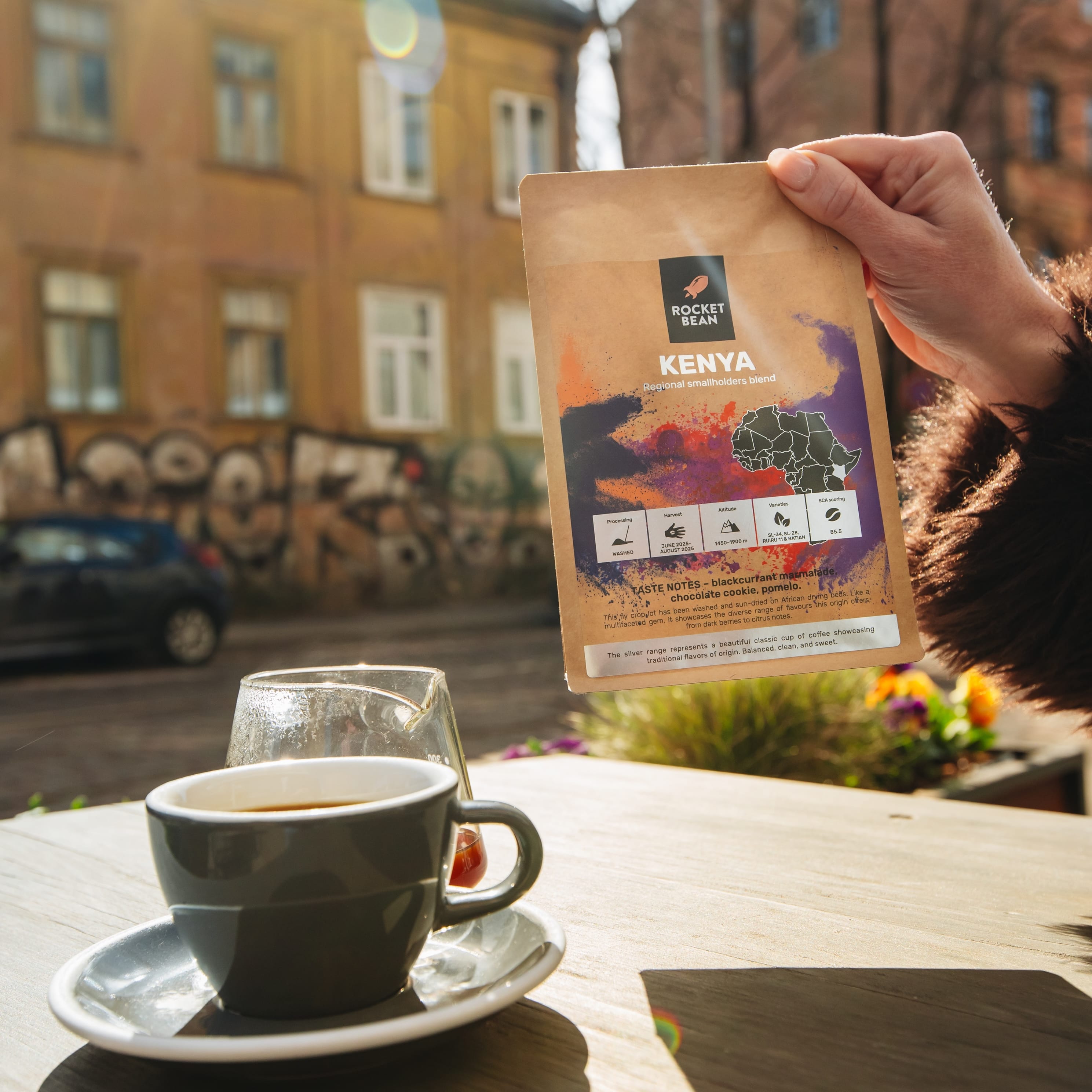
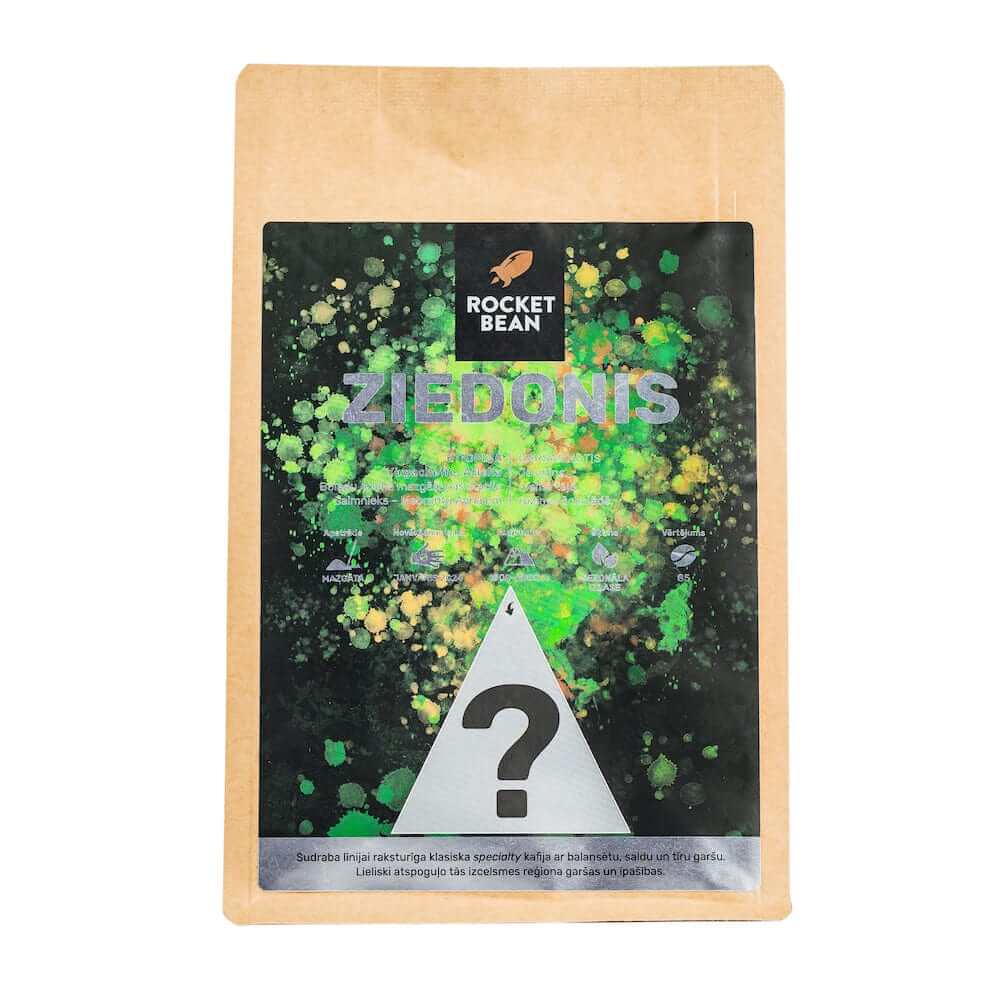
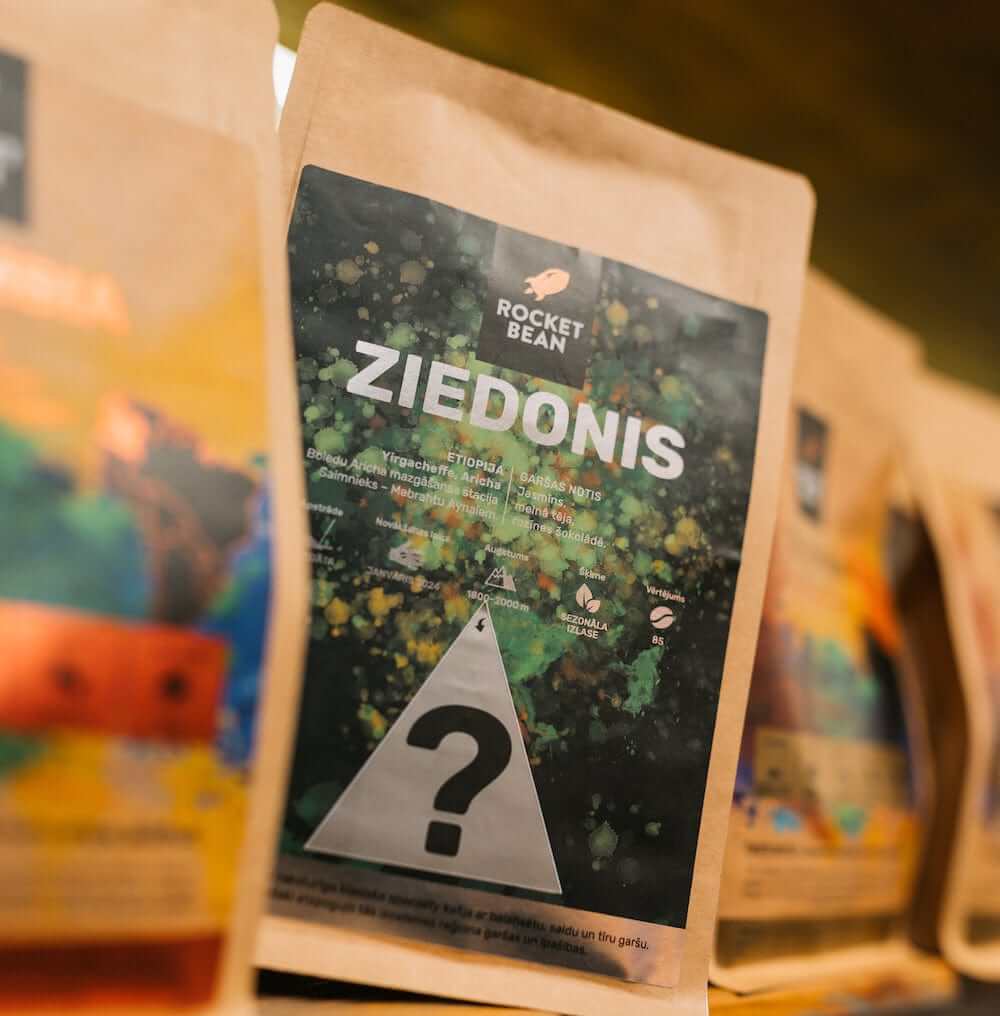
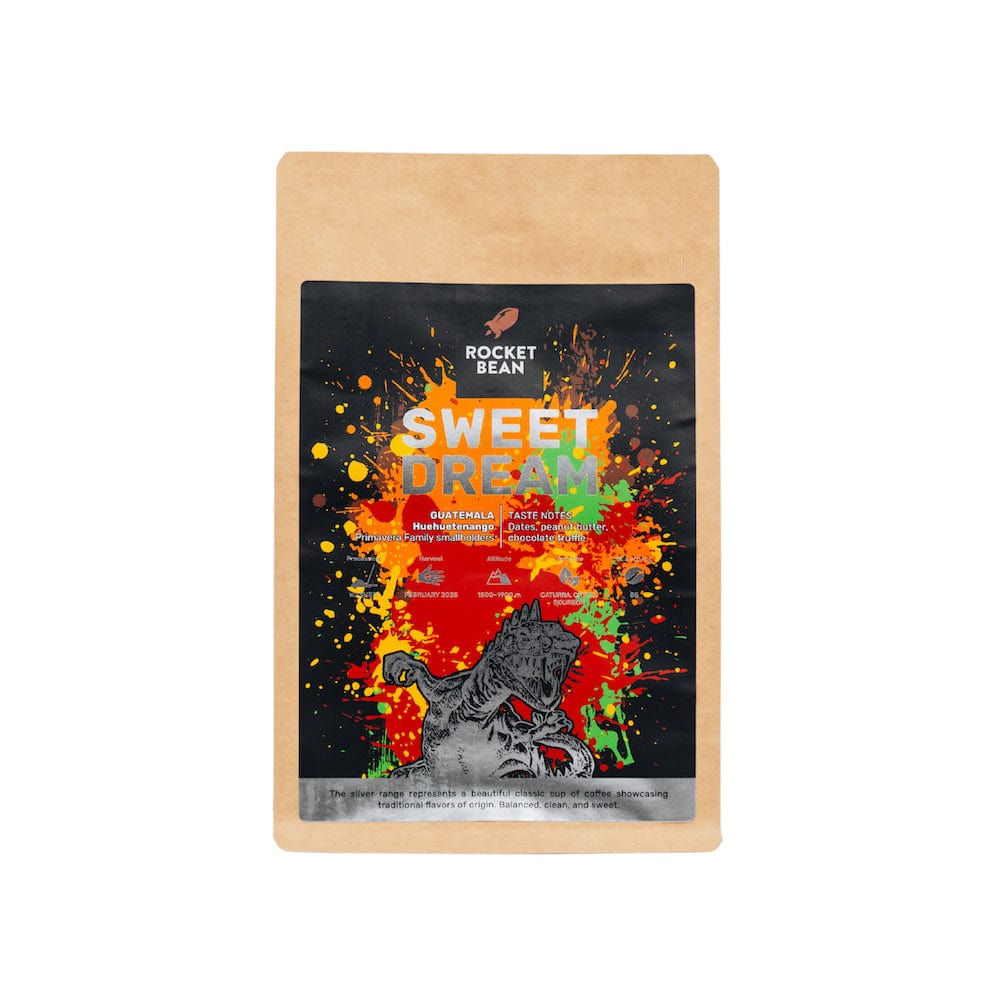
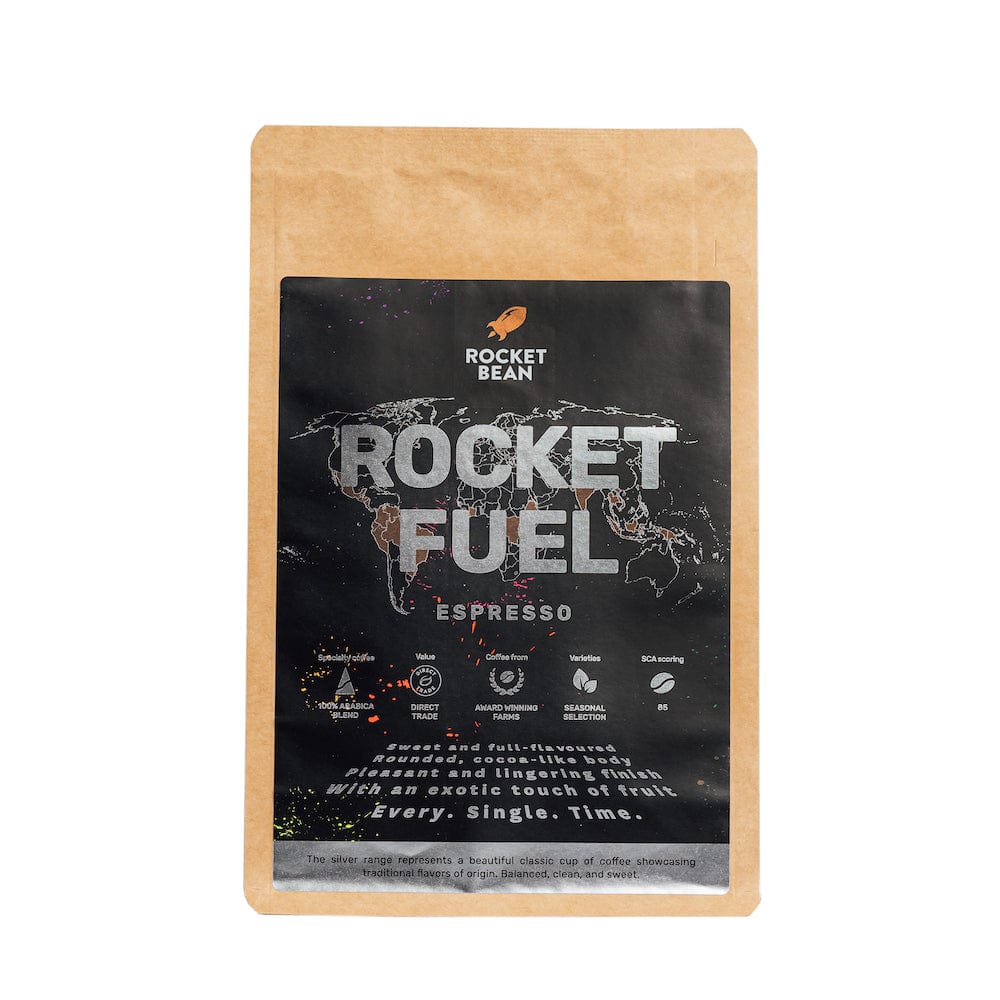
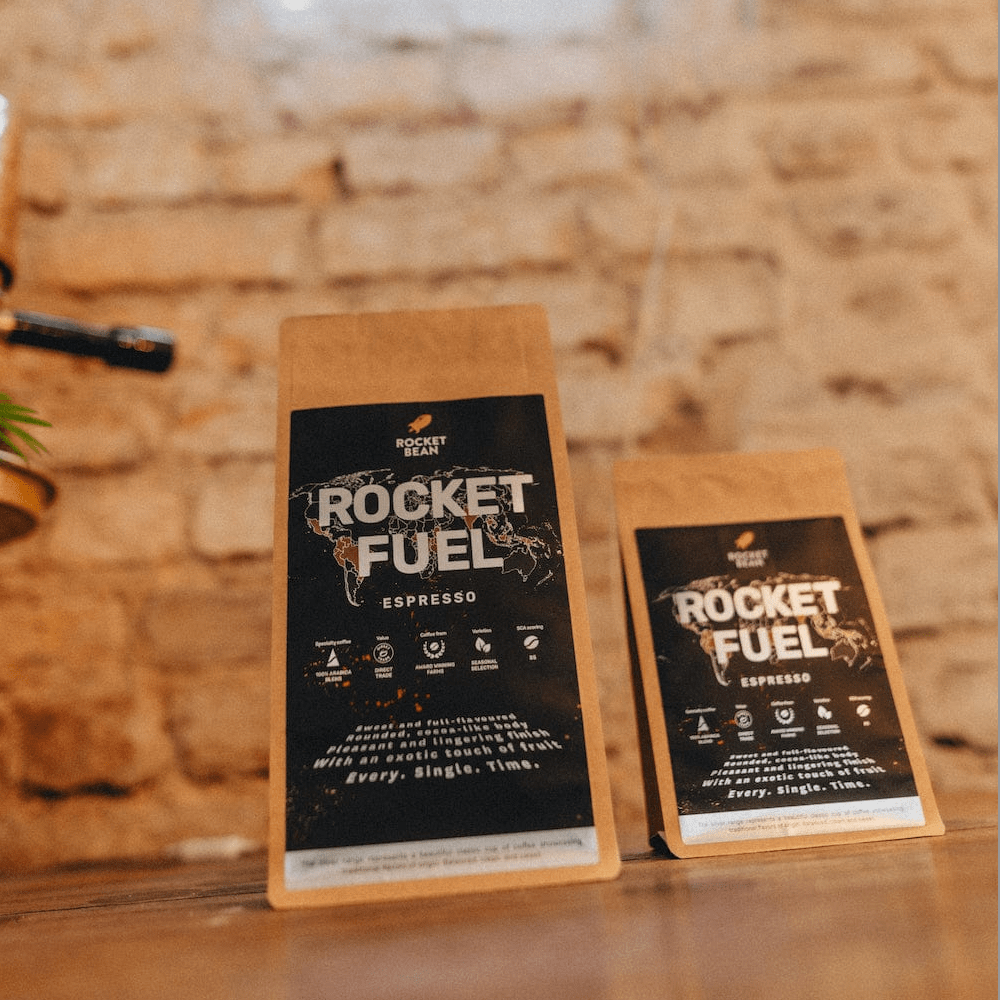
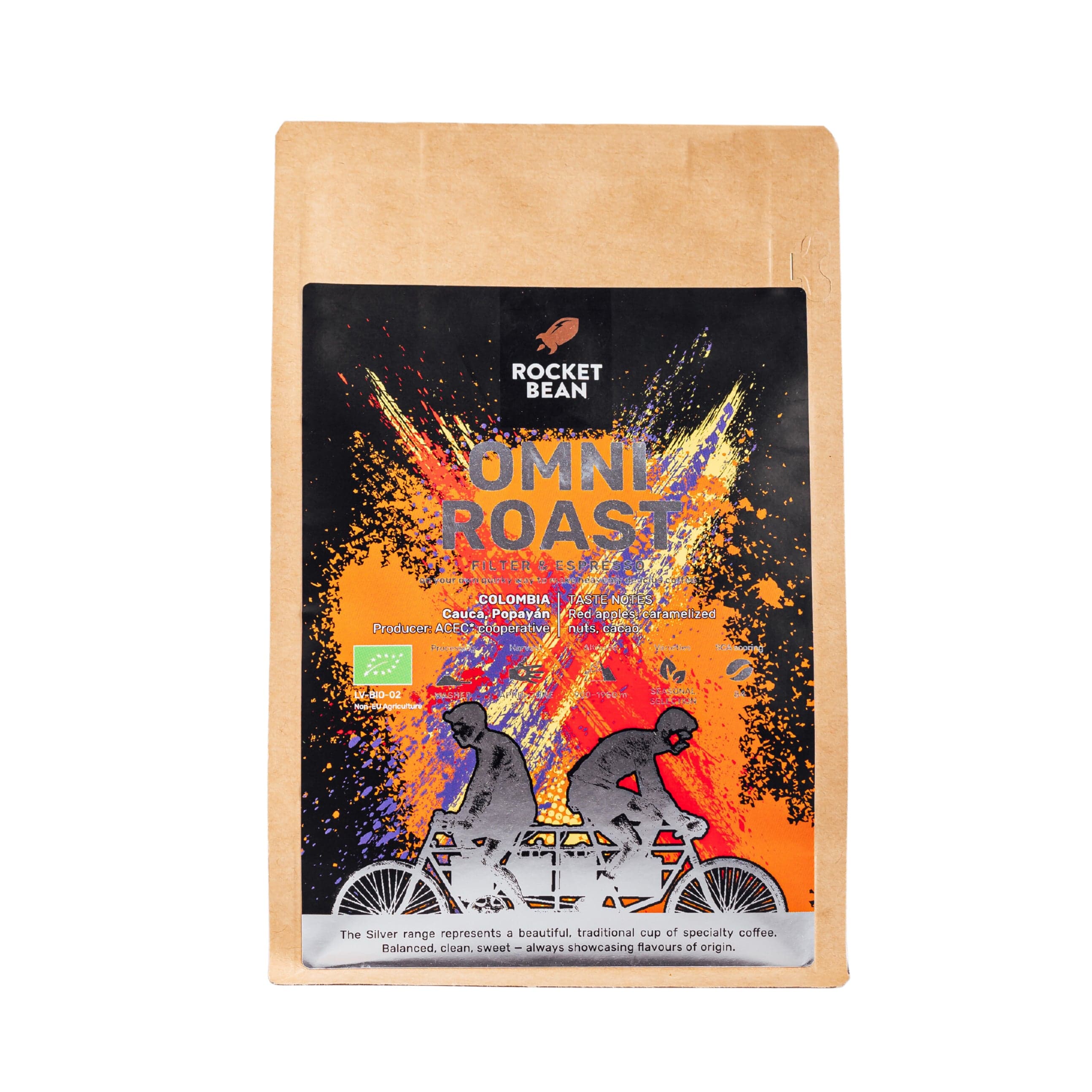
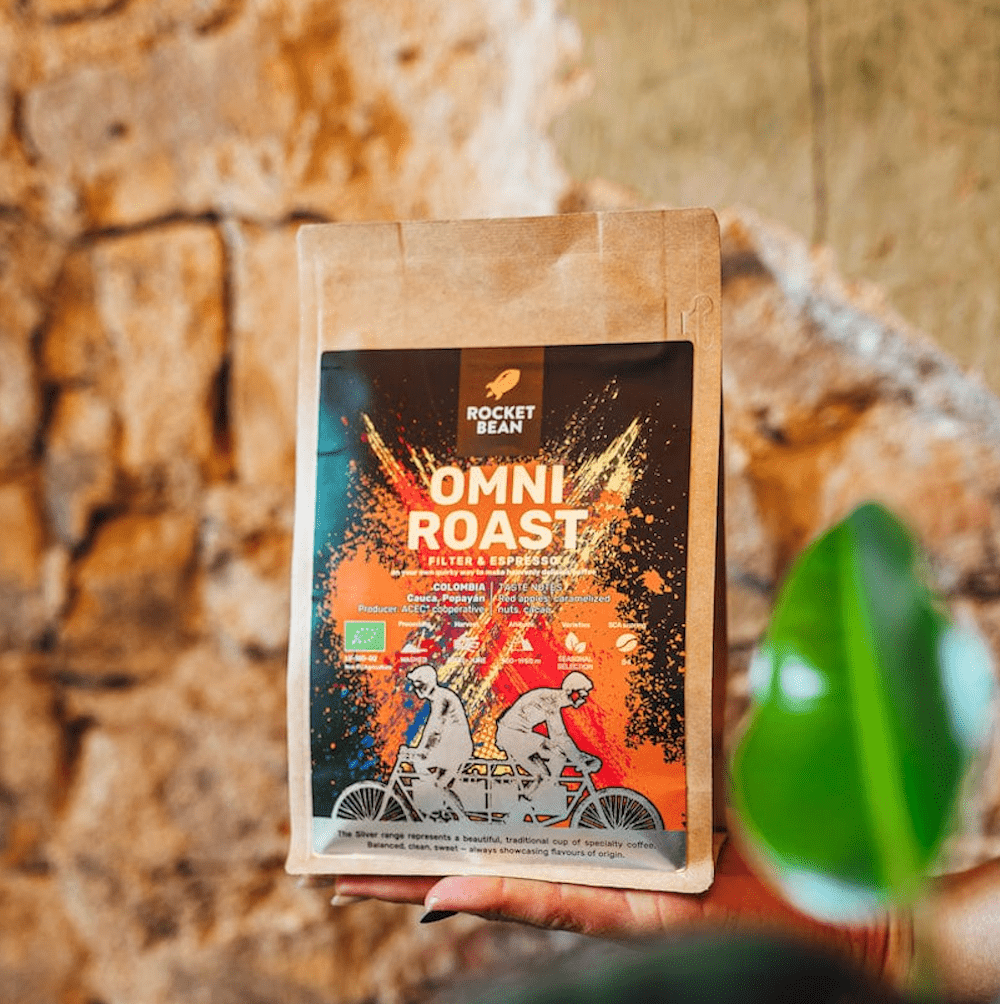
Many specialty-focused roasters, such as Rocket Bean Roastery, Kalve Coffee, and other local craft roasters, emphasise origin transparency, seasonal coffees, and distinctive flavour profiles.
On the other hand, globally recognised brands such as illy have built their reputation on delivering a remarkably consistent coffee experience. For many consumers, this reliability is exactly what they are looking for.
The choice ultimately depends on whether you prioritise exploration or consistency.
What About Coffee Machines?
Interestingly, the coffee machine you use can significantly influence your experience.
Modern bean-to-cup coffee machines, including many Kalerm coffee machines, are capable of extracting excellent results from both specialty and commercial coffees.
If you enjoy experimenting with different beans and flavour profiles, a machine that allows grind adjustment and brewing customisation can help you get the most from specialty coffee.
If convenience and consistency are your priorities, commercial coffee blends often perform exceptionally well in automatic coffee machines.
Which Coffee Should You Choose?
Choose specialty coffee if you:
- Enjoy discovering new flavours
- Like learning about coffee origins
- Brew coffee as a hobby
- Want maximum quality and traceability
Choose commercial coffee if you:
- Prefer consistency
- Want a familiar flavour profile
- Need a more budget-friendly option
- Value convenience
The good news is that there is no wrong choice. The best coffee is ultimately the one you enjoy drinking.
The debate between specialty coffee and commercial coffee often becomes unnecessarily polarised. Specialty coffee offers exceptional quality, transparency, and flavour diversity. Commercial coffee delivers consistency, accessibility, and reliability.
Rather than asking which category is objectively better, a more useful question is:
Which coffee better matches your personal taste and daily routine?
Whether you enjoy exploring single-origin Ethiopian coffees or prefer the dependable flavour of a trusted blend, understanding these differences will help you make more informed coffee choices and enjoy every cup a little more.