When shopping for coffee, you've probably come across the terms Arabica and Robusta. These are the two most common coffee species in the world, and together they account for the vast majority of coffee consumed globally.
But what exactly is the difference between Arabica and Robusta coffee? Does one taste better? Which one contains more caffeine? And why do so many specialty coffees use Arabica beans?
The answer isn't as simple as saying one is better than the other. Each coffee species has unique characteristics that influence flavour, caffeine content, growing conditions, and price.
What Are Arabica and Robusta Coffee Beans?
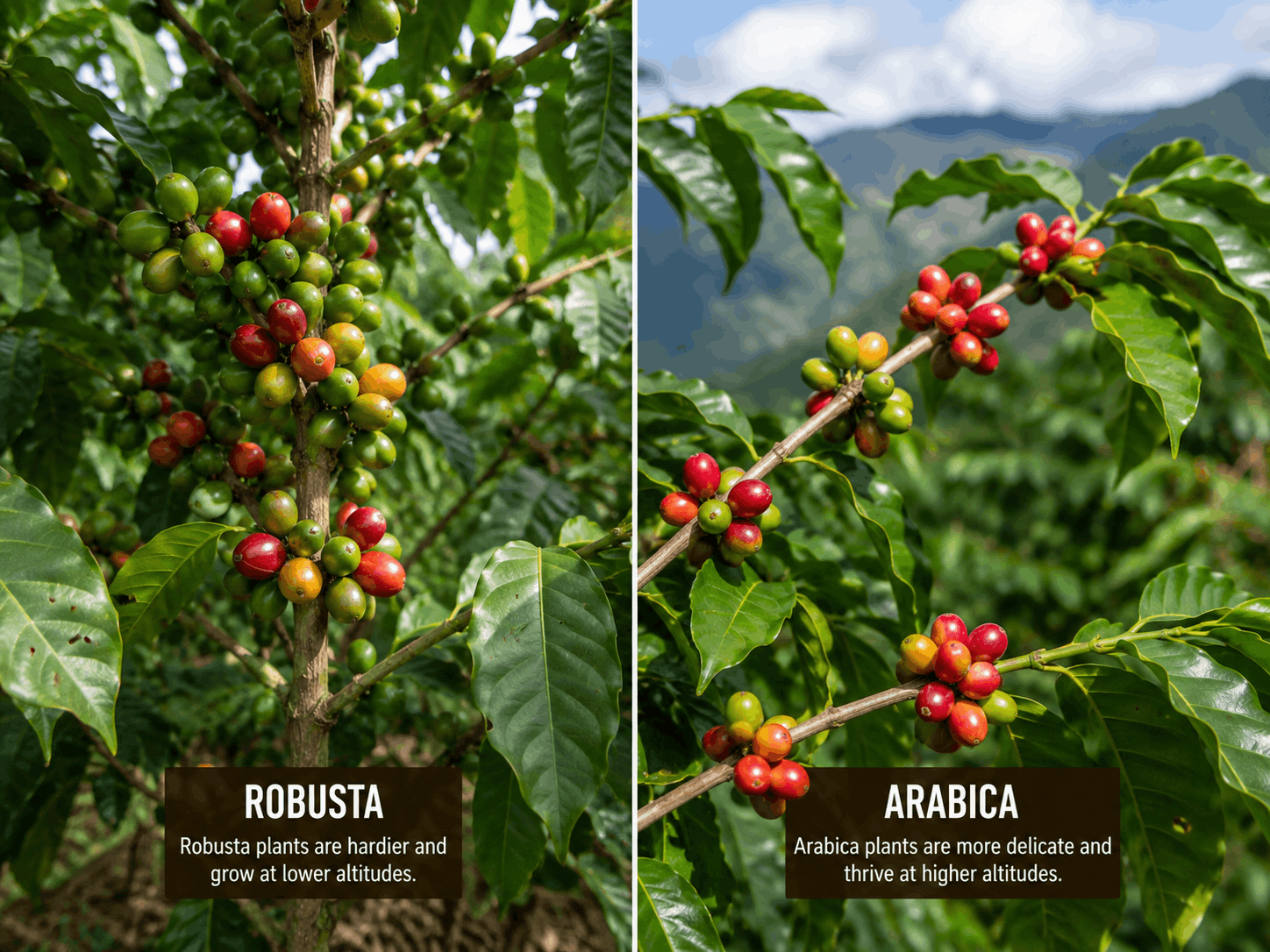
Arabica (Coffea arabica)
Arabica coffee is the most widely consumed coffee species in the world, accounting for approximately 60–70% of global coffee production.
- Smooth flavour
- Natural sweetness
- Complex aroma
- Lower caffeine content
- Higher acidity
Most specialty coffees are made from Arabica beans.
Robusta (Coffea canephora)
Robusta coffee accounts for roughly 30–40% of global coffee production.
- Stronger taste
- Higher caffeine content
- More bitterness
- Fuller body
- Better resistance to pests and disease
Robusta is often used in espresso blends and instant coffee.
Arabica vs Robusta: Quick Comparison
| Feature | Arabica | Robusta |
|---|---|---|
| Flavour | Smooth, sweet, complex | Strong, bold, bitter |
| Caffeine | Lower | Higher |
| Acidity | Higher | Lower |
| Aroma | More aromatic | Less aromatic |
| Growing Difficulty | More delicate | More resilient |
| Price | Usually higher | Usually lower |
| Specialty Coffee Use | Very common | Less common |
| Crema in Espresso | Moderate | Rich and thick |
Which Coffee Has More Caffeine?
One of the biggest differences between Arabica and Robusta is caffeine content.
Robusta typically contains almost twice as much caffeine as Arabica.
Average caffeine content:
- Arabica: 1.2-1.5%
- Robusta: 2.2-2.7%
This higher caffeine content helps Robusta plants naturally defend themselves against insects and diseases.
For coffee drinkers, it means:
- Stronger caffeine kick
- More bitterness
- Heavier mouthfeel
If your goal is maximum caffeine, Robusta usually wins.
How Do Arabica and Robusta Taste?
Arabica Flavour Profile
Arabica coffee is often described as:
- Sweet
- Fruity
- Floral
- Balanced
- Elegant
Depending on the origin, Arabica coffees may have tasting notes such as chocolate, caramel, citrus, berries, honey, nuts, and stone fruits.
This flavour complexity is one of the main reasons Arabica dominates the specialty coffee market.
Robusta Flavour Profile
Robusta typically offers:
- Strong body
- Earthy notes
- Woody notes
- Dark chocolate flavours
- Bitterness
High-quality Robusta can still be enjoyable, but it generally lacks the complexity and sweetness found in premium Arabica coffees. Many coffee drinkers describe Robusta as stronger and more intense.
Why Is Arabica More Expensive?
Arabica plants are more difficult to grow.
They require:
- Higher altitudes
- Stable temperatures
- More careful cultivation
- Greater protection from pests
Because Arabica plants are more fragile, production costs tend to be higher. Robusta, on the other hand, can thrive in harsher environments and generally produces higher yields, making it more affordable.
Why Does Specialty Coffee Mostly Use Arabica?
Specialty coffee focuses heavily on flavour quality and complexity.
Arabica naturally offers:
- More sweetness
- More aroma
- Greater flavour diversity
- Better cup balance
For this reason, most specialty roasters work primarily with Arabica beans. However, this does not mean all Robusta is low quality.
In recent years, a growing category known as Fine Robusta has emerged, producing much higher-quality Robusta coffees than those traditionally found in commercial blends.
Why Do Espresso Blends Often Contain Robusta?
Many espresso blends include a small percentage of Robusta. This is because Robusta contributes:
- More crema
- Stronger body
- Greater caffeine content
- More punch in milk drinks
For example, some Italian-style espresso blends contain:
- 80% Arabica / 20% Robusta
- 70% Arabica / 30% Robusta
This combination can create a rich, bold espresso with excellent crema while maintaining sweetness from the Arabica component.
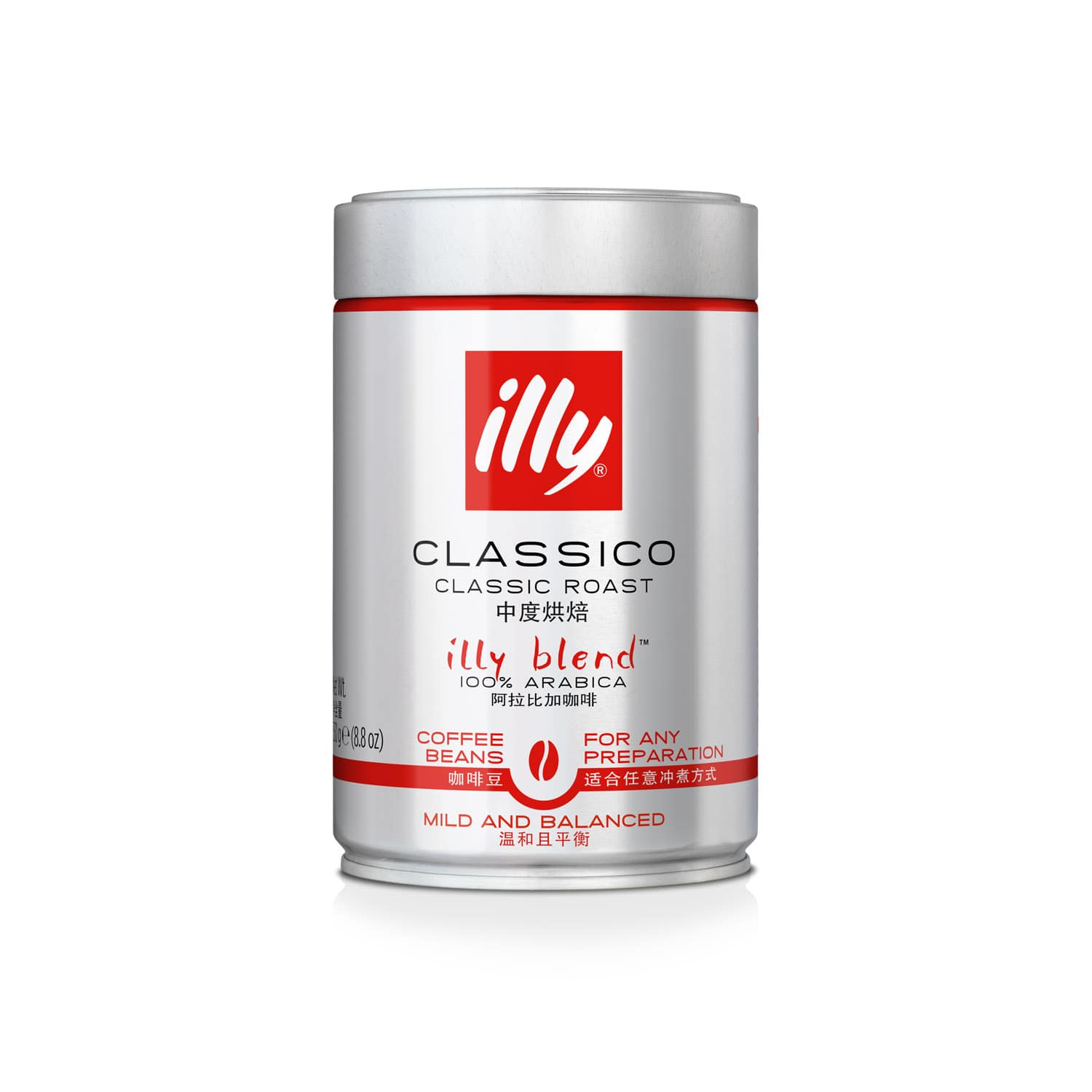
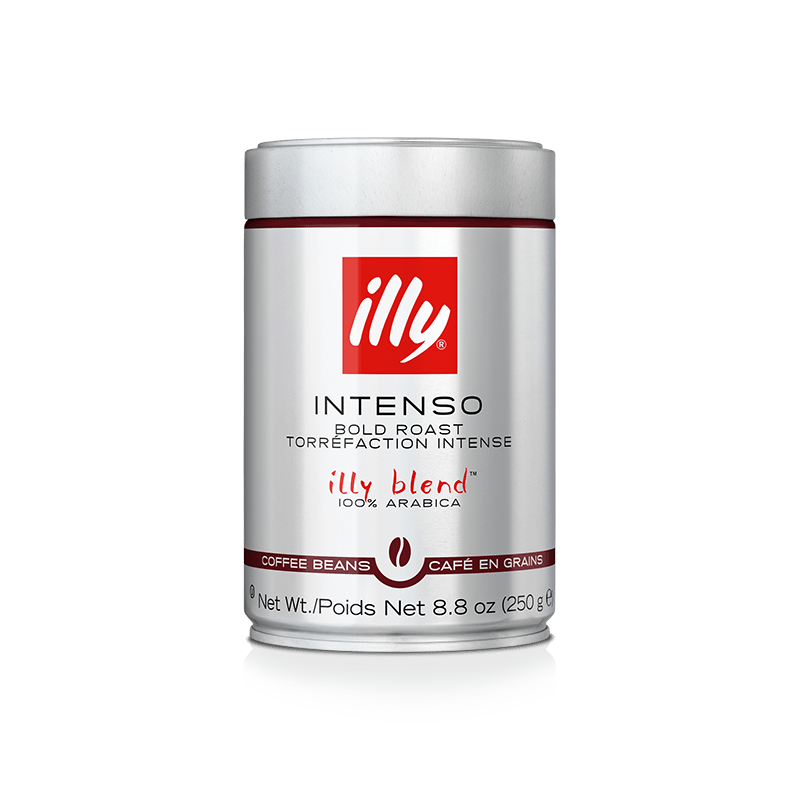
Brands such as illy primarily use Arabica beans, while many traditional Italian espresso blends incorporate Robusta to achieve their signature profile.
Which Coffee Is Better for Automatic Coffee Machines?
Both Arabica and Robusta can work well in automatic coffee machines. However, the experience differs.
Arabica in Automatic Machines
Arabica is ideal if you want:
- More flavour complexity
- Smoother coffee
- Better aroma
- Greater variety
Medium-roast Arabica coffees often perform exceptionally well in modern bean-to-cup machines.
Robusta in Automatic Machines
Robusta may be a good choice if you want:
- Stronger coffee
- More caffeine
- Rich crema
- Lower cost per cup
Many office coffee solutions and high-volume environments use blends containing Robusta because they provide consistency and intensity.
Machines such as Kalerm coffee machines can extract excellent results from both Arabica and Arabica-Robusta blends when properly adjusted.
Should Beginners Choose Arabica or Robusta?
For most beginners, Arabica is usually the better starting point.
Arabica tends to be:
- Easier to enjoy
- Less bitter
- More balanced
- More approachable
Once you develop your palate, experimenting with Robusta or Arabica-Robusta blends can help you discover different flavour experiences. There is no universal winner - only personal preference.
Arabica vs Robusta: Which One Should You Buy?
Choose Arabica if you:
- Enjoy smooth and flavourful coffee
- Want specialty coffee experiences
- Appreciate origin-specific flavours
- Prefer sweetness over bitterness
Choose Robusta if you:
- Want more caffeine
- Prefer stronger coffee
- Enjoy bold espresso
- Need a more budget-friendly option
Choose a blend if you:
- Want the best of both worlds
- Like strong espresso with rich crema
- Drink milk-based coffee beverages regularly
Arabica and Robusta are often presented as competitors, but they serve different purposes. Arabica is prized for its complexity, sweetness, and aromatic qualities, making it the preferred choice for most specialty coffee lovers.
Robusta offers strength, caffeine, body, and crema, making it a valuable component in many espresso blends and commercial coffees. Rather than asking which coffee is objectively better, consider what kind of coffee experience you're looking for.
If you love exploring flavours, Arabica is likely your best choice. If you want intensity, caffeine, and a bold espresso profile, Robusta may be exactly what you're after.
And if you cannot decide, there is always the classic solution: enjoy both and let your taste buds decide.