Specialty coffee is one of the most talked-about terms in the coffee world. You may see it on coffee bags, in cafés, or in online coffee stores, but what does it actually mean?
In simple terms, specialty coffee is high-quality coffee that has been carefully grown, processed, roasted, and brewed to highlight its best natural flavours.
But specialty coffee is not just about fancy packaging or a higher price. It is a quality standard that covers the entire journey of coffee - from the farm to your cup.
What Does Specialty Coffee Mean?
Specialty coffee refers to coffee that reaches a high quality score when evaluated by professional coffee tasters.
To be considered specialty coffee, it usually needs to score 80 points or higher on a 100-point scale. This score is based on aroma, flavour, aftertaste, acidity, body, balance, sweetness, and overall cup quality.
In practice, specialty coffee usually means:
- Better quality beans
- Fewer defects
- Traceable origin
- Careful roasting
- More complex flavour
- More attention to freshness
Instead of tasting only bitter or strong, specialty coffee can have notes of fruit, chocolate, caramel, nuts, flowers, spices, or berries.
Why Is Specialty Coffee Different?
The biggest difference is attention to detail.
With specialty coffee, every step matters:
- The coffee cherries are grown in suitable conditions.
- Only ripe cherries are harvested.
- The beans are processed carefully.
- Defective beans are removed.
- The coffee is roasted to highlight natural flavorus.
- The brewing method is adjusted to get the best taste.
Commercial coffee is usually created for consistency and mass-market appeal. Specialty coffee is created to highlight quality, origin, and flavour.
How Is Specialty Coffee Graded?
Specialty coffee is evaluated through a tasting process called cupping.
During cupping, trained coffee professionals assess the coffee based on several qualities:
- Aroma
- Flavour
- Aftertaste
- Acidity
- Body
- Balance
- Sweetness
- Cleanliness
- Overall impression
The final score determines whether the coffee can be classified as specialty coffee.
A coffee scoring 80+ points is considered specialty grade. Higher scores usually indicate more complexity, better balance, and fewer defects.
Where Does Specialty Coffee Come From?
Specialty coffee can come from many coffee-producing countries, including Ethiopia, Colombia, Brazil, Kenya, Guatemala, Costa Rica, Rwanda, Honduras, and Peru.
What matters is not only the country, but also the region, farm, altitude, variety, processing method, and producer.
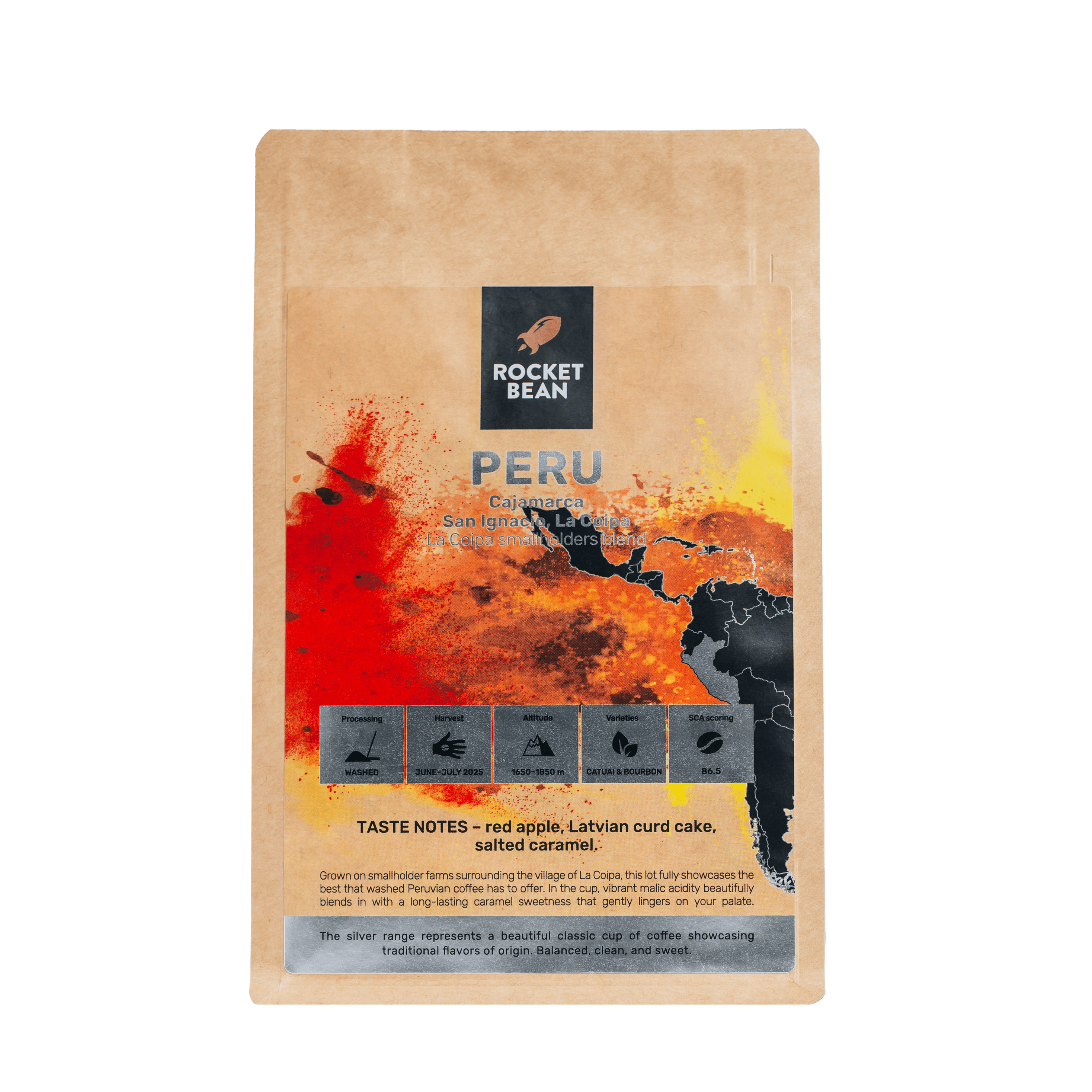
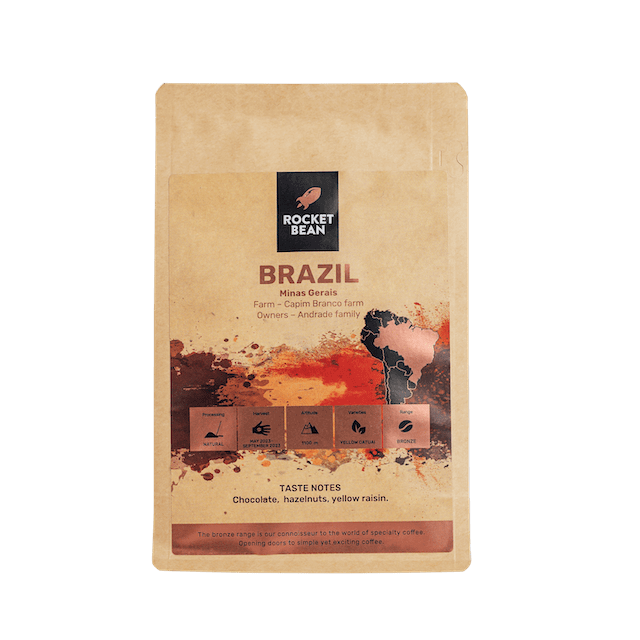
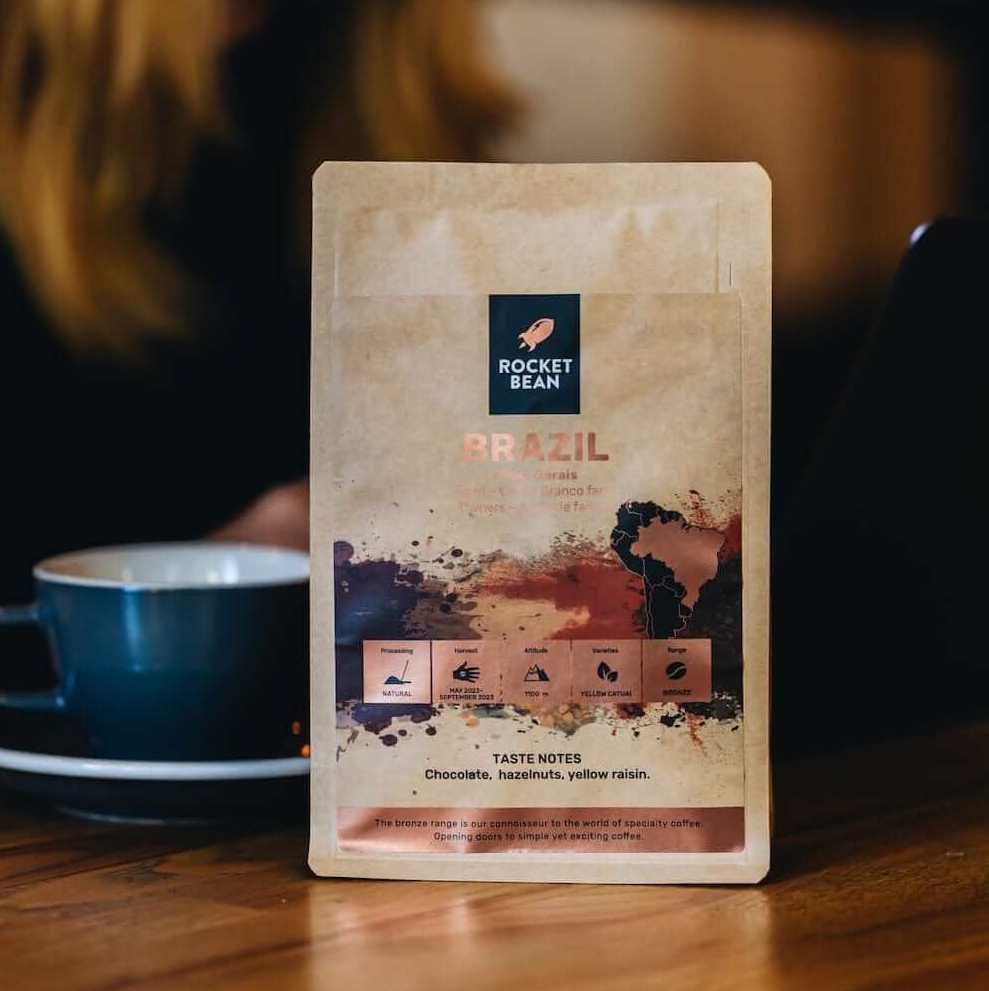
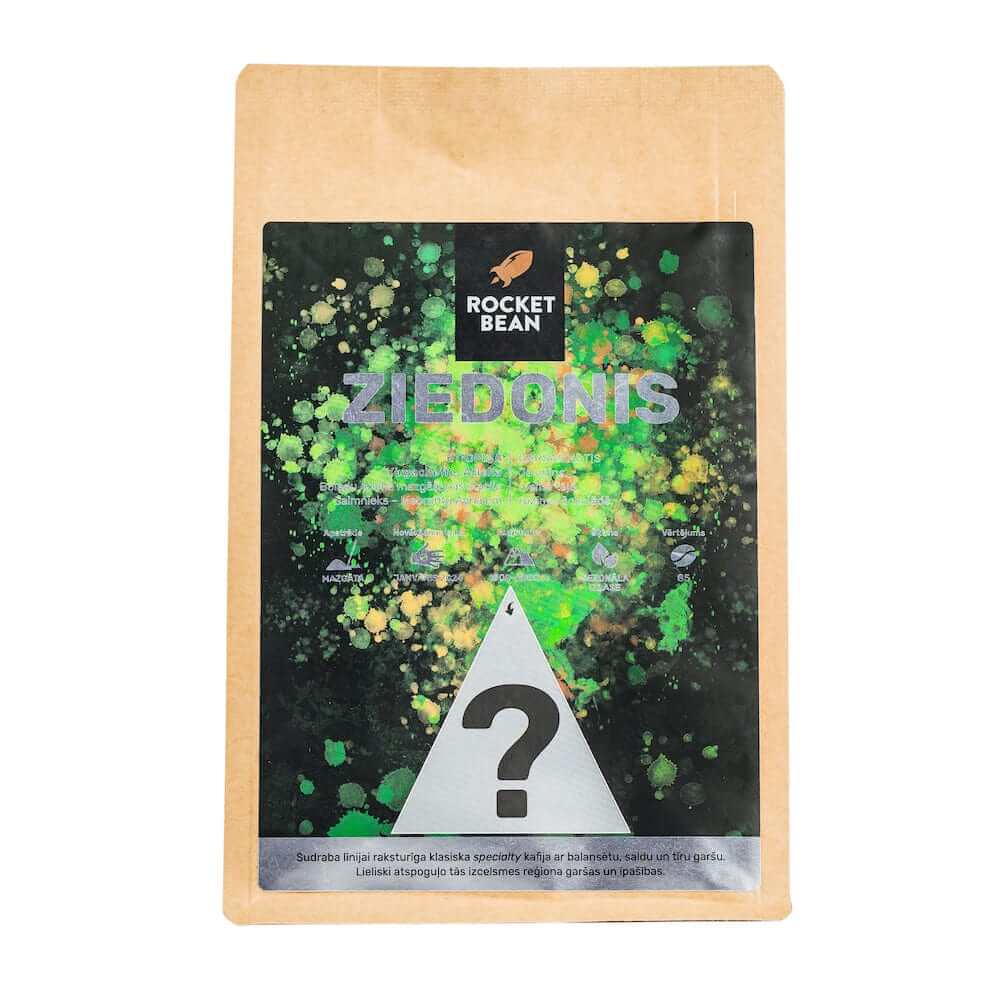
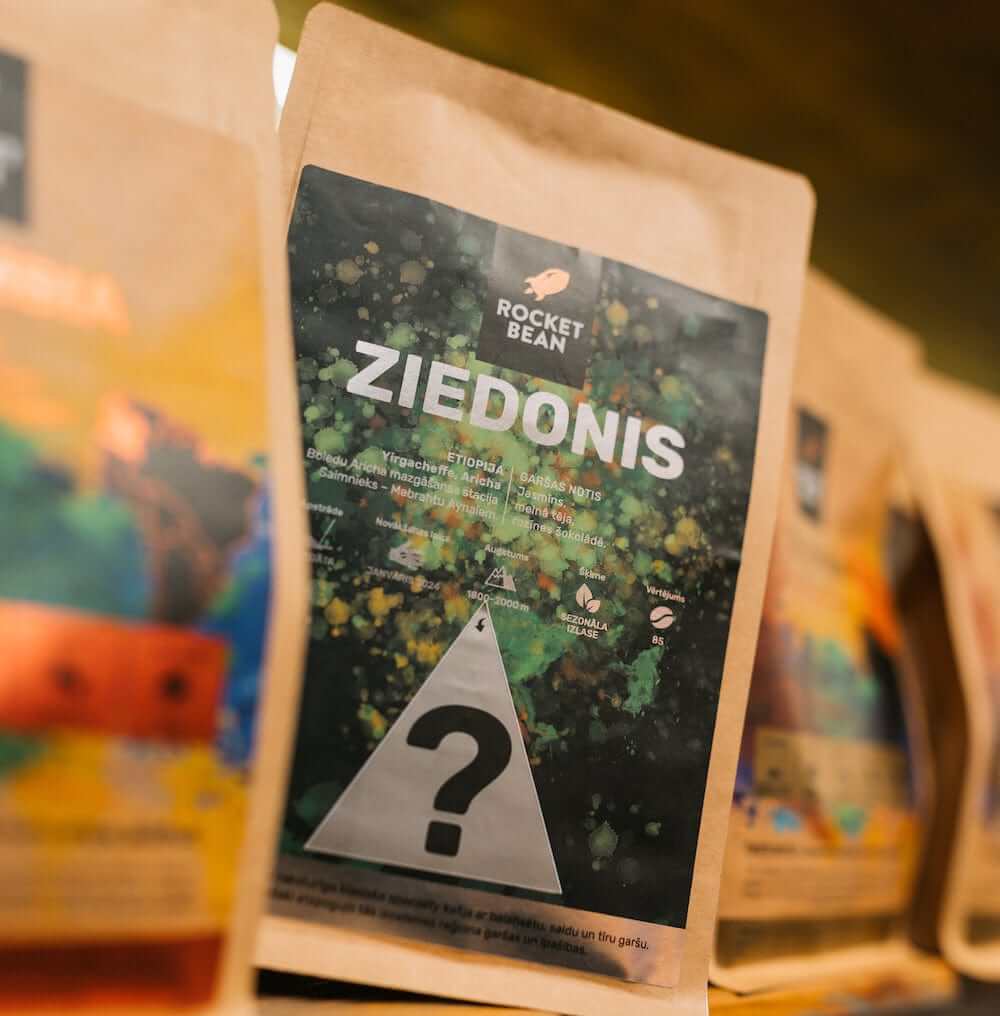
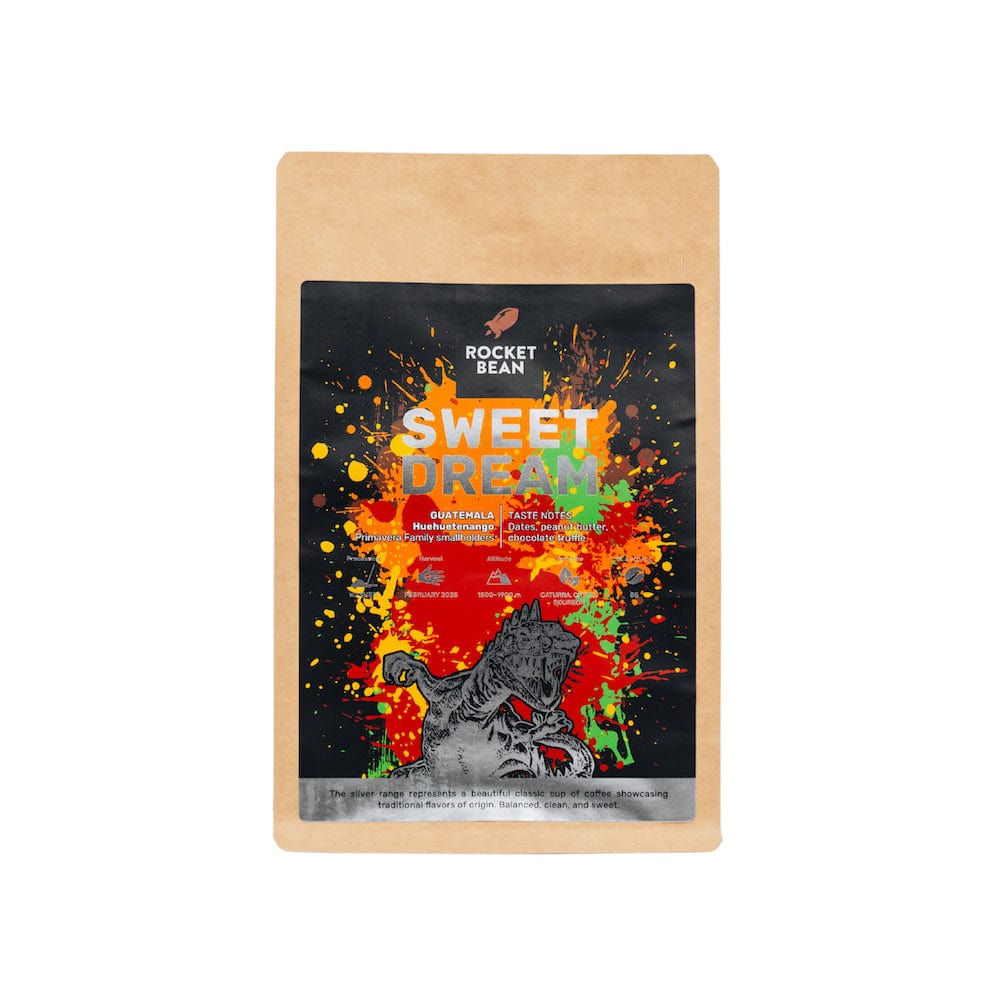
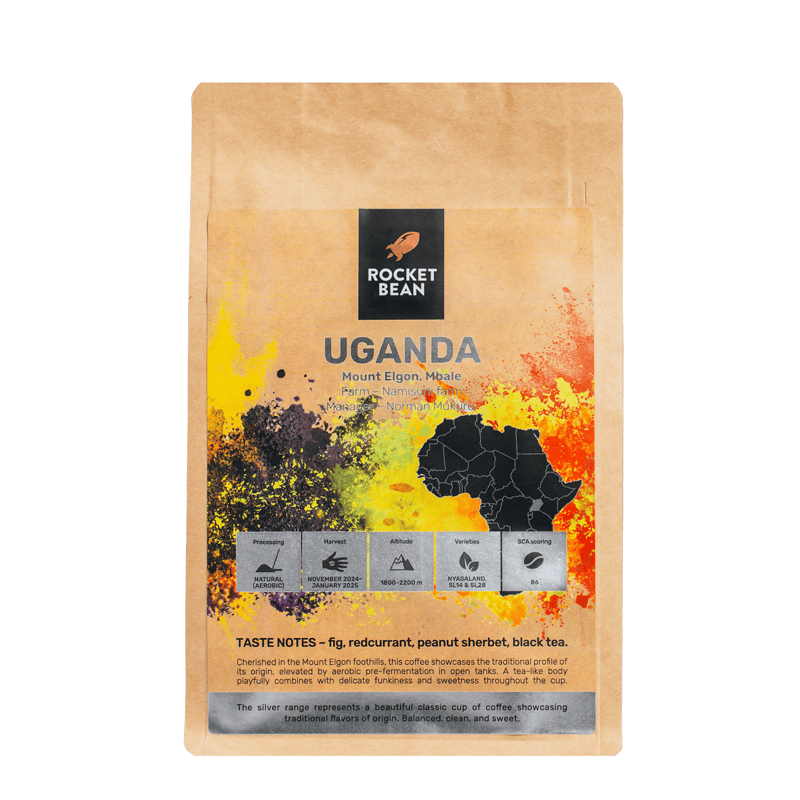
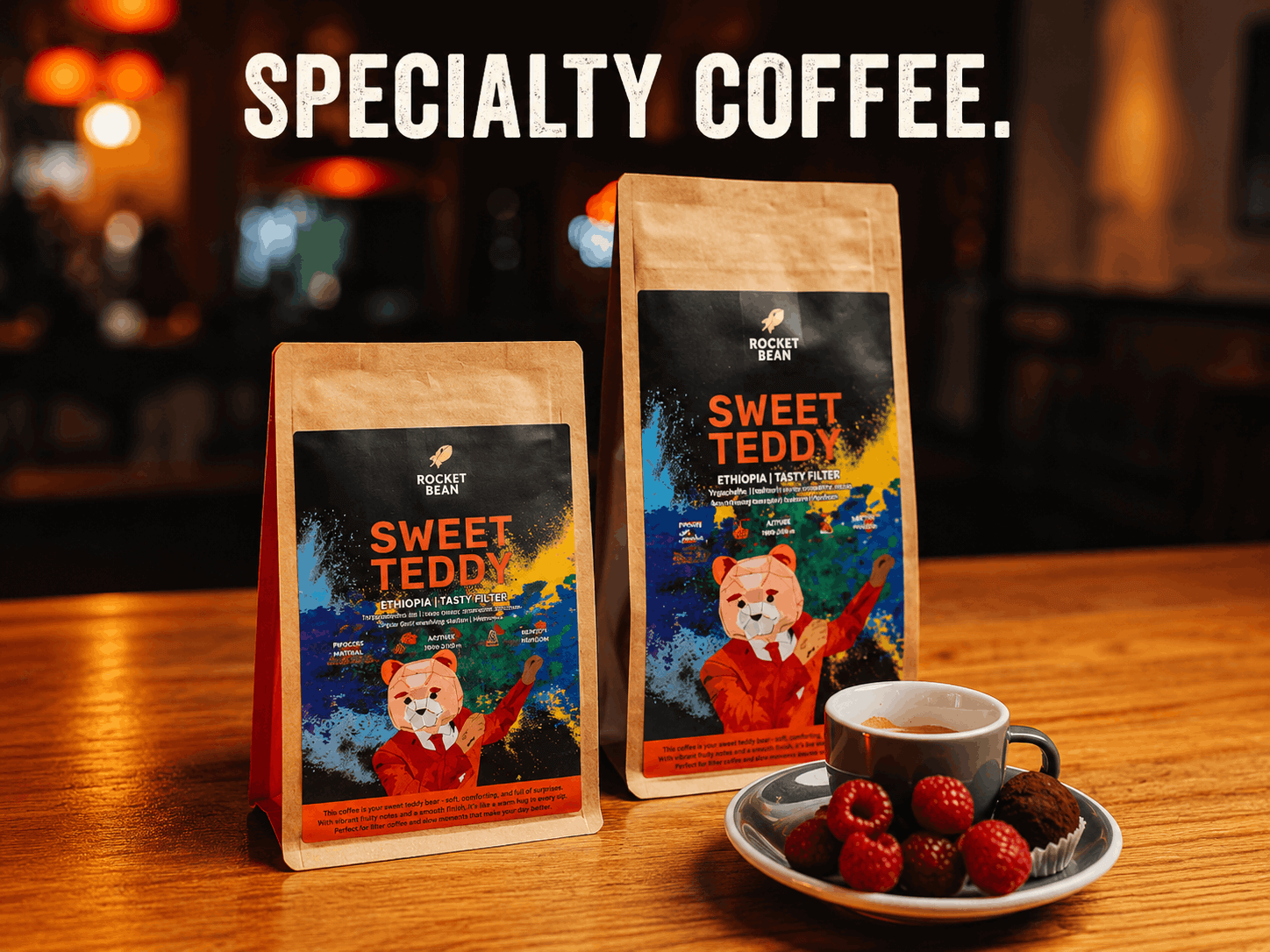
That is why specialty coffee bags often include detailed information such as:
- Country
- Region
- Farm
- Producer
- Altitude
- Coffee variety
- Processing method
- Tasting notes
This traceability helps coffee lovers understand what they are drinking and why it tastes the way it does.
What Does Specialty Coffee Taste Like?
Specialty coffee often tastes more complex than regular coffee.
Depending on the origin and roast profile, it may have flavour notes such as:
- Citrus
- Berries
- Chocolate
- Caramel
- Honey
- Nuts
- Flowers
- Tropical fruit
- Spices
For example, Ethiopian specialty coffee may taste floral and fruity, while Brazilian specialty coffee may taste nutty, chocolatey, and smooth.
This does not mean specialty coffee always tastes light or acidic. It simply means the coffee has more distinct and carefully developed flavours.
Is Specialty Coffee Always Light Roast?
No. Specialty coffee can be light, medium, or even darker roasted.
However, many specialty roasters prefer light to medium roasts because these profiles preserve more of the coffee's natural origin characteristics.
A lighter roast may highlight fruitiness, acidity, floral notes, and complexity. A medium roast may bring more sweetness, balance, chocolate notes, and round body. The best roast level depends on the coffee itself and how you plan to brew it.
Is Specialty Coffee Better Than Regular Coffee?
Specialty coffee is usually higher quality, but “better” depends on your personal taste.
Specialty coffee may be better for you if you:
- Enjoy discovering new flavours
- Want traceable origin
- Care about bean quality
- Like brewing coffee manually
- Want a more refined coffee experience
Regular or commercial coffee may suit you better if you:
- Prefer a familiar strong taste
- Want maximum consistency
- Use milk-based drinks often
- Drink many cups per day
- Care more about price and convenience
The best coffee is the one you actually enjoy drinking.
Can You Use Specialty Coffee in an Automatic Coffee Machine?
Yes, you can use specialty coffee in an automatic coffee machine.
Modern bean-to-cup machines, including many Kalerm coffee machines, can work very well with specialty coffee, especially if the machine allows you to adjust:
- Grind size
- Coffee strength
- Water volume
- Brewing temperature
- Milk settings
For specialty coffee, it is usually best to start with a medium roast. It tends to be easier to extract and often works better in automatic machines than very light roasts. If you prefer convenience but still want better coffee quality, a good automatic machine plus freshly roasted beans is a strong combo.
Tiny life hack: your coffee machine cannot turn bad beans into magic. But give it good beans, and suddenly it starts acting like it has a LinkedIn profile.
How Should Beginners Start With Specialty Coffee?
If you are new to specialty coffee, do not overcomplicate it. Start with a coffee that has familiar tasting notes, such as:
- Chocolate
- Caramel
- Nuts
- Honey
- Dried fruit
Medium roast coffees from Brazil, Colombia, or Guatemala are often beginner-friendly because they are balanced, smooth, and not too acidic. Once you get used to those flavours, you can explore more adventurous coffees from Ethiopia, Kenya, or Rwanda.
How to Choose Specialty Coffee Beans
When choosing specialty coffee, look for:
- Roast date
- Origin
- Roast level
- Processing method
- Tasting notes
- Recommended brewing method
For espresso or automatic machines, choose medium roast coffee with chocolate, nutty, or caramel notes. For filter coffee, you can explore lighter roasts with fruitier or floral notes. For milk drinks, coffees with chocolate, caramel, and nutty notes usually work best.
Is Specialty Coffee Worth the Price?
Specialty coffee usually costs more because it involves better farming, careful processing, quality control, smaller batches, and more transparent sourcing.
You are not only paying for coffee beans. You are paying for the work behind the coffee.
For many people, specialty coffee is worth it because it offers:
- Better flavour
- More freshness
- More transparency
- More variety
- A more enjoyable daily ritual
But it does not mean you need to drink only specialty coffee forever. You can enjoy both specialty and commercial coffee depending on the situation.
Specialty coffee is not just expensive coffee with a cool label. It is coffee that has been treated with care at every stage - growing, harvesting, processing, roasting, and brewing.
It offers better traceability, higher quality, and a wider range of flavours than standard commercial coffee. If you are just starting out, choose a medium roast specialty coffee with familiar tasting notes and brew it in the way that fits your daily routine.
Specialty coffee is not about becoming a coffee snob. It is about discovering that coffee can taste much more interesting than “strong” or “bitter”.