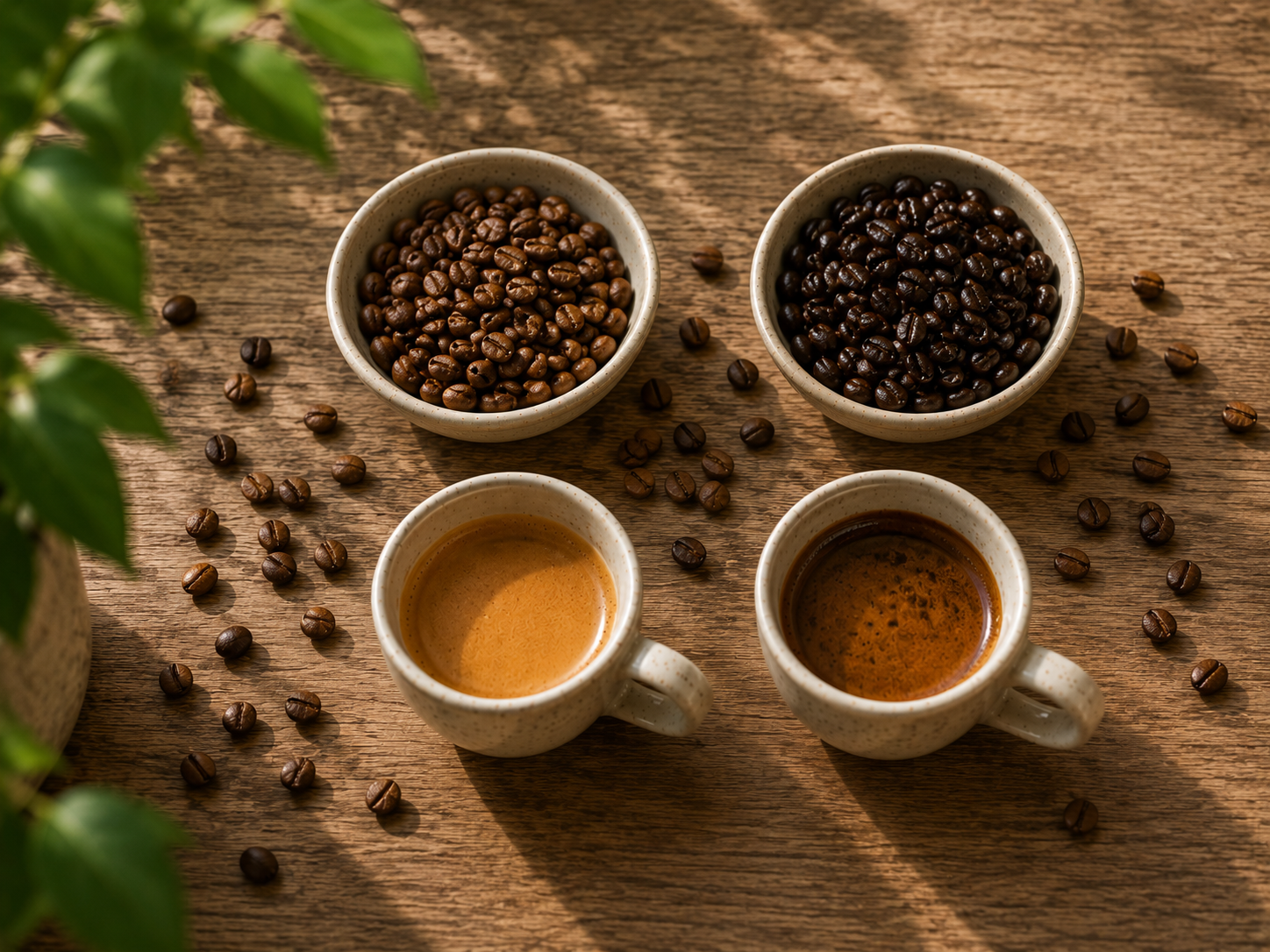
Arabica and Robusta are the two most common types of coffee used in espresso blends. While both can produce excellent espresso, they create very different flavour profiles, crema, caffeine levels, and overall drinking experiences.
If you are choosing coffee beans for a home espresso machine like Sage, Delonghi, or Jura, understanding the difference between Arabica and Robusta can help you find coffee that matches your taste preferences.
In this guide, we’ll explain how Arabica and Robusta differ, which coffee works best for espresso, and how cafés use both beans in modern espresso blends.
Quick Answer: Arabica vs Robusta for Espresso
Arabica coffee is smoother, sweeter, and more complex, while Robusta coffee is stronger, more bitter, and produces thicker crema.
For most home espresso drinkers:
- Arabica is best for balanced and flavourful espresso
- Robusta is best for stronger Italian-style coffee with more crema
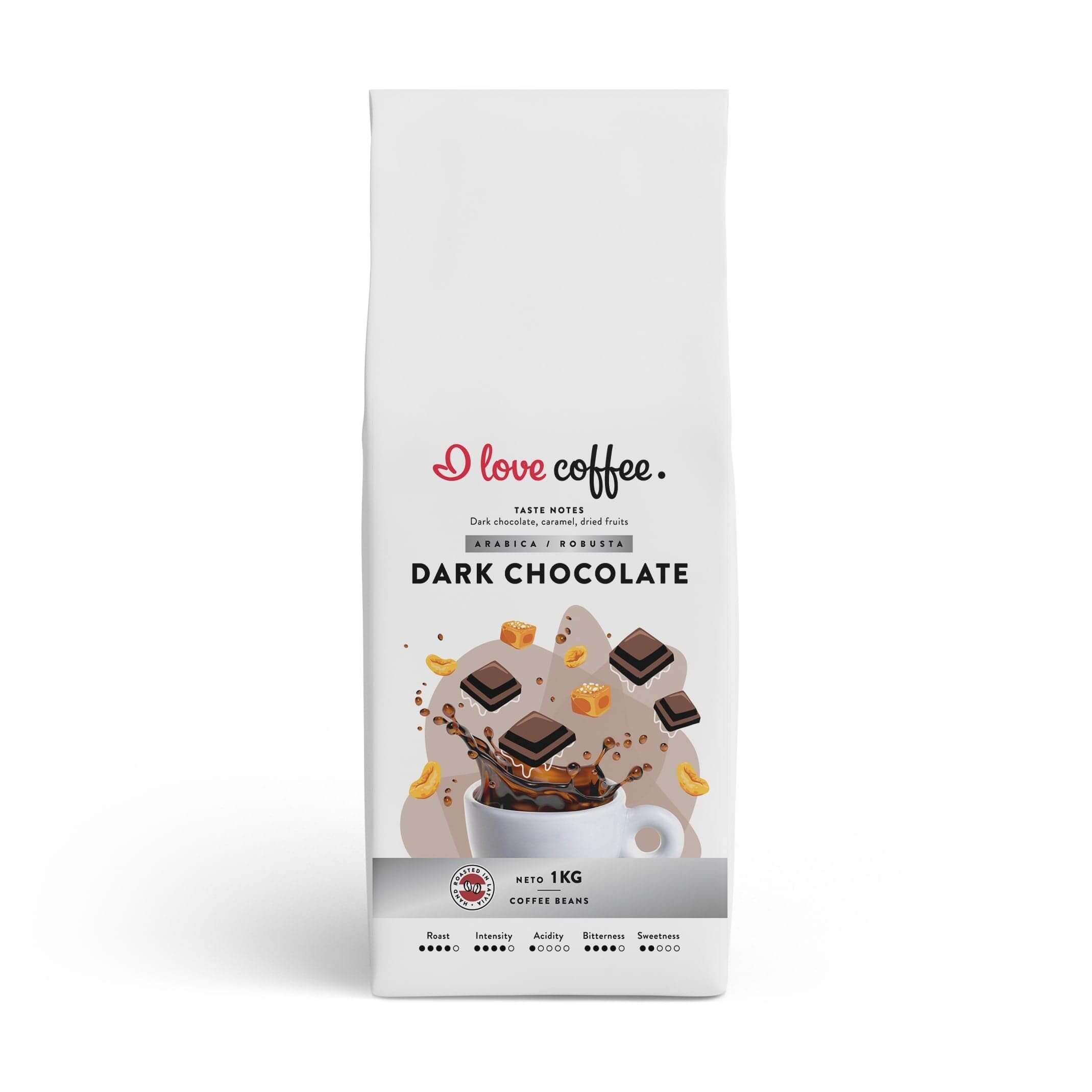
- Arabica + Robusta blends often create the best balance for cappuccino and milk drinks
What Is Arabica Coffee?
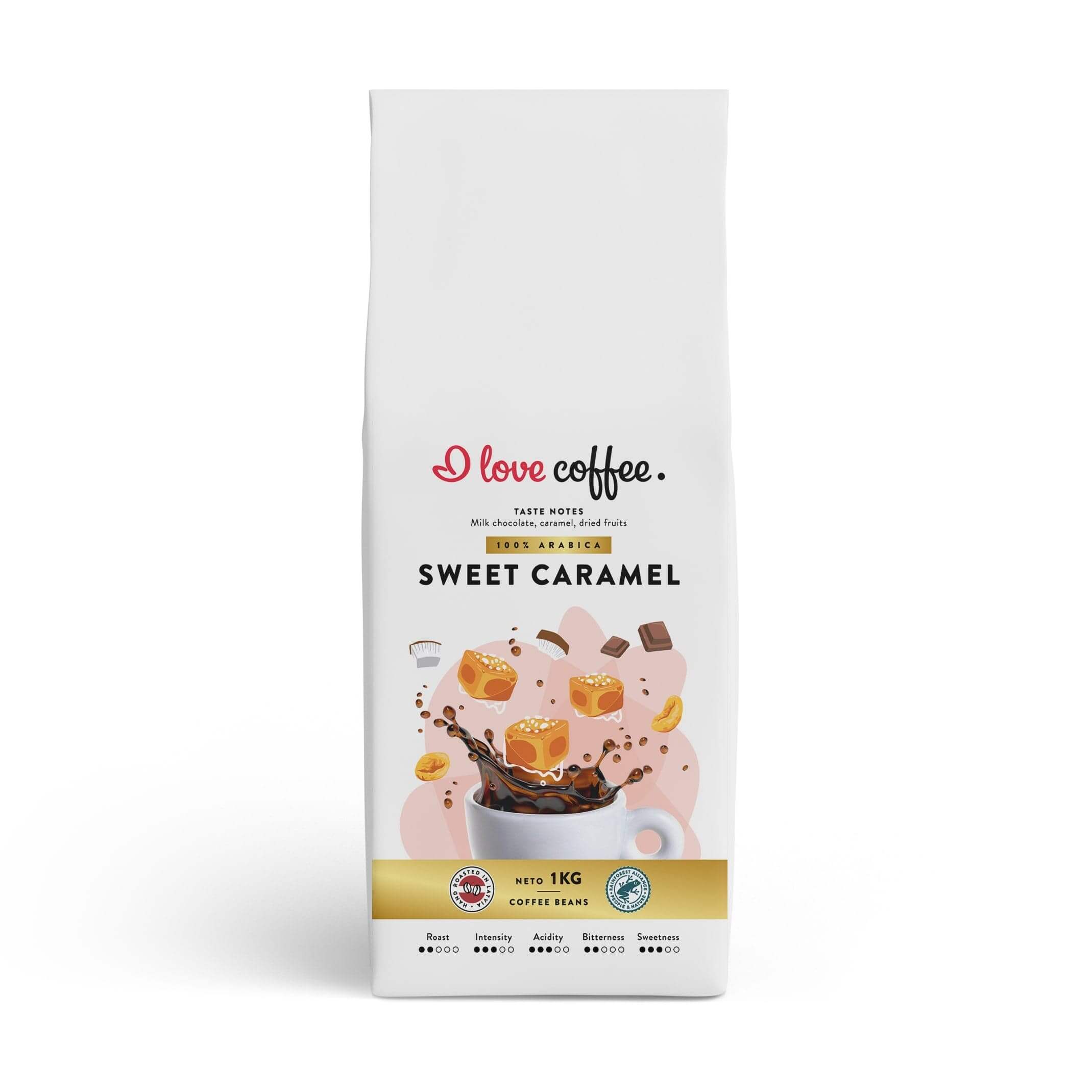
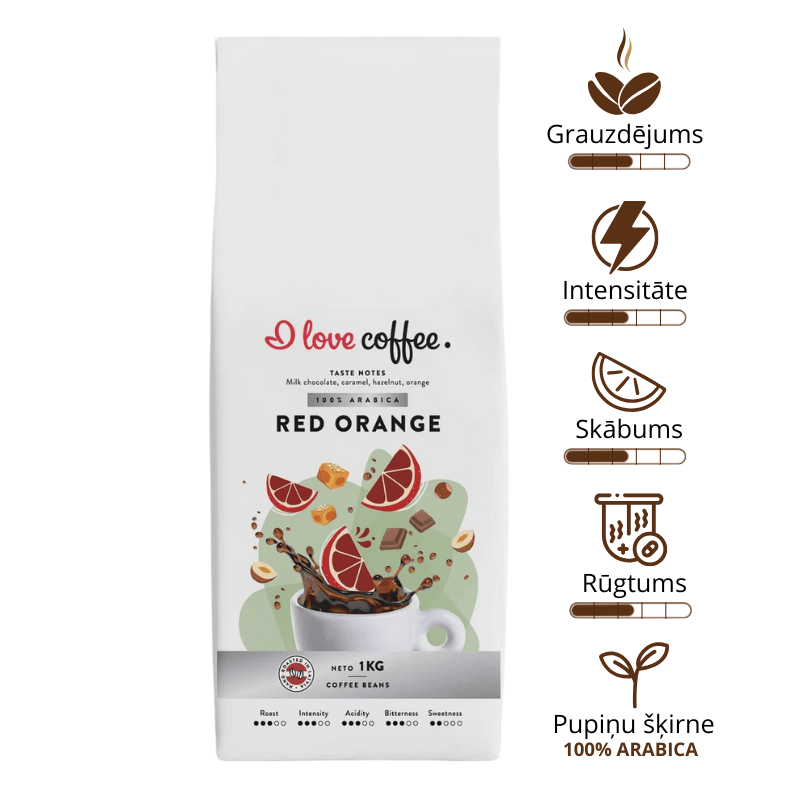
Arabica is the most popular coffee species in the world and is widely used in specialty coffee and premium espresso blends.
Arabica coffee is known for:
- Sweeter flavor
- Smoother texture
- Higher acidity
- More complex tasting notes
- Lower caffeine content
Arabica espresso often includes flavor notes like:
- Chocolate
- Caramel
- Fruit
- Nuts
- Floral notes
This makes Arabica especially popular for home espresso and specialty coffee.
What Is Robusta Coffee?
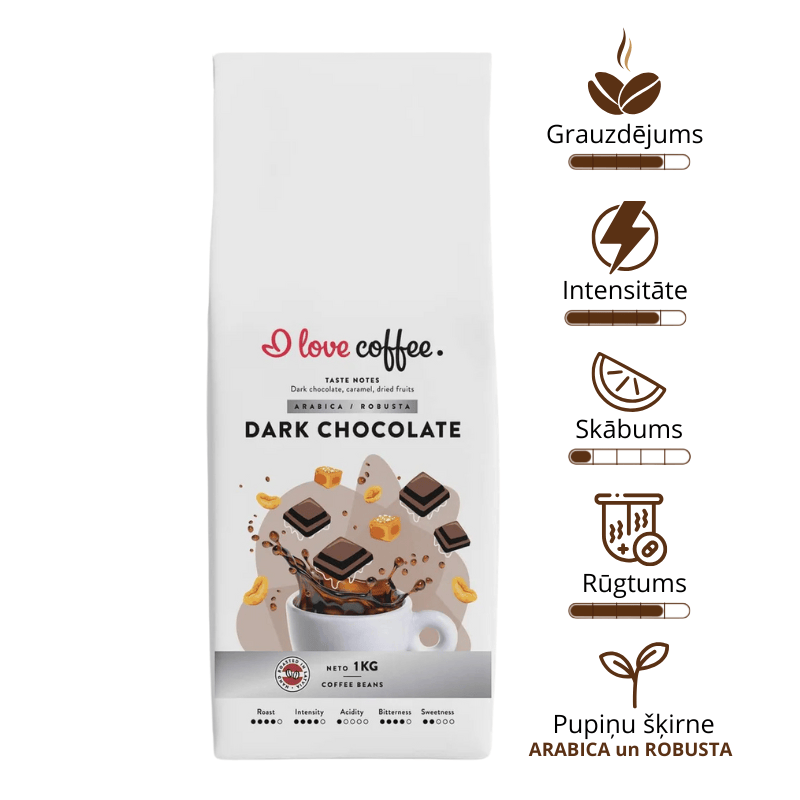
Robusta coffee contains more caffeine and produces a stronger, heavier espresso flavor.
Robusta beans are commonly used in traditional Italian espresso blends because they create:
- Thicker crema
- Stronger body
- More bitterness
- Lower acidity
- Higher caffeine levels
Robusta flavor profiles are often described as:
- Earthy
- Bold
- Dark chocolate-like
- Woody
- Intense
Arabica vs Robusta: Key Differences
| Arabica | Robusta | |
|---|---|---|
| Flavor | Smooth and sweet | Strong and bitter |
| Caffeine | Lower | Higher |
| Crema | Less crema | More crema |
| Acidity | Higher | Lower |
| Body | Lighter | Heavier |
| Best For | Specialty espresso | Strong Italian espresso |
Which Is Better for Espresso?
There is no single “best” option because espresso preferences are highly personal.
For most home espresso setups:
- 100% Arabica works best for smooth and balanced espresso
- Arabica + Robusta blends work best for cappuccino and stronger espresso
- High-Robusta blends work best for traditional Italian-style coffee
If you are new to espresso, medium roasted Arabica blends are usually the easiest starting point.
You can also read our guide about the best coffee beans for espresso at home.
Why Coffee Shops Often Use Blends
Many coffee shops combine Arabica and Robusta beans to create a balanced espresso profile.
This allows cafés to combine:
- Arabica sweetness and complexity
- Robusta crema and intensity
- Better milk drink performance
- More stable espresso extraction
This style is especially popular for cappuccino and latte drinks.
For more milk drink recommendations, see our guide about the best coffee for cappuccino at home.
Which Coffee Is Stronger?
Robusta coffee contains significantly more caffeine than Arabica coffee.
If you want:
- Higher caffeine
- More intense flavor
- Thicker crema
- Traditional Italian espresso taste
Robusta-based blends may be a better choice.
However, higher-quality Arabica coffee usually offers more flavor complexity and sweetness.
Best Coffee for Sage Espresso Machines
Sage espresso machines usually work best with medium roasted espresso blends that are easy to extract consistently.
For most Sage users:
- Arabica blends provide smoother espresso
- Small amounts of Robusta improve crema and body
- Medium roasted coffee creates the most balanced results
You can also read our full guide about the best coffee beans for Sage espresso machines.
Frequently Asked Questions
Is Arabica or Robusta better for espresso?
Arabica is usually smoother and sweeter, while Robusta creates stronger espresso with thicker crema.
Why do Italian espresso blends contain Robusta?
Robusta adds crema, strength, body, and caffeine to espresso blends.
Is Robusta stronger than Arabica?
Yes. Robusta contains more caffeine and usually tastes stronger and more bitter.
Can you make espresso with 100% Arabica?
Yes. Many specialty coffee shops use 100% Arabica espresso blends.
What coffee is best for cappuccino?
Arabica + Robusta blends are often ideal for cappuccino because they balance sweetness, body, and crema.
Final Thoughts
Arabica and Robusta both play important roles in espresso.
If you prefer smooth, sweet, and complex coffee, Arabica is usually the best option.
If you enjoy stronger coffee with heavier body and more crema, Robusta-based blends may suit your taste better.
For many home baristas, balanced espresso blends containing both Arabica and Robusta offer the best overall espresso experience.