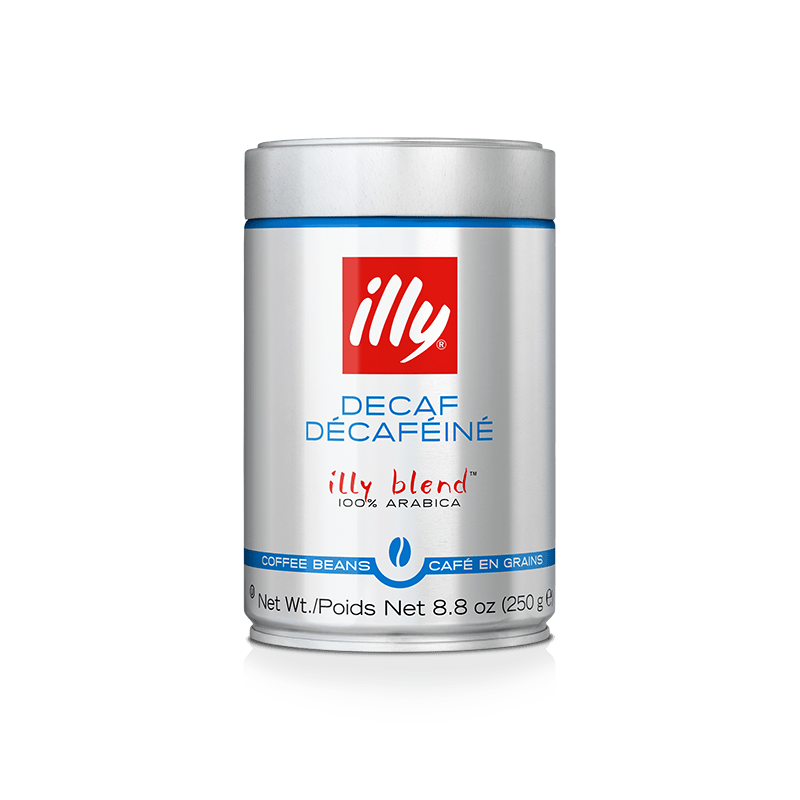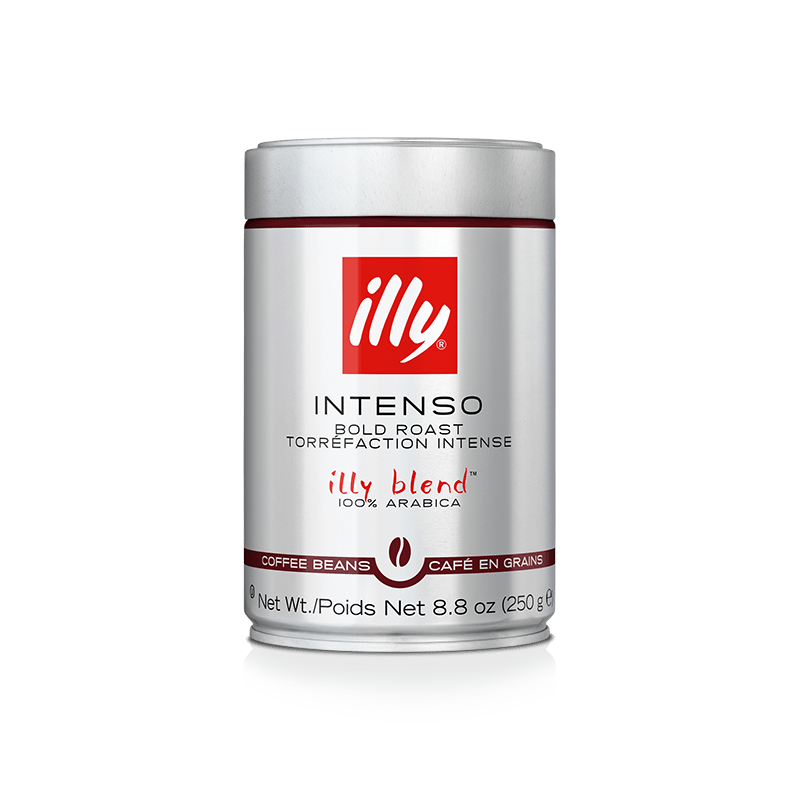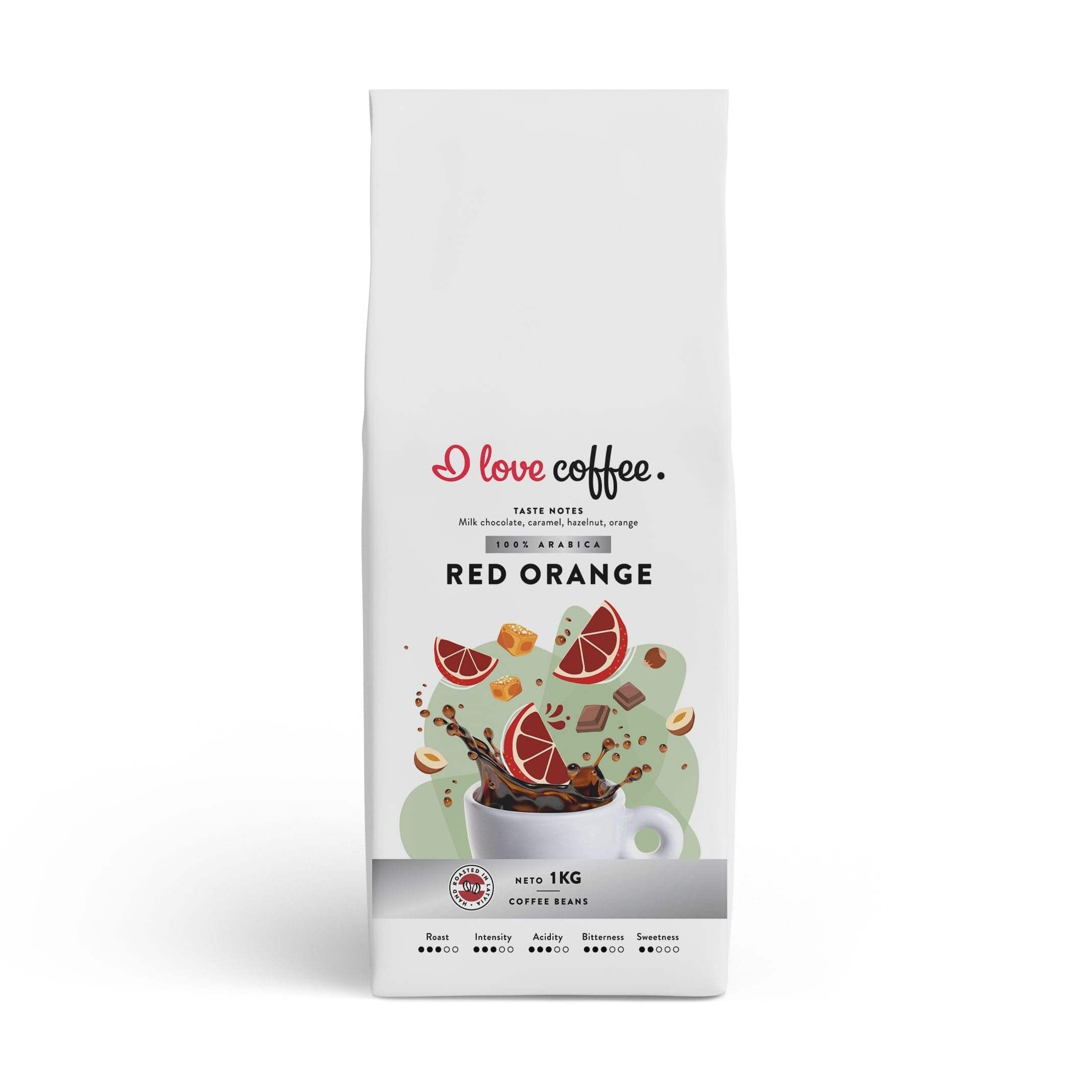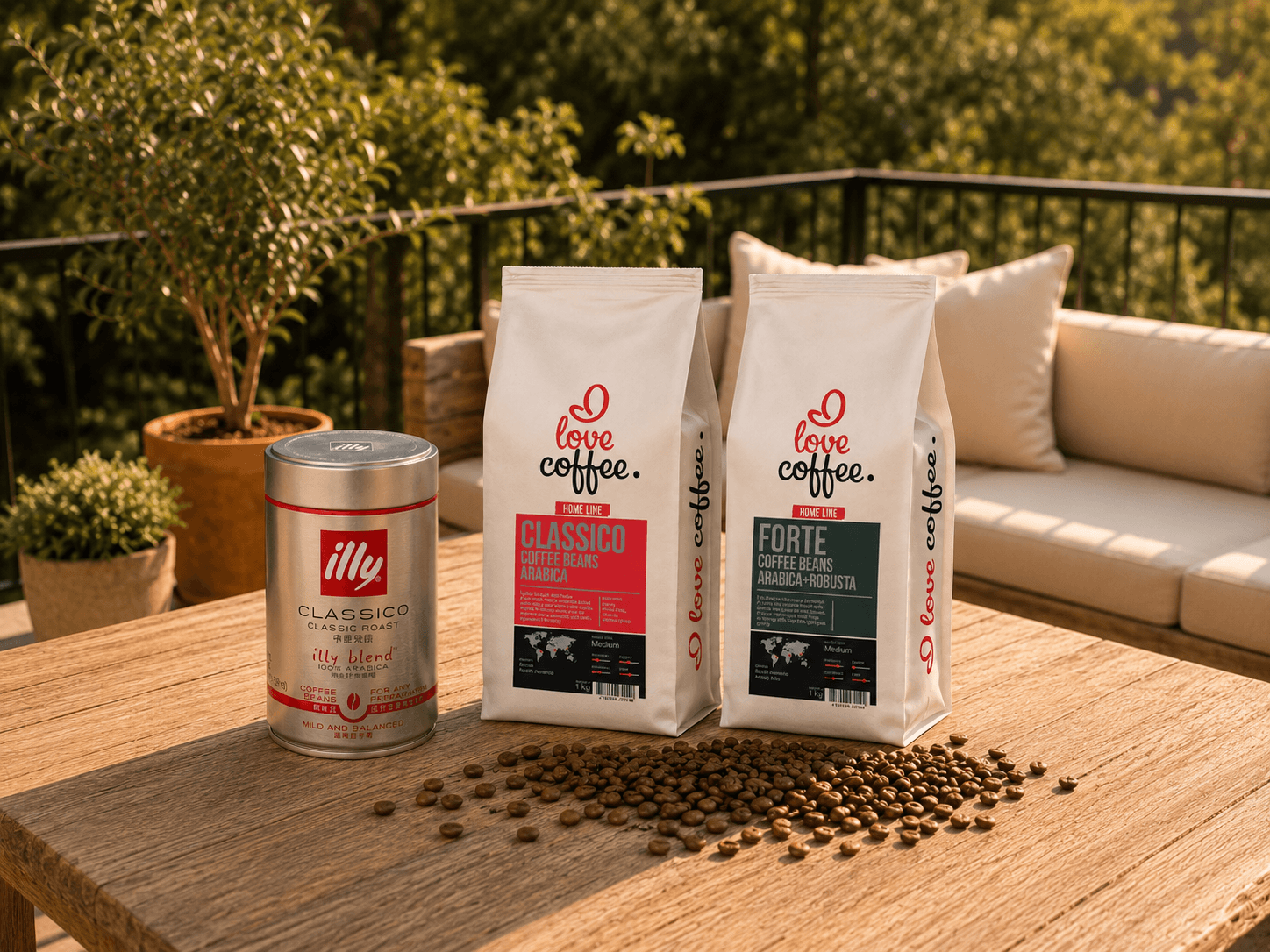
Making great espresso at home starts with choosing the right coffee beans. The best coffee beans for espresso are usually medium to dark roasted, freshly roasted, and balanced enough to produce sweetness, body, and low bitterness in a short extraction.
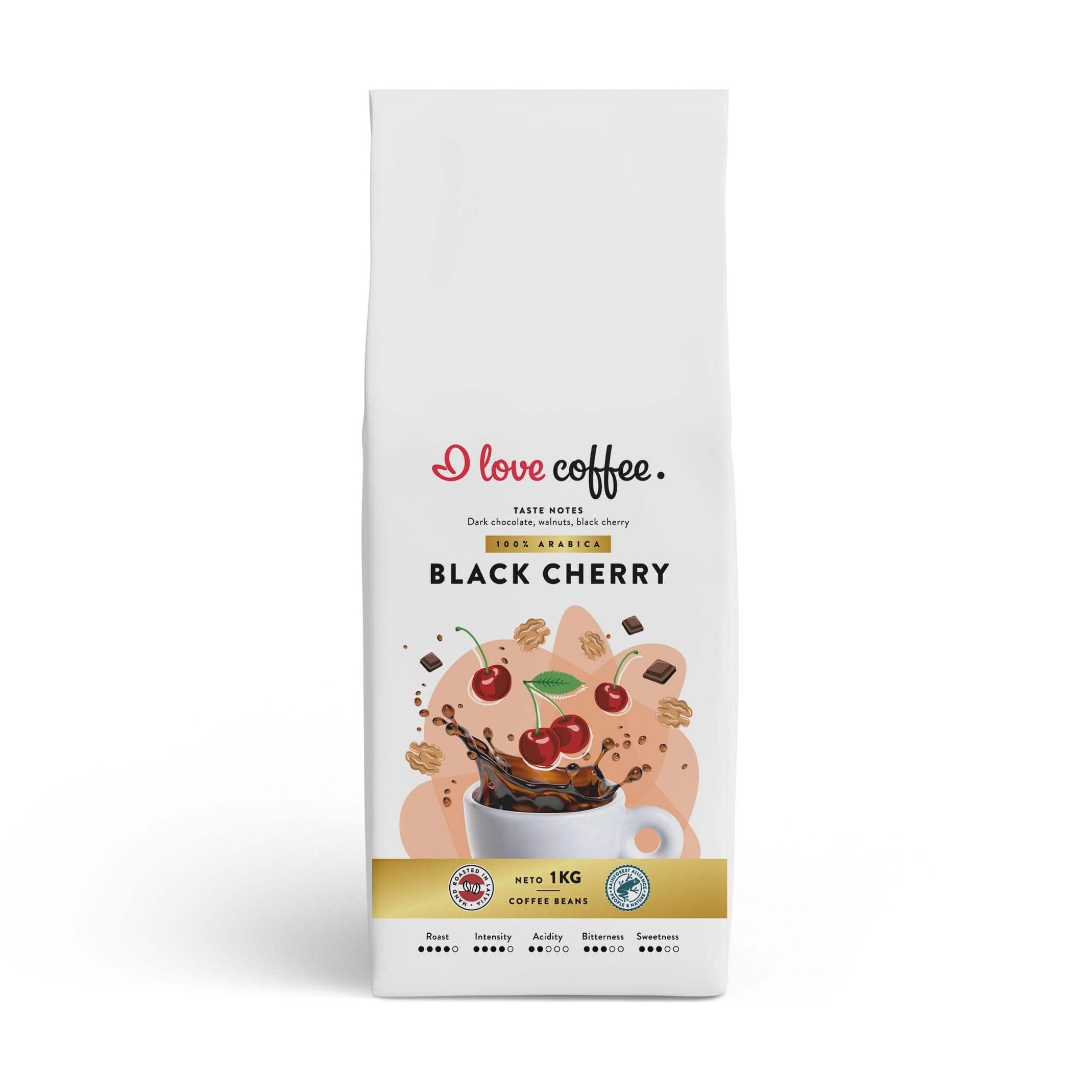
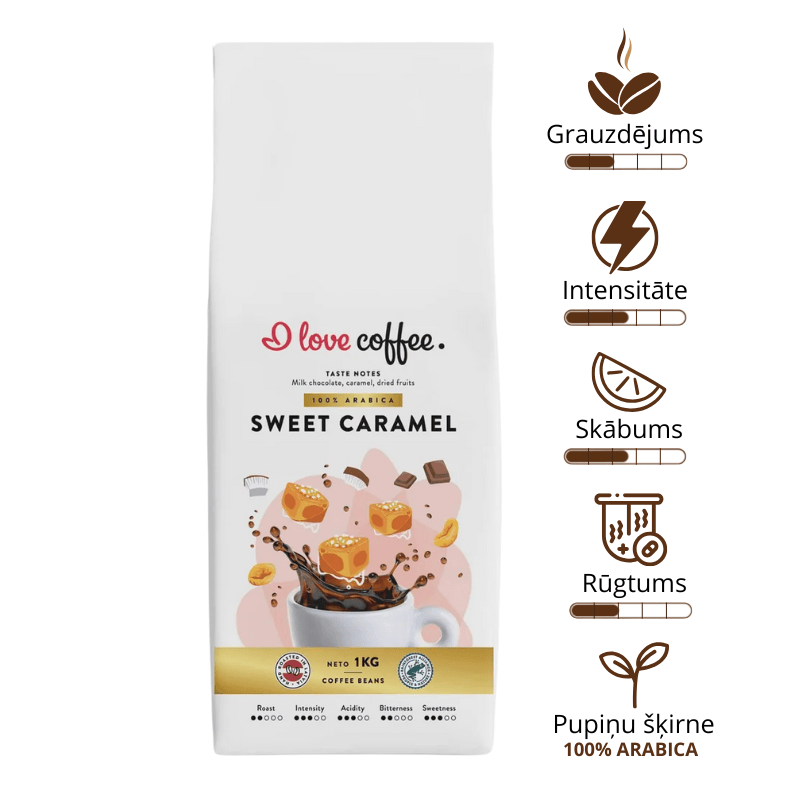
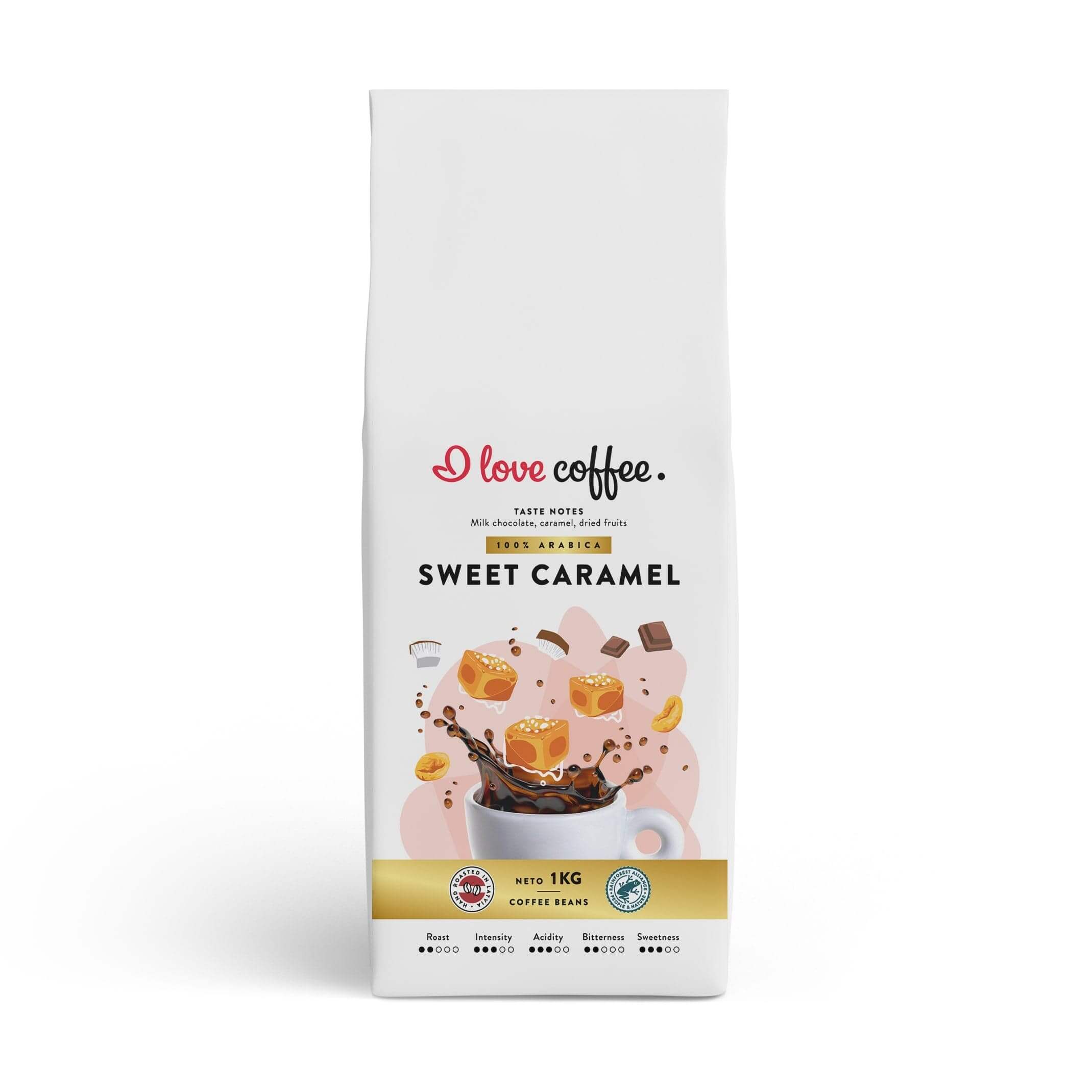
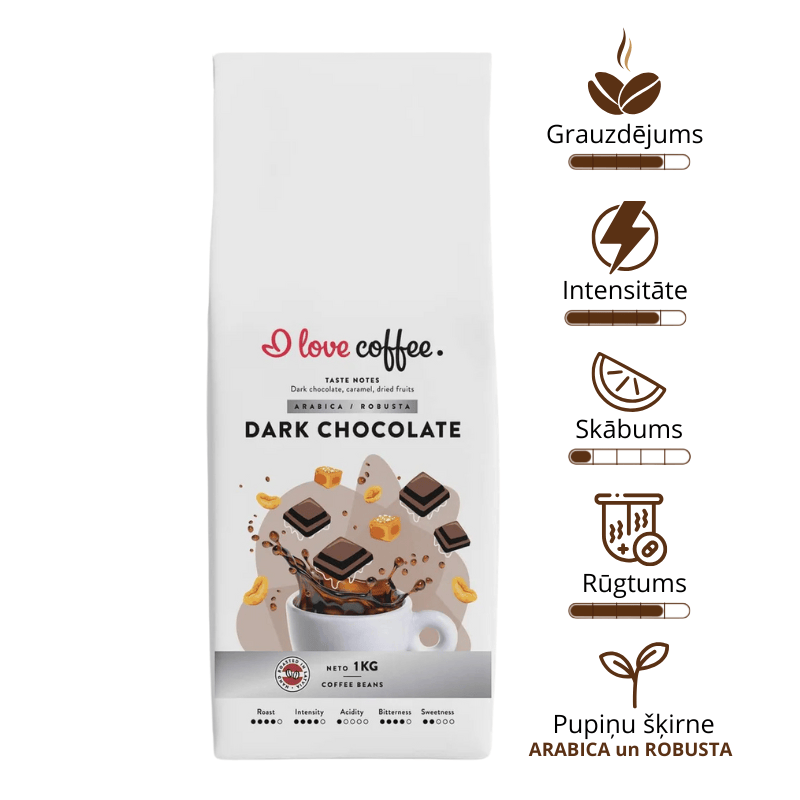
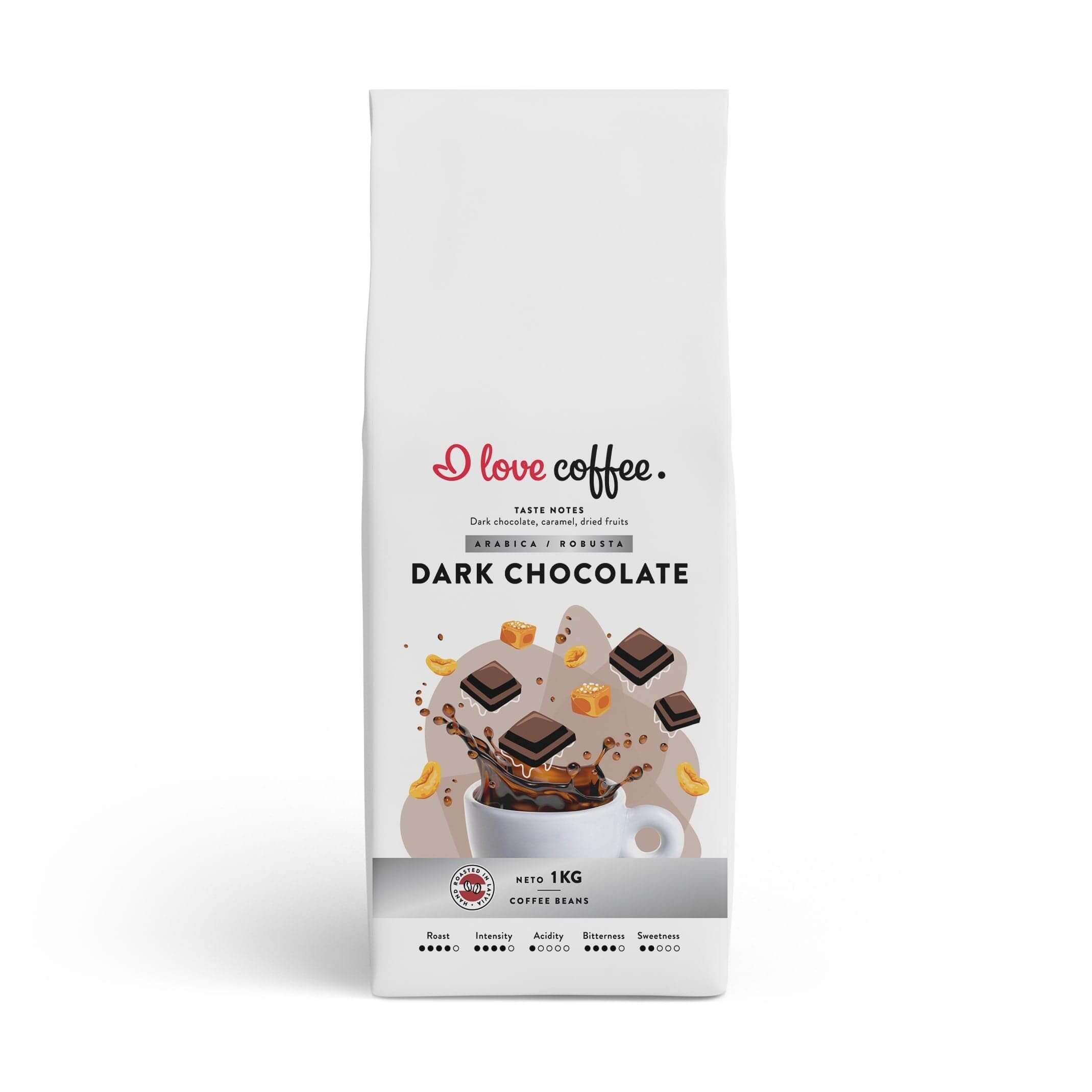
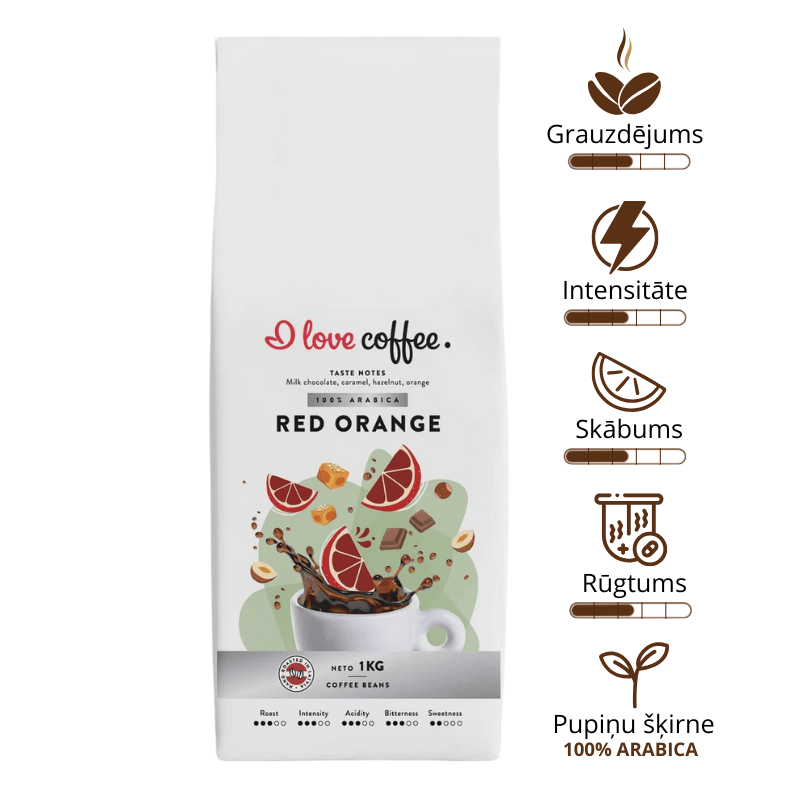
If you use a home espresso machine like Sage, Delonghi, Jura, or Kalerm, look for coffee beans with chocolate, nutty, caramel, or cocoa tasting notes. These coffees are easier to dial in and work especially well for cappuccino, latte, and flat white drinks.
Lighter roasted coffees can also produce excellent espresso, but they usually require more precise grinder settings and better temperature control.
In this guide, we’ll explain how to choose the best espresso beans for your machine, compare roast levels, and recommend the best coffee types for different taste preferences.
Quick Answer: What Coffee Beans Are Best for Espresso?
For most home espresso setups, medium-dark roasted Arabica blends offer the best balance of sweetness, crema, body, and consistency.
If you enjoy:
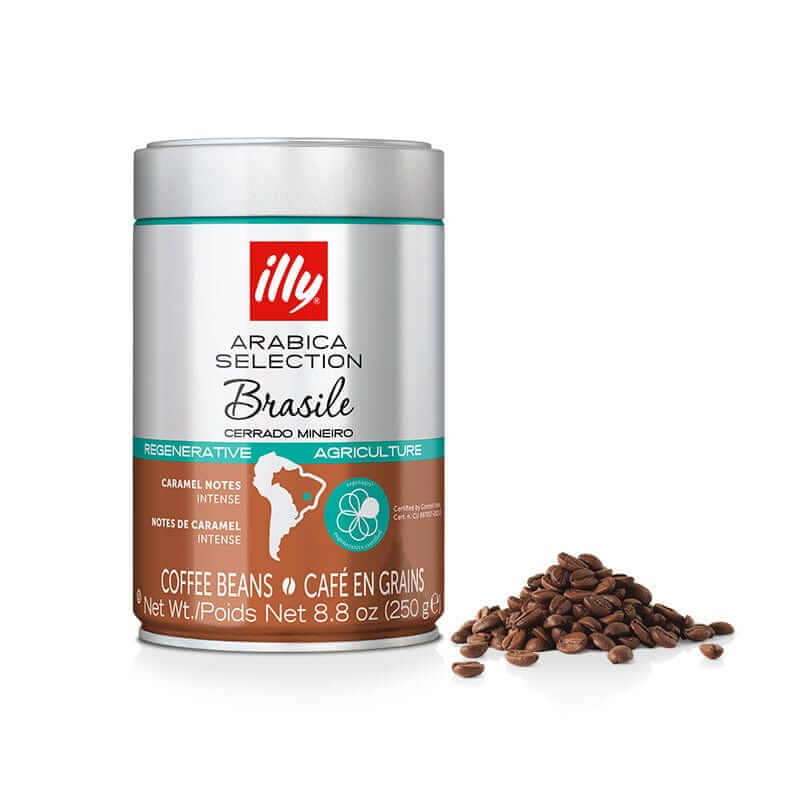
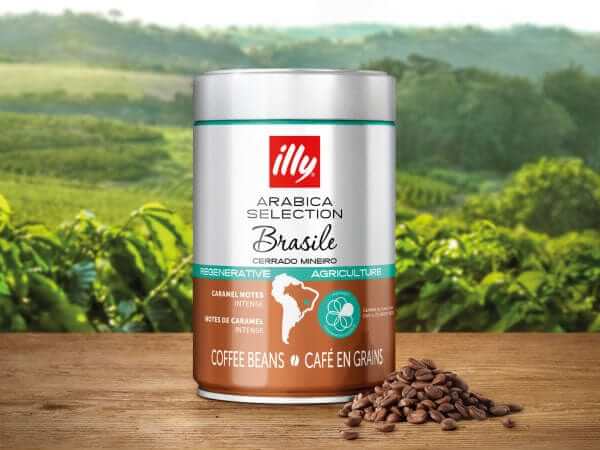
- Chocolatey and smooth espresso → choose Brazilian or Colombian blends
- Stronger coffee with more crema → choose blends containing Robusta
- Fruity and modern espresso → choose light-roasted specialty coffee
- Milk drinks like cappuccino → choose medium roasted espresso blends
Best Coffee Beans by Espresso Style
| Espresso Style | Recommended Roast | Best Flavor Notes |
|---|---|---|
| Classic Italian Espresso | Dark Roast | Dark chocolate, nuts, spice |
| Cappuccino & Latte | Medium Roast | Caramel, cocoa, brown sugar |
| Strong Espresso | Medium-Dark with Robusta | Intense, heavy body, crema |
| Fruity Specialty Espresso | Light-Medium Roast | Berries, citrus, floral |
| Beginner-Friendly Espresso | Medium Roast | Balanced sweetness, low acidity |
How Roast Level Affects Espresso
Roast level has a major impact on espresso flavour, crema, and extraction.
Light Roast
Light roasted coffee beans usually produce brighter and fruitier espresso with higher acidity. These coffees are popular in specialty coffee shops but can be more difficult to dial in at home.
Best for:
- Experienced home baristas
- Modern fruity espresso
- Filter coffee fans moving into espresso
Medium Roast
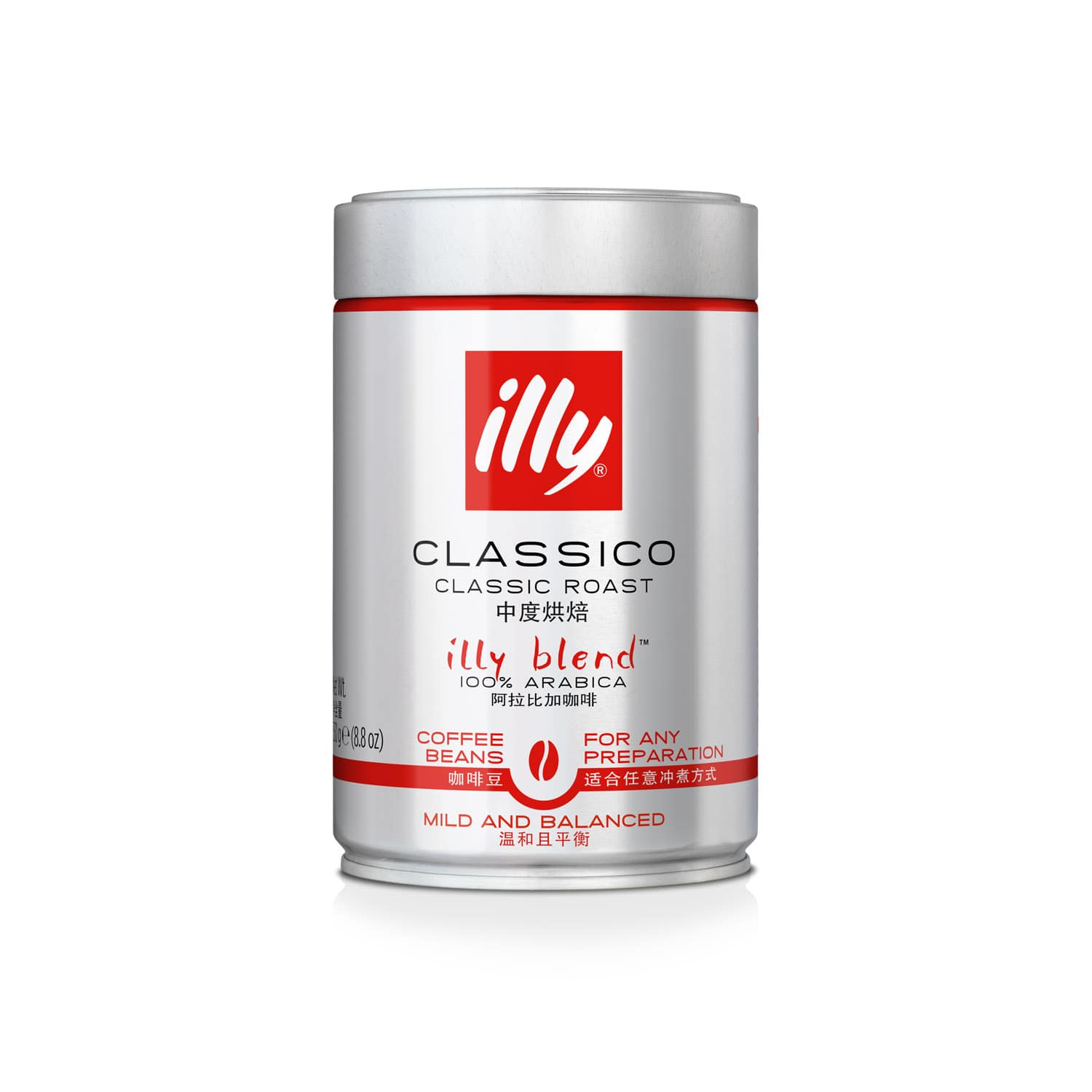
Medium roast espresso beans are the safest choice for most home espresso machines. They provide a balanced flavor profile with sweetness, body, and lower acidity.
Best for:
- Cappuccino
- Flat white
- Daily espresso drinking
- Most Sage and Delonghi machines
Dark Roast
Dark roasted coffee creates bold, intense espresso with lower acidity and more bitterness. This is the traditional Italian espresso style.
Best for:
- Strong coffee lovers
- Classic espresso taste
- Milk-based drinks
Arabica vs Robusta for Espresso
| Arabica | Robusta | |
|---|---|---|
| Flavor | Sweeter, smoother | Stronger, earthier |
| Caffeine | Lower | Higher |
| Crema | Less crema | More crema |
| Acidity | Higher | Lower |
| Best For | Specialty espresso | Strong Italian-style espresso |
Many espresso blends combine Arabica and Robusta beans to create balance between sweetness, strength, and crema.
Best Coffee Beans for Sage Espresso Machines
Sage espresso machines usually work best with medium roasted coffee beans that are freshly roasted and easy to extract consistently.
Look for coffees with:
- Chocolate notes
- Caramel sweetness
- Low to medium acidity
- Medium body
Very light roasted specialty coffee can be difficult to dial in on entry-level Sage machines because they require finer grinding and higher extraction precision.
Why Does Espresso Taste Sour?
Sour espresso is usually caused by under-extraction. This happens when water passes through the coffee too quickly and doesn’t extract enough sweetness.
Common reasons include:
- Grind size is too coarse
- Water temperature is too low
- Coffee beans are too light roasted
- Shot time is too short
- Not enough coffee in the portafilter
If your espresso tastes sharp, acidic, or thin, try grinding finer and increasing extraction time.
Fresh vs Old Coffee Beans
Fresh coffee beans are one of the biggest factors in espresso quality.
For best results:
- Use coffee within 2–6 weeks after roasting
- Avoid coffee without a roast date
- Store beans away from heat, moisture, and sunlight
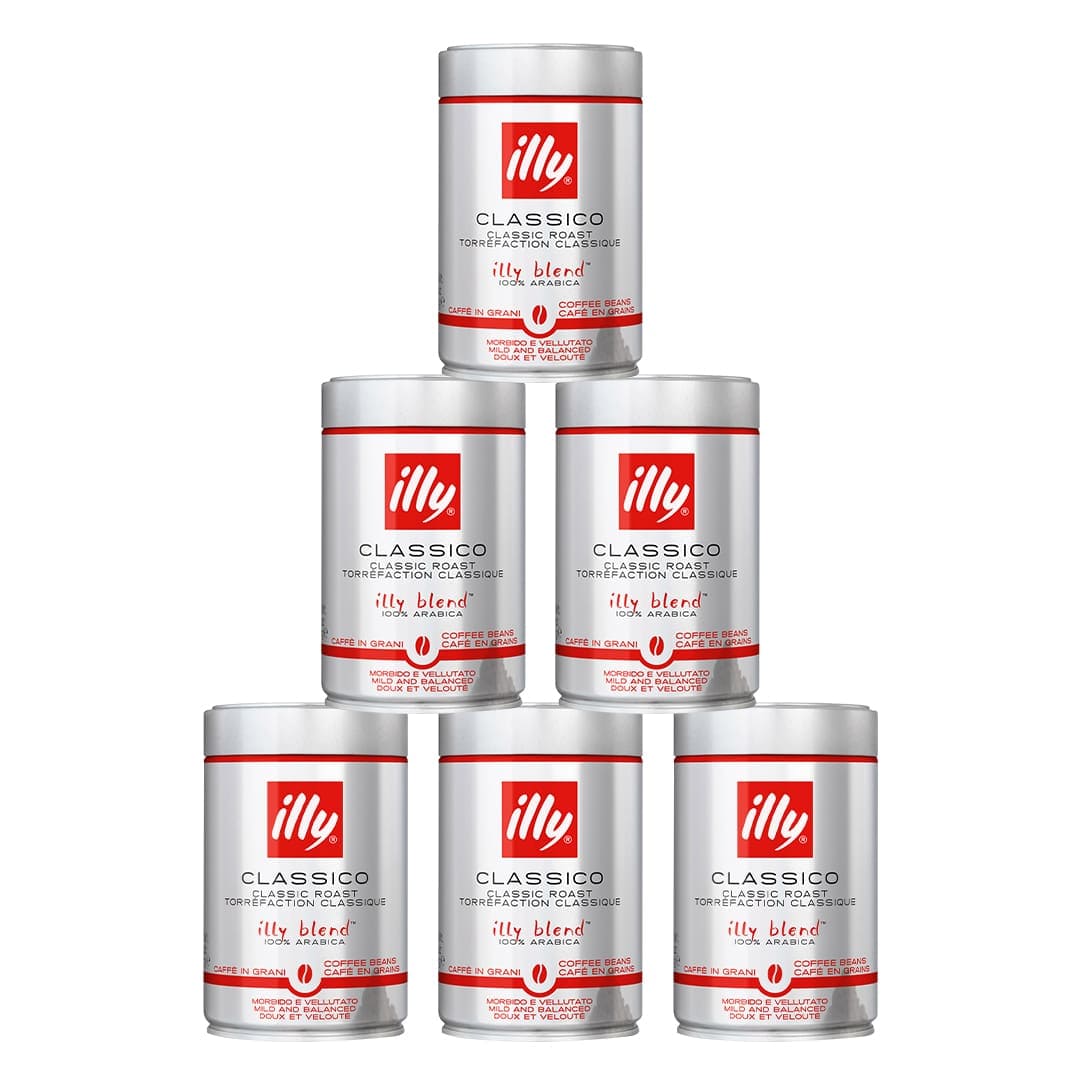
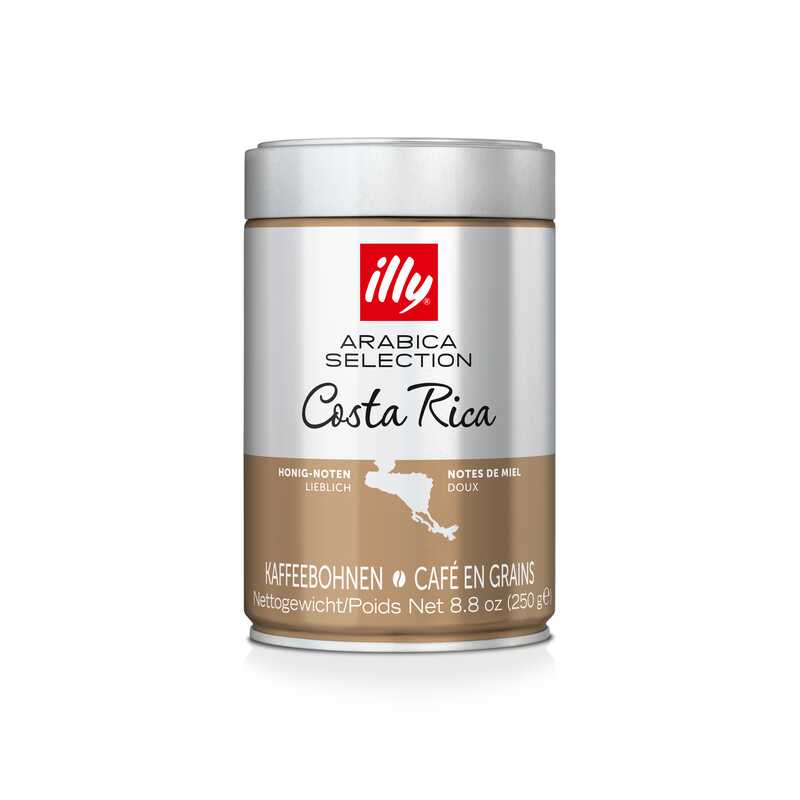
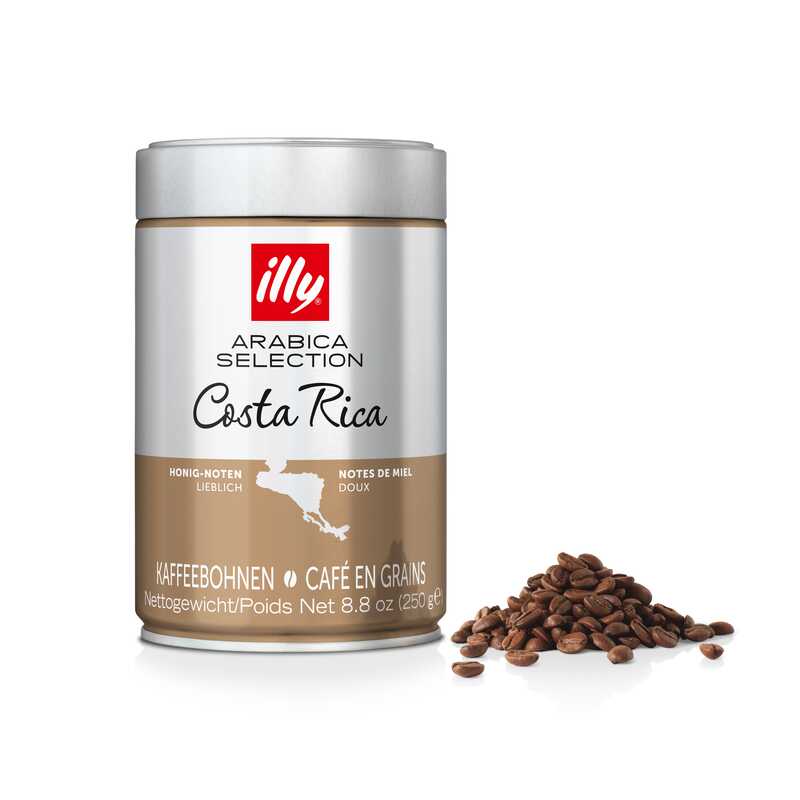
Old coffee beans lose aroma, sweetness, and crema, making espresso taste flat and lifeless. This is why illy invented 250g packaging for home use, instead of 1 kg packs which always loose aromas before you have consumed whole pack. Remember, coffee freshness is king.
How to Store Espresso Beans Properly
To keep espresso beans fresh longer:
- Store them in an airtight container
- Keep them in a cool, dark place
- Avoid refrigerators and freezers for daily use
- Buy smaller amounts more frequently
Freshly ground coffee always produces better espresso than pre-ground coffee.
Frequently Asked Questions
Are dark roast beans better for espresso?
Dark roast beans are traditional for espresso because they produce lower acidity and stronger flavour. However, medium roast beans are often more balanced for home espresso machines.
Can you use any coffee beans for espresso?
Technically yes, but espresso works best with beans specifically roasted for espresso extraction.
What coffee beans are best for cappuccino?
Medium roasted beans with chocolate and caramel notes work best because they pair naturally with milk.
Is Arabica or Robusta stronger?
Robusta contains more caffeine and usually tastes stronger and more bitter than Arabica.
How fresh should espresso beans be?
For the best flavour and crema, espresso beans should ideally be used within 2–6 weeks after roasting.
The best coffee beans for espresso depend on your taste preferences, espresso machine, and brewing style. For most home baristas, medium roasted espresso blends provide the easiest path to balanced, sweet, and consistent espresso.
If you are just starting out, focus on:
- Freshly roasted beans
- Medium roast profiles
- Consistent grinder settings
- Proper espresso extraction time
Once you understand the basics, you can start experimenting with lighter specialty roasts, single origins, and different espresso styles.