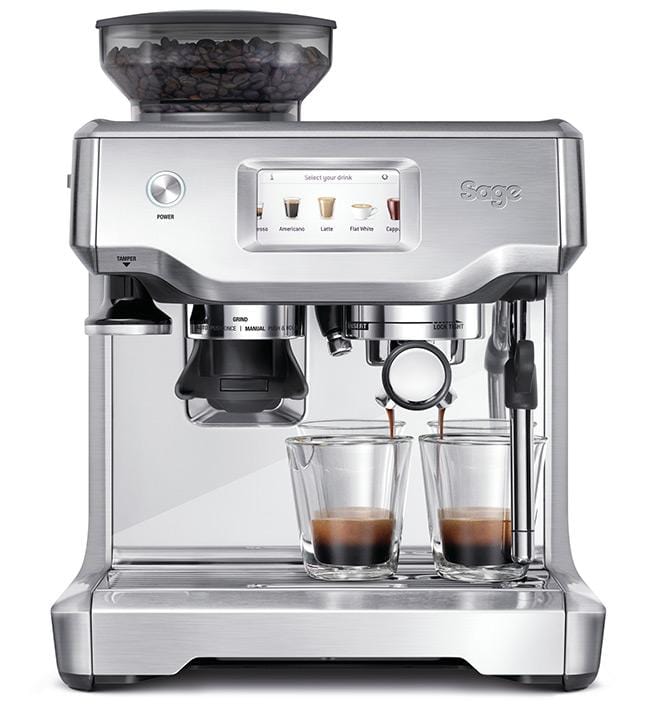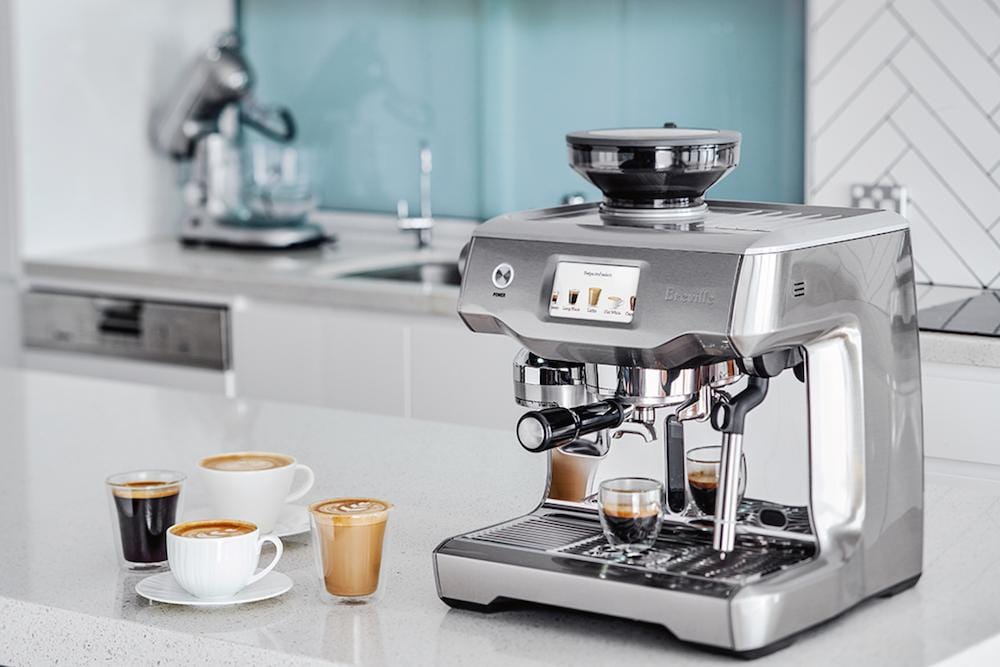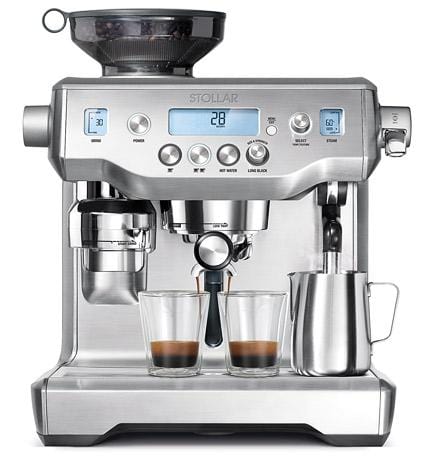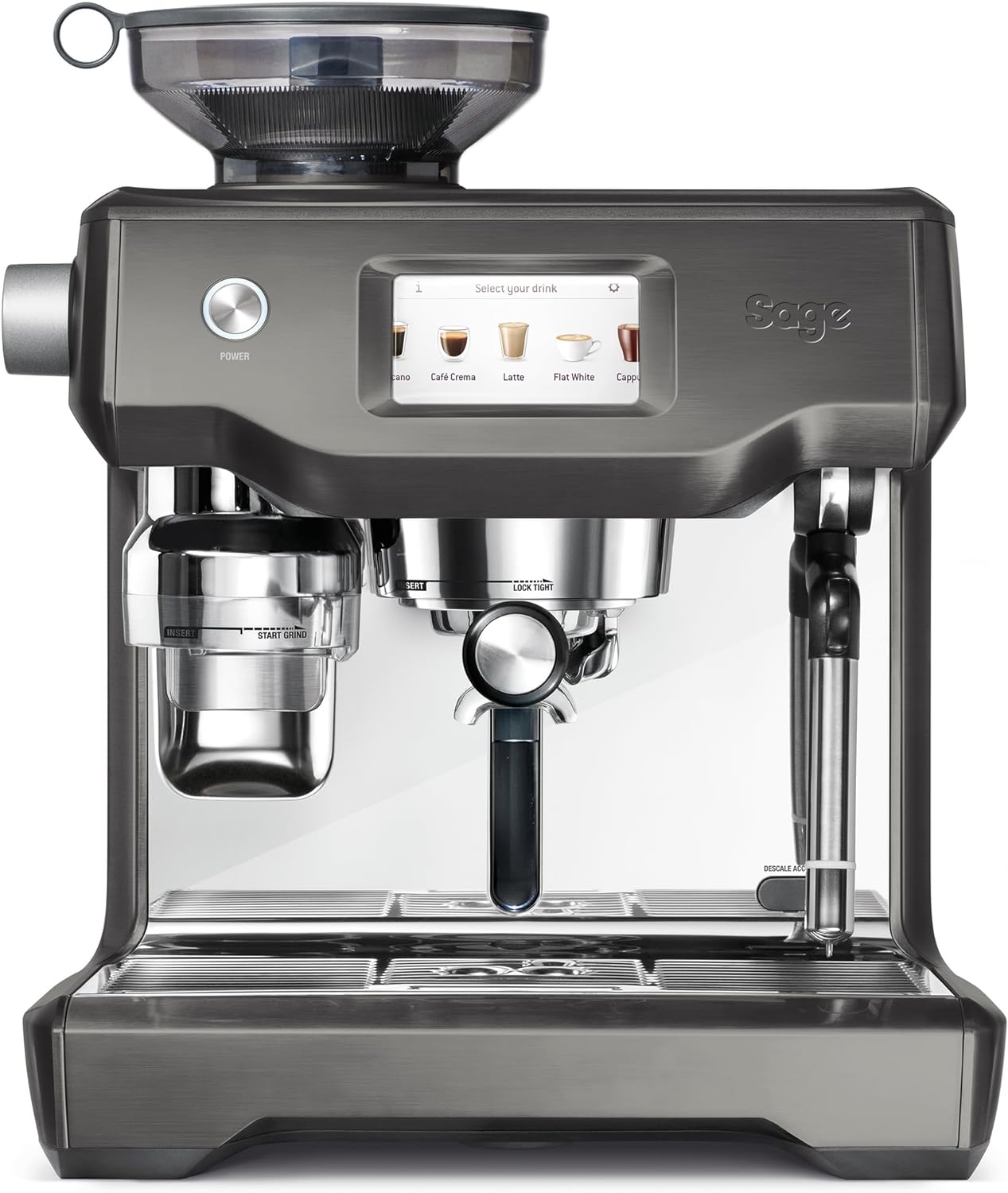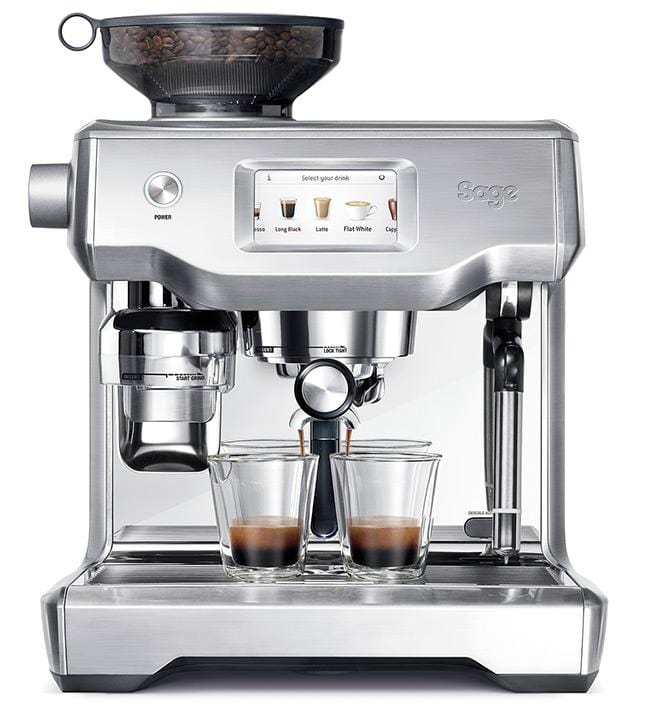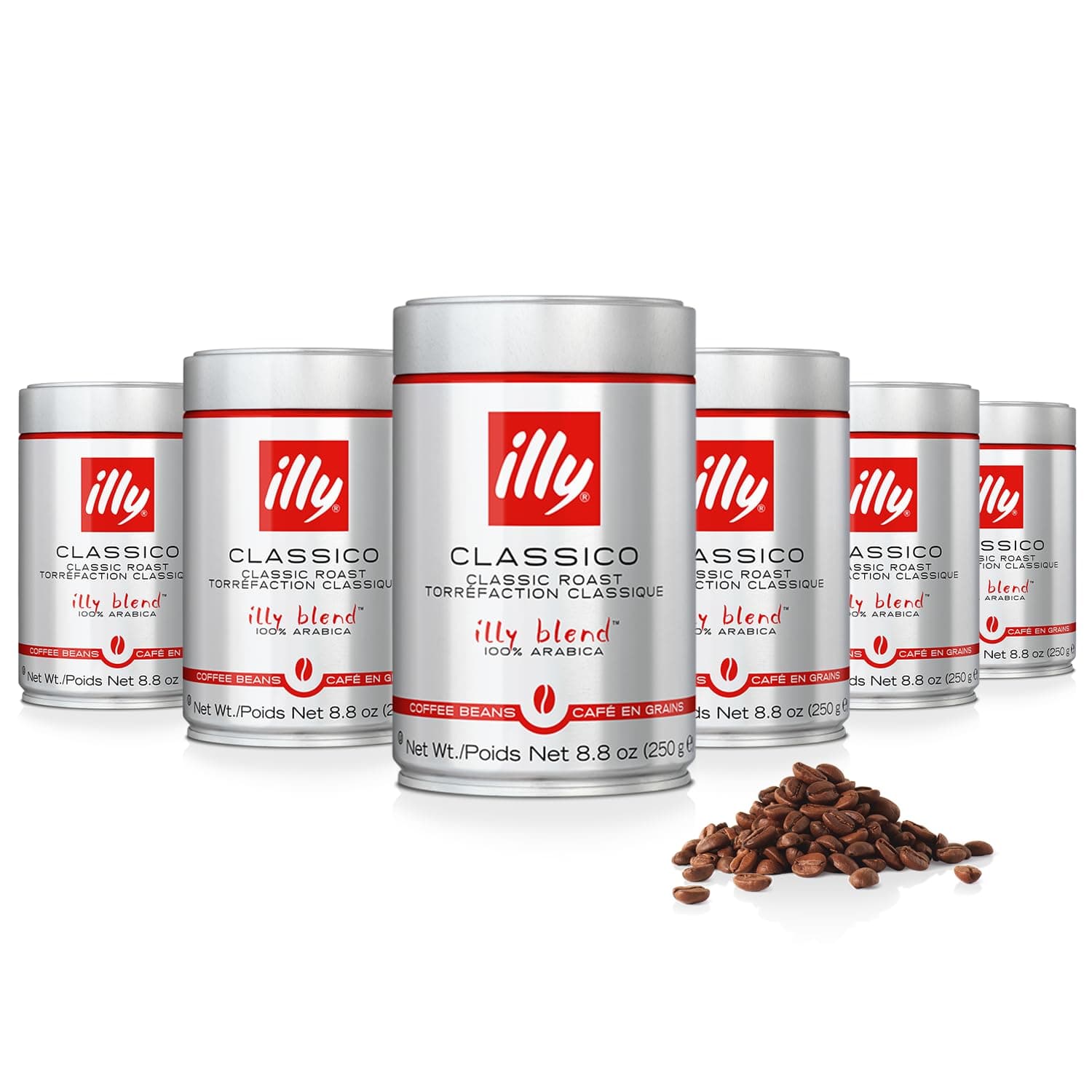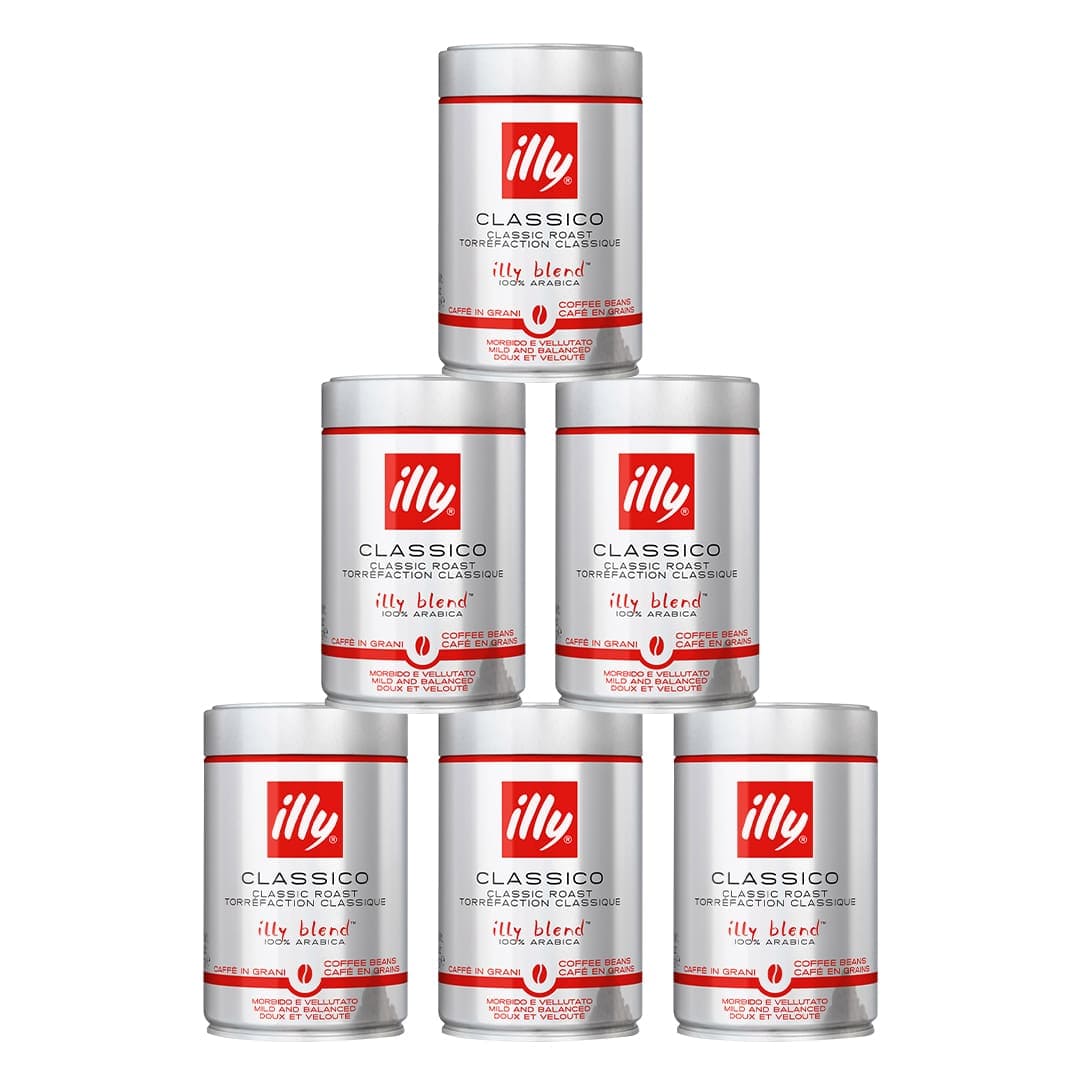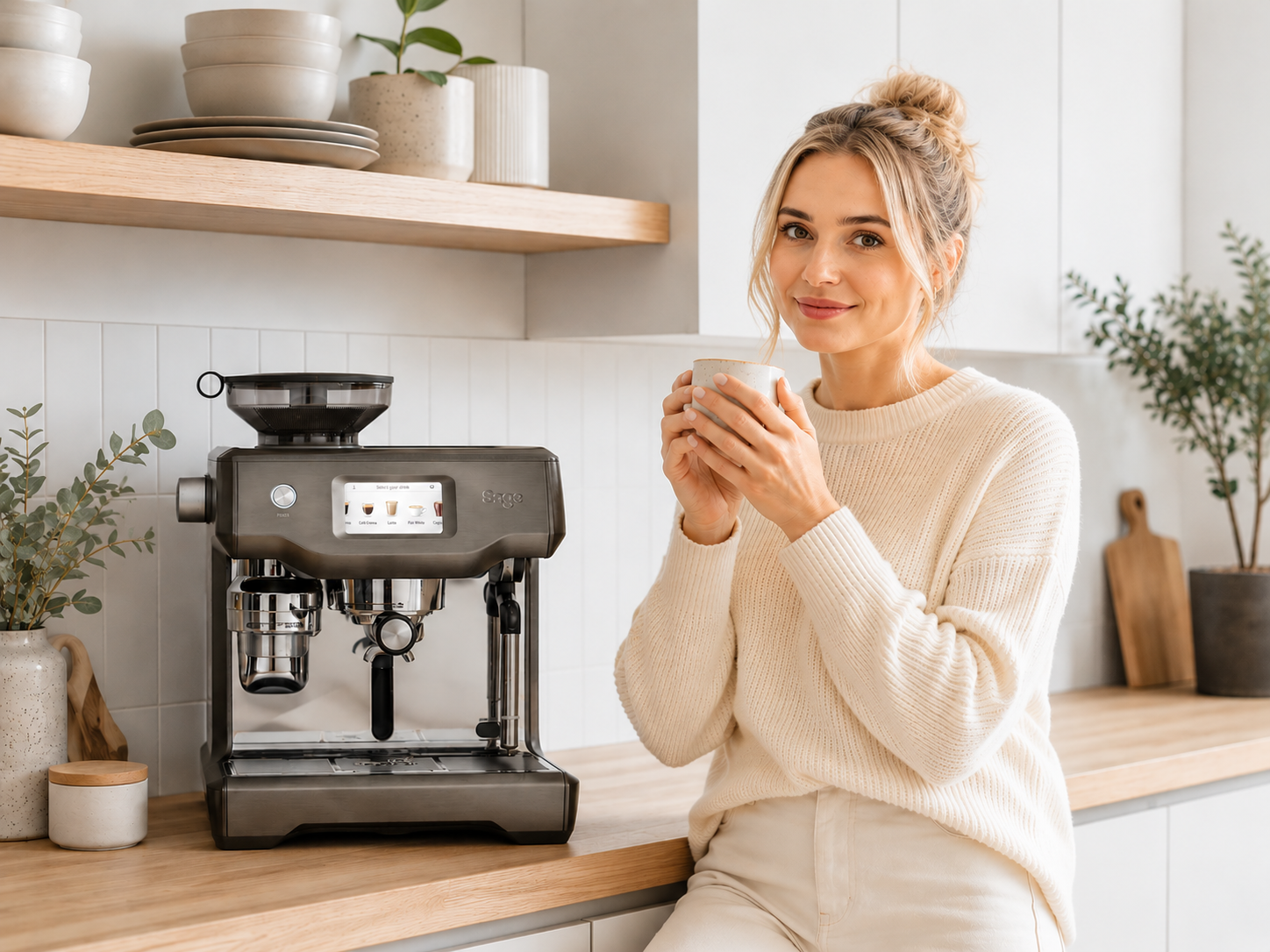
Sage espresso machines are among the most popular home espresso setups for coffee lovers who want café-quality coffee at home. But even the best espresso machine cannot produce great coffee without the right beans.
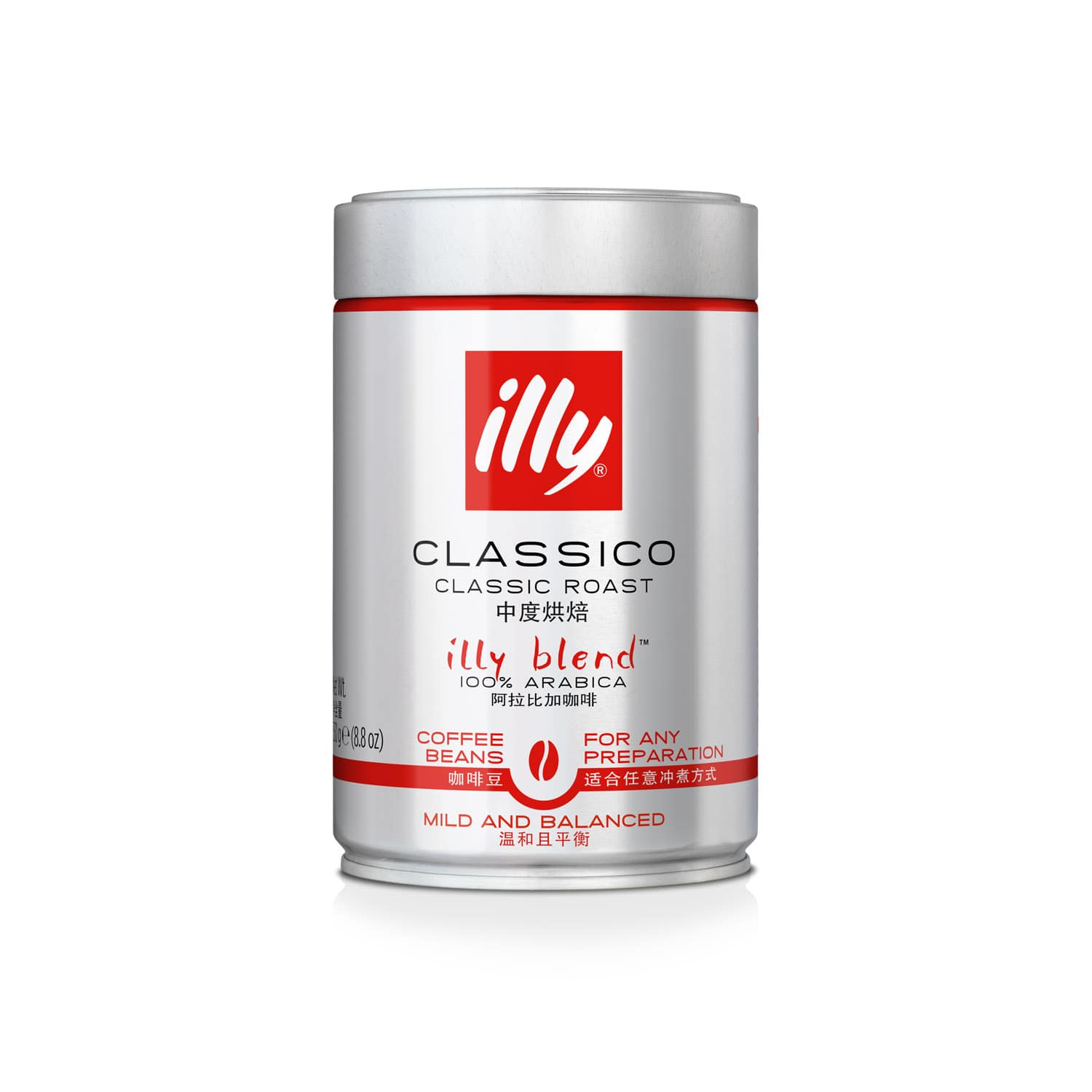
The best coffee beans for Sage espresso machines are usually medium roasted, freshly roasted, and balanced enough to create sweetness, body, and consistent espresso extraction.
If you use machines like the Sage Barista Express, Barista Pro, Bambino, or Oracle, choosing the right coffee can dramatically improve crema, flavor, and milk drinks like cappuccino or latte.
In this guide, we’ll explain which coffee beans work best with Sage machines, what roast levels to choose, and the most common mistakes home baristas make.
Quick Answer: What Coffee Beans Work Best in Sage Machines?
For most Sage espresso machines, medium roasted espresso blends offer the best balance of flavour, sweetness, crema, and easy extraction.
Look for coffee beans with:
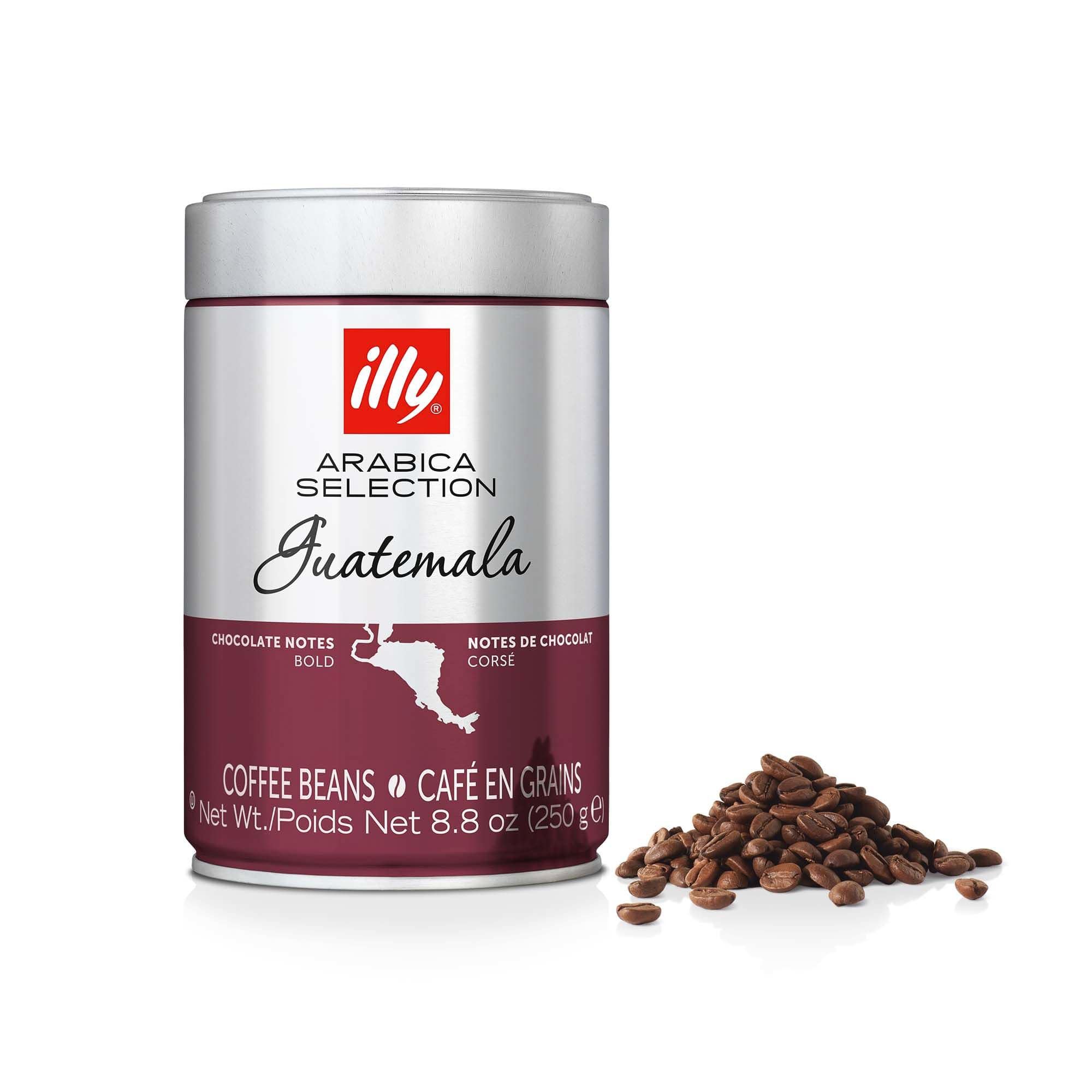
- Chocolate tasting notes
- Caramel sweetness
- Nutty flavor profiles
- Low to medium acidity
- Fresh roast dates
If you mainly drink cappuccino or latte, medium roasted espresso blends are usually the easiest and most forgiving option.
Why Sage Machines Prefer Medium Roasted Coffee
Sage espresso machines are designed to give home baristas strong temperature control and precise extraction. However, very light roasted coffee can still be difficult to dial in, especially on entry-level machines.
Medium roasted coffee beans are usually easier to extract because they:
- Require less aggressive grinder settings
- Produce more sweetness and body
- Create better crema
- Work better with milk drinks
- Offer more forgiving extraction
This is why medium roast espresso blends are often the safest choice for Sage Barista Express and Sage Bambino users.
Best Roast Levels for Sage Espresso Machines
| Roast Level | Flavor Profile | Difficulty Level | Best For |
|---|---|---|---|
| Light Roast | Fruity, acidic, floral | High | Experienced home baristas |
| Medium Roast | Balanced, sweet, smooth | Easy | Most Sage users |
| Dark Roast | Strong, bold, bitter | Easy | Italian-style espresso lovers |
Best Coffee Beans for Cappuccino and Latte
If you mainly prepare milk drinks, choose coffee beans with:
- Chocolate notes
- Caramel sweetness
- Brown sugar flavors
- Medium body
- Low acidity
These flavor profiles blend naturally with milk and create smoother cappuccino and latte drinks.
Very fruity light roasted coffee can sometimes taste too acidic or sharp when combined with milk.
Best Coffee Beans for Black Espresso
If you prefer drinking espresso without milk, you can experiment more with lighter roasted specialty coffee.
Many Sage owners enjoy:
- Single-origin espresso
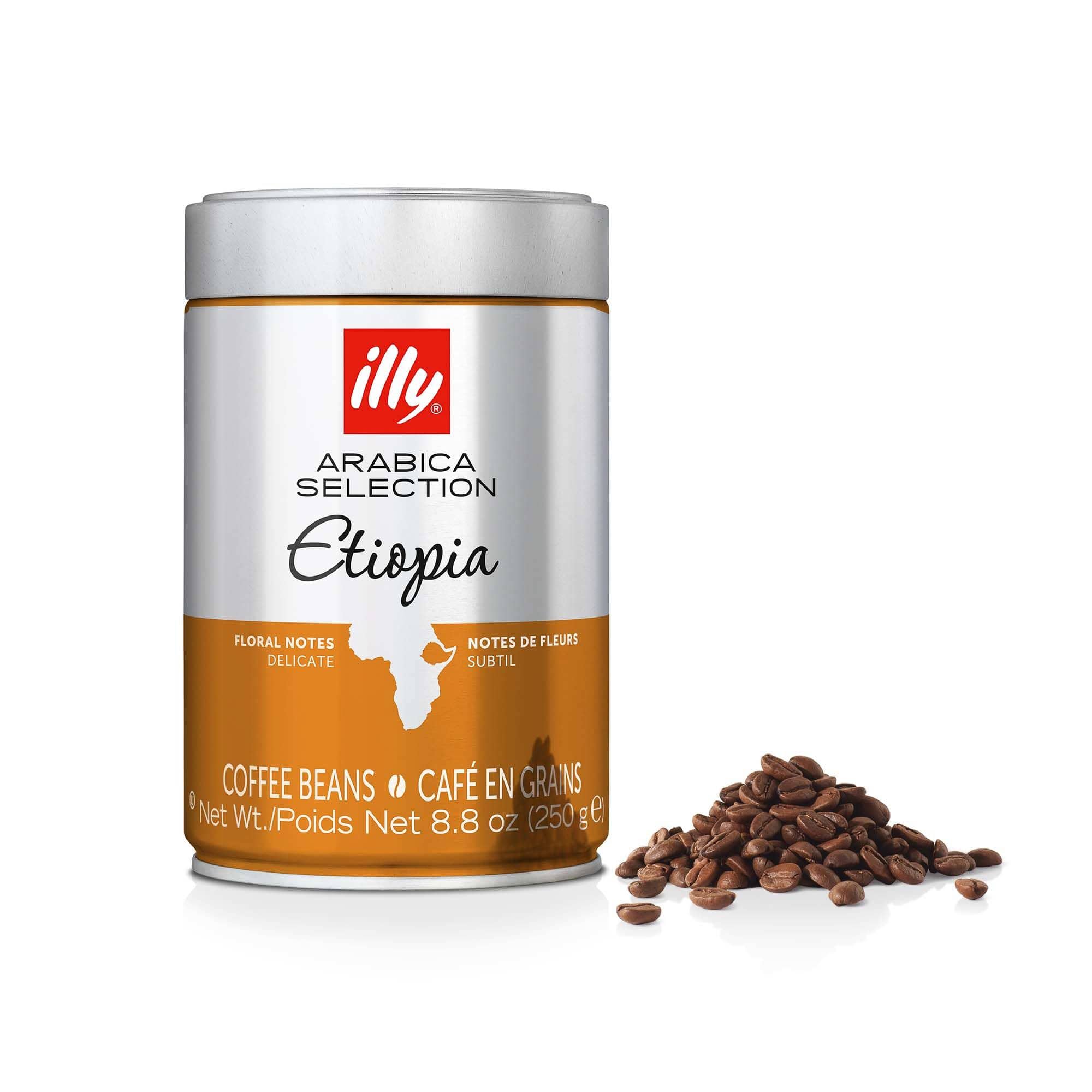
- Fruity Ethiopian coffee
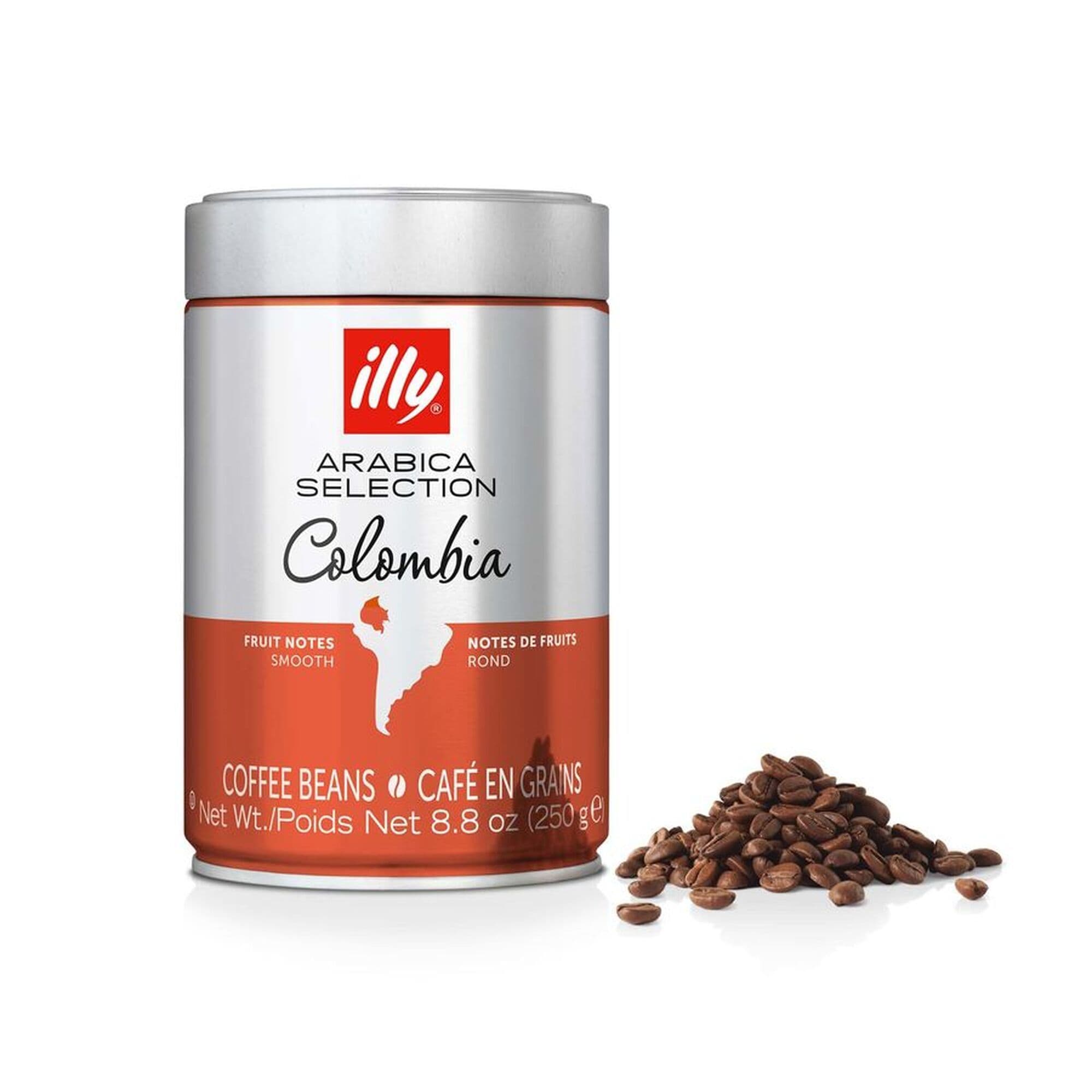
- Sweet Colombian coffee
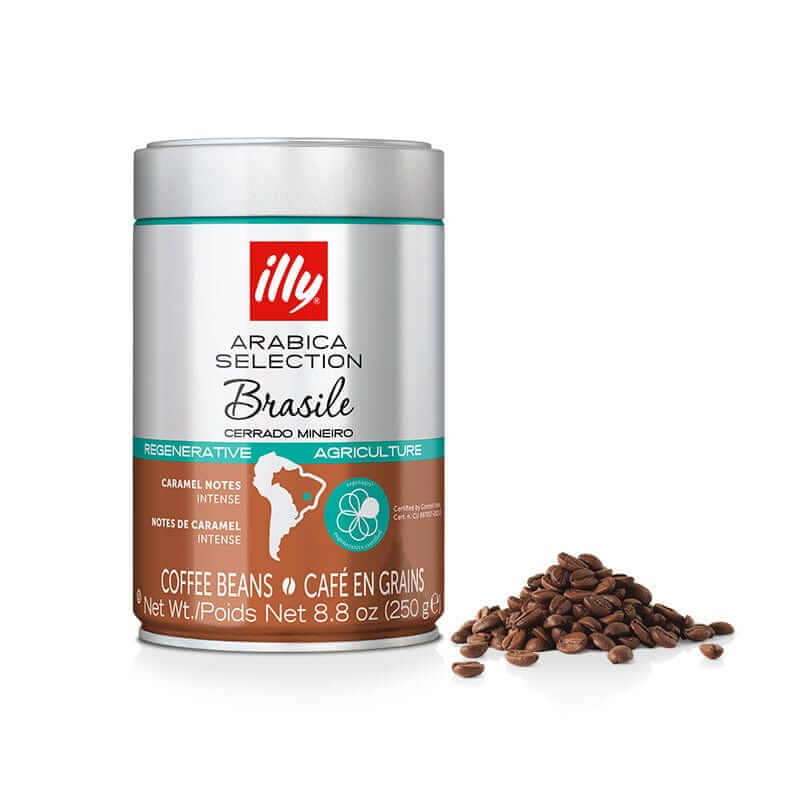
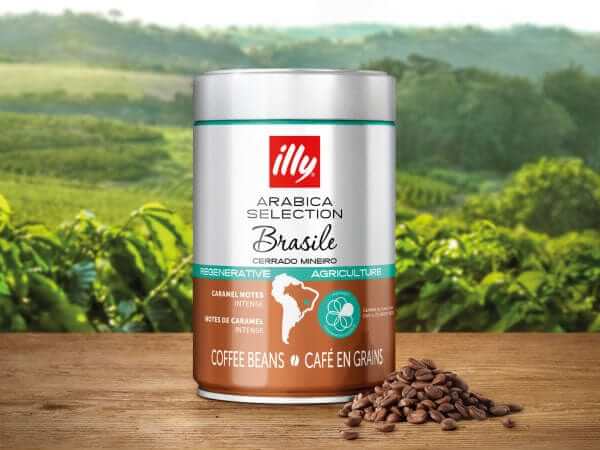
- Nutty Brazilian espresso blends
However, lighter roasts usually require:
- Finer grinder settings
- Longer extraction times
- More precise puck preparation
Common Mistakes When Choosing Coffee for Sage Machines
Using Old Coffee Beans
One of the biggest mistakes is using stale supermarket coffee without a roast date. Fresh coffee dramatically improves crema and flavor.
For best results, use coffee within 2–6 weeks after roasting.
Choosing Extremely Oily Beans
Very dark oily coffee beans can create grinder buildup and inconsistent extraction inside some Sage grinders.
Medium-dark espresso blends are usually a safer long-term choice.
Buying Ultra-Light Specialty Coffee as a Beginner
Light roasted coffee can taste amazing, but it is often difficult for beginners to dial in correctly.
If your espresso tastes sour or weak, your coffee may simply be too light roasted for your current setup.
Why Fresh Coffee Matters
Fresh coffee is essential for good espresso.
Freshly roasted beans produce:
- Better crema
- More aroma
- Sweeter flavor
- More stable extraction
Old coffee loses gas and flavoir compounds over time, making espresso taste flat and lifeless.
Best Grinder Settings for Sage Espresso Machines
Every coffee requires slightly different grinder settings, but most Sage machines perform best when espresso extraction takes around 25–30 seconds.
If espresso flows too quickly:
- Grind finer
- Increase coffee dose slightly
If espresso flows too slowly:
- Grind coarser
- Reduce coffee dose slightly
Small grinder adjustments can make a huge difference in espresso flavor.
Frequently Asked Questions
What coffee beans are best for Sage Barista Express?
Medium roasted espresso blends with chocolate and caramel notes are usually the easiest and most balanced option.
Can Sage machines use light roast coffee?
Yes, but light roast coffee often requires finer grinding and more precise extraction control.
Should I use oily coffee beans in Sage grinders?
Very oily dark roast beans are not ideal because they can create buildup inside grinders over time.
How fresh should coffee beans be for Sage machines?
For best results, coffee beans should ideally be used within 2–6 weeks after roasting.
What coffee works best for cappuccino?
Medium roasted espresso blends with chocolate and nutty notes usually pair best with milk.
Final Thoughts
The best coffee beans for Sage espresso machines are freshly roasted, balanced, and easy to extract consistently at home.
For most users, medium roasted espresso blends offer the best combination of sweetness, crema, body, and reliability.
Once you become more comfortable with grinder settings and espresso extraction, you can start experimenting with lighter specialty coffee and single-origin espresso beans.