Sour espresso is one of the most common problems for home baristas. If your espresso tastes sharp, acidic, thin, or unpleasantly citrusy, the issue is usually under-extraction.
Under-extracted espresso happens when water passes through the coffee too quickly and fails to extract enough sweetness and balance from the coffee grounds.
The good news is that sour espresso is usually easy to fix once you understand the most common causes.
In this guide, we’ll explain why espresso tastes sour, how extraction affects flavor, and the easiest ways to improve espresso at home.
Quick Answer: Why Is My Espresso Sour?
Espresso usually tastes sour because it is under-extracted.
The most common reasons are:
- Grind size is too coarse
- Extraction time is too short
- Water temperature is too low
- Coffee is too lightly roasted
- Not enough coffee is used in the portafilter
In most cases, grinding finer and increasing extraction time will improve espresso flavor immediately.
What Does Sour Espresso Taste Like?
Sour espresso often tastes:
- Sharp
- Acidic
- Thin
- Salty
- Unbalanced
- Watery
Instead of sweetness and body, sour espresso usually feels aggressive and unfinished.
Many beginners confuse sourness with bitterness, but they are very different extraction problems.
The Most Common Cause: Under-Extraction
Espresso extraction is the process of dissolving flavors from coffee grounds using hot water.
When espresso is under-extracted, the water pulls out acids first but fails to extract sweetness and deeper flavor compounds.
This creates espresso that tastes sour and weak.
Under-extraction usually happens when:
- Water flows too quickly through the puck
- The grind size is too coarse
- The shot time is too short
How to Fix Sour Espresso
1. Grind Finer
This is the most effective solution for sour espresso.
Finer coffee grounds slow down water flow and increase extraction.
If your espresso shot runs in less than 20–25 seconds, your grind is probably too coarse.
2. Increase Extraction Time
Most espresso shots should extract in around 25–30 seconds.
If extraction is too fast, espresso will often taste acidic and thin.
Try slightly finer grinder settings or a larger coffee dose.
3. Use Fresher Coffee Beans
Old coffee beans can produce flat and inconsistent espresso.
For best results, use coffee within 2–6 weeks after roasting.
Fresh coffee creates better crema, sweetness, and balance.
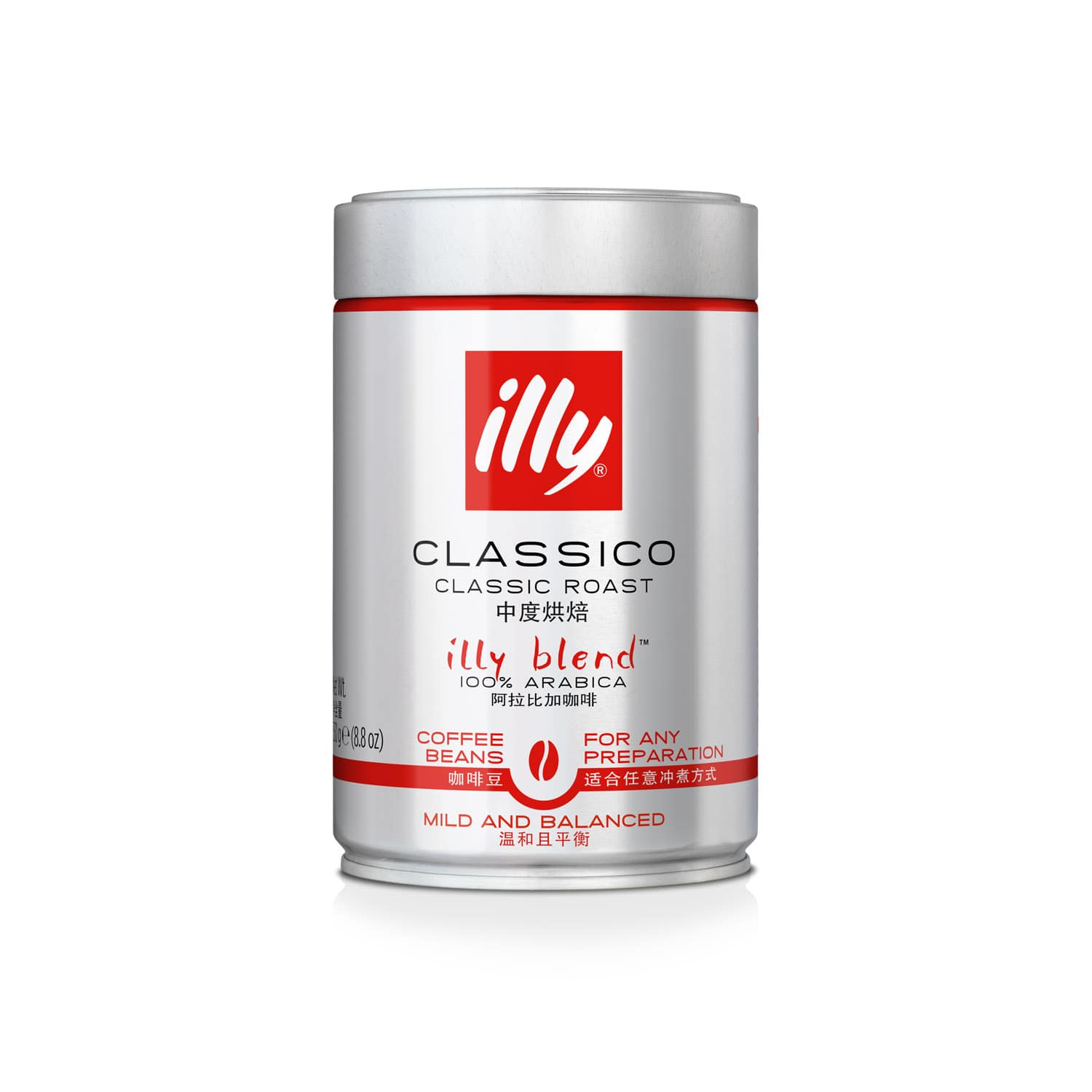
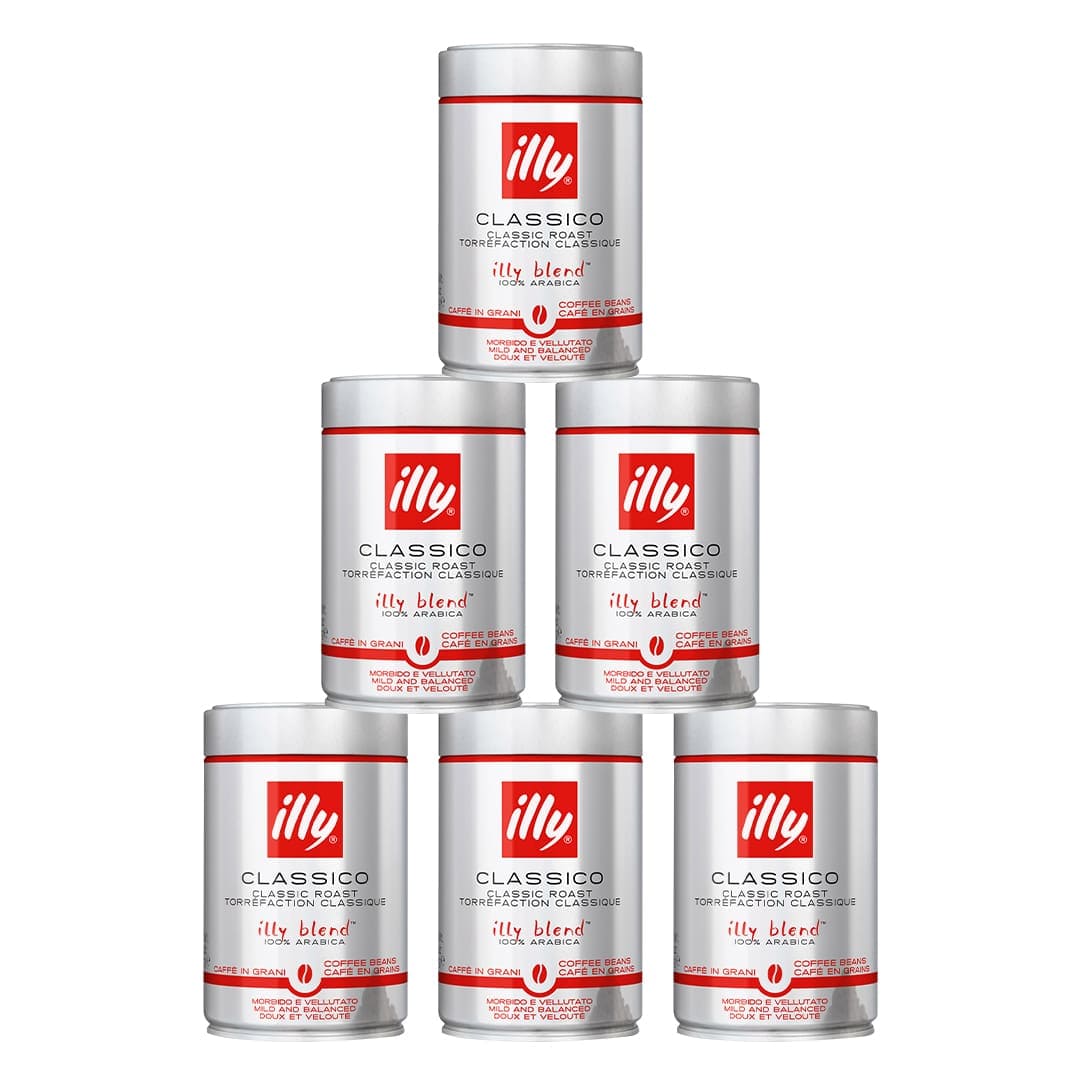
4. Choose Medium Roasted Coffee
Very light roasted coffee beans naturally contain more acidity and are harder to extract properly.
If you are a beginner, medium roasted espresso blends are usually easier to work with.
They produce sweeter and more balanced espresso with less risk of sourness.
5. Check Water Temperature
If brew temperature is too low, espresso may taste sour because extraction is incomplete.
Most espresso machines perform best around 90–96°C (195–205°F).
Can Coffee Beans Cause Sour Espresso?
Yes. Some coffee beans naturally produce more acidity than others.
Light roasted specialty coffee often has:
- Citrus notes
- Berry flavours
- Higher acidity
This is intentional and popular in modern specialty coffee.
However, these coffees can taste unpleasantly sour if extraction is not properly dialed in.
Why Sage Espresso Machines Sometimes Produce Sour Shots
Sage espresso machines are excellent for home baristas, but beginners often use grinder settings that are too coarse.
This causes water to flow too quickly through the coffee puck.
If your Sage espresso tastes sour:
- Grind finer
- Increase extraction time
- Use fresher coffee
- Try medium roasted espresso beans
Sour vs Bitter Espresso
| Sour Espresso | Bitter Espresso |
|---|---|
| Under-extracted | Over-extracted |
| Sharp acidity | Dry bitterness |
| Thin body | Heavy body |
| Fast extraction | Slow extraction |
| Needs finer grind | Needs coarser grind |
Frequently Asked Questions
Why does my espresso taste acidic?
Espresso usually tastes acidic because it is under-extracted or made with very light roasted coffee beans.
How do I make espresso less sour?
Try grinding finer, increasing extraction time, and using medium roasted coffee beans.
Can fresh coffee taste sour?
Yes. Fresh coffee can still taste sour if grinder settings or extraction are incorrect.
What espresso roast is easiest for beginners?
Medium roasted espresso blends are usually the easiest to dial in and produce balanced flavour.
Should espresso taste acidic?
Some acidity is normal, especially in specialty coffee, but espresso should still taste balanced and sweet.
Final Thoughts
Sour espresso is usually caused by under-extraction, but small adjustments can make a huge difference.
For most home baristas, the easiest fixes are:
- Grinding finer
- Increasing shot time
- Using fresher coffee beans
- Choosing medium roasted espresso coffee
Once your extraction is balanced, espresso becomes sweeter, smoother, and much more enjoyable.